
Stopping Glass from Cracking: The Secret is in the IR
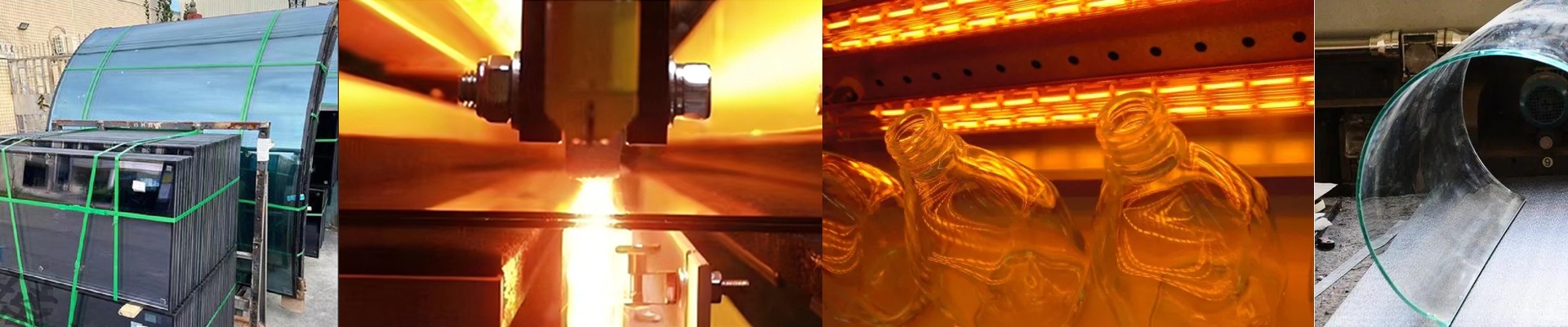
Ever seen a piece of glass just… shatter? It’s frustrating. Usually, it happens because the temperature shift was too aggressive. If you blast the surface with heat but the core stays cold, the glass can’t handle the tension. It snaps. To stop this, we use shortwave infrared (IR) lamps. The trick isn’t just adding heat—it’s about how fast you can turn that heat on and off.
Why Speed Matters
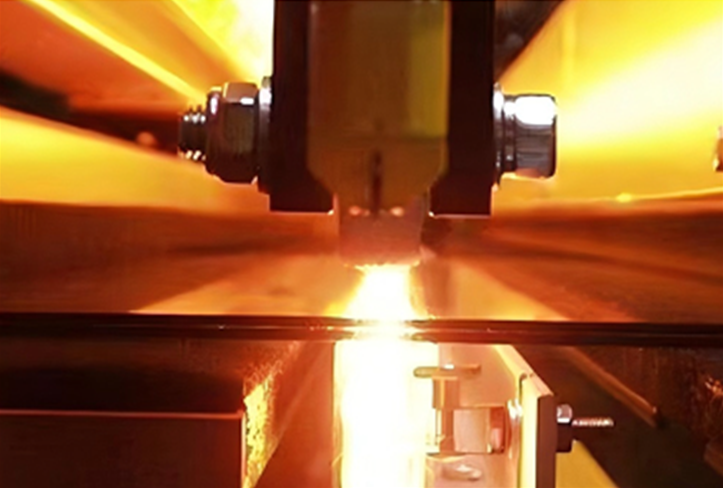
You need a heat source that doesn’t lag. Shortwave IR is perfect here because the filaments hit their peak temperature in milliseconds. It’s not like a convection oven that has to warm up the air first; this energy goes straight into the glass molecules. When we’re setting these up, we look closely at the wattage-to-length ratio. Basically, we want a lot of power in a small space so we can hit the high-stress spots exactly where they need it. We usually pair these with SCR controllers. This lets us ramp the heat up in stages. It gives the glass a chance to breathe and expand without freaking out and fracturing.
The Hardware Side of Things
We use quartz envelopes for the lamps because they let the IR light through without blocking it. But here’s a tip: if your shop is oily or dusty, you’ll want a specialized coating on that quartz. Without it, grime bakes onto the tube. That creates hot spots, and before you know it, your lamp is burnt out. Then there are the connectors—mostly R7s or Sk15. It sounds like a small detail, but in a loud, vibrating factory, a loose connection is a nightmare. It leads to arc faults. These bases keep everything tight and the power flowing steady.
The Trade-offs
Now, high-density heating is fast, but it’s hungry. You can’t just plug these into any old outlet. If you’re running a bunch of high-wattage tubes, you need heavy-duty cabling, or you’ll deal with voltage drops that mess with your consistency. And a heads-up on the heat: these lamps dump a massive amount of energy into the room. You’ve got to get your cooling fans or water-jackets right. Otherwise, you’ll stop the glass from Cracking, but you might overheat the rest of your machine.