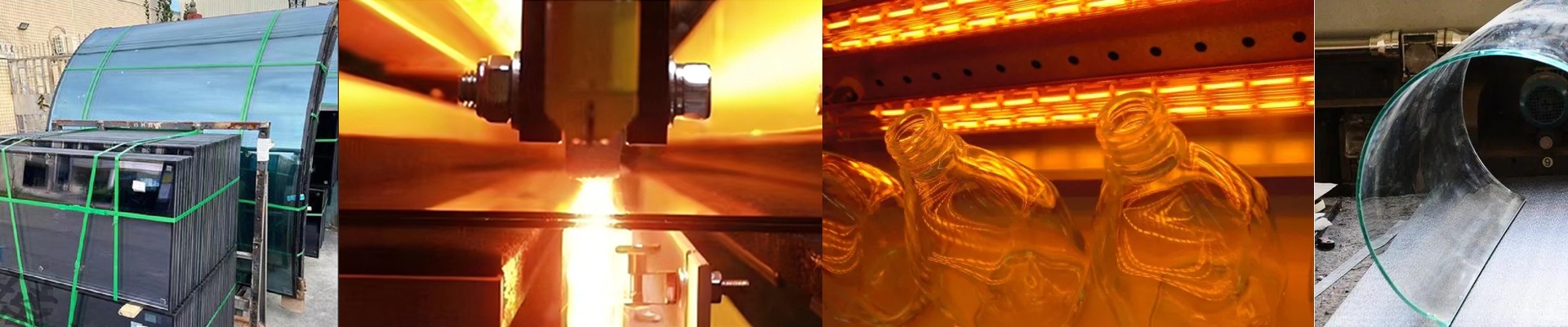
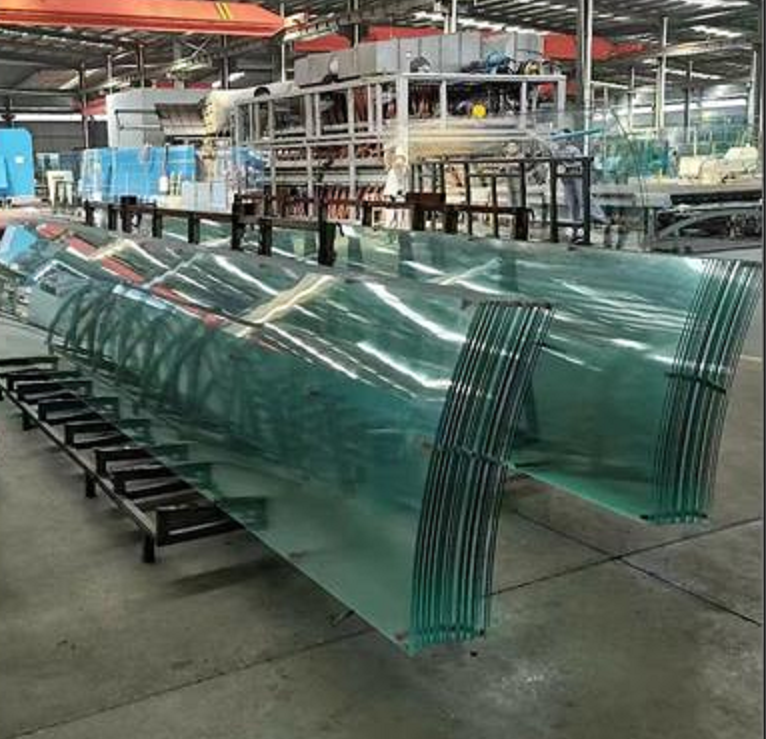
Out on the line, one cold spot on the mold and you’re staring at a sheet that hits the quench with uneven stress. Next shift? They’re scrapping it. High-temperature glass molding lamps aren’t just heat—they’re repeatable thermal tools that keep the process window tight, even when the furnace door keeps opening and closing. What actually matters We build these lamps around short-wave infrared elements in a quartz envelope. Response time beats raw temperature, period. Filament layout and reflector geometry are tuned to lay down a uniform thermal field across the mold surface, so you don’t fight hot bands or edge shadowing. Power density is matched to glass thickness and cycle time, giving you fast ramp-up without chasing the setpoint after every load. The terminal block and mounting dimensions match common OEM footprints, and the electrical interface is set up for direct replacement in existing control cabinets. Why it plays in tempering, bending, and the rest In tempering and bending, the lamp brings the mold back to temperature fast, shortens the heating phase, and keeps repeatability from run to run. In lamination prep and coating drying, controlled heat keeps warpage down and bubbles from forming, so yield holds up even when you push throughput. Energy use drops because the lamp spends less time idling and more time doing the work, and shorter cycles cut gas and electricity per piece. The payoff is fewer rejects from thermal gradients, less downtime waiting for temperature recovery, and a schedule that stays honest. What to watch for Installation is straightforward, but the lamp’s performance hinges on clean contacts, stable voltage, and proper alignment to the mold. If your machine runs a proprietary heating module, we supply an adapter harness and a drop-in mounting kit—no cutting panels or reworking brackets. One constraint: ambient airflow and reflective surfaces nearby can shift the thermal profile, so we recommend a quick recalibration after the first week to lock the setpoints to your glass and cycle.