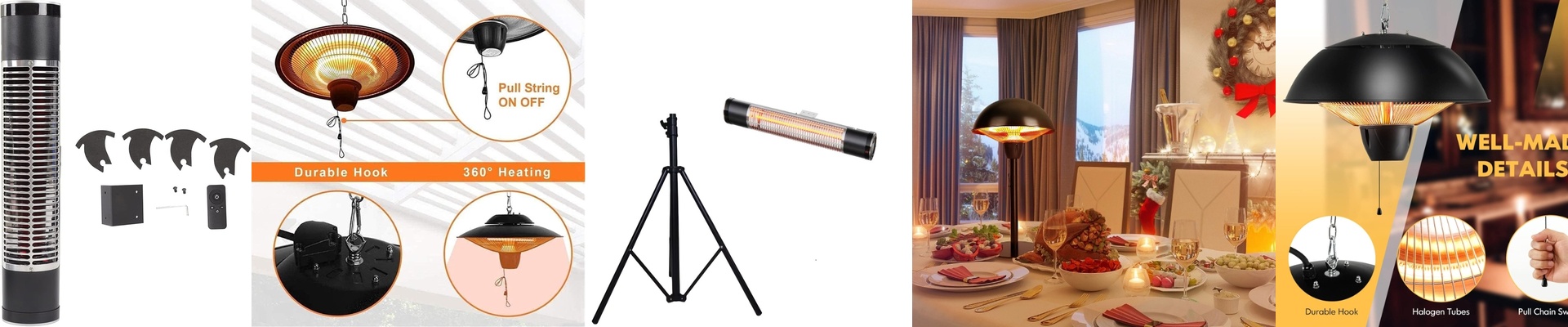
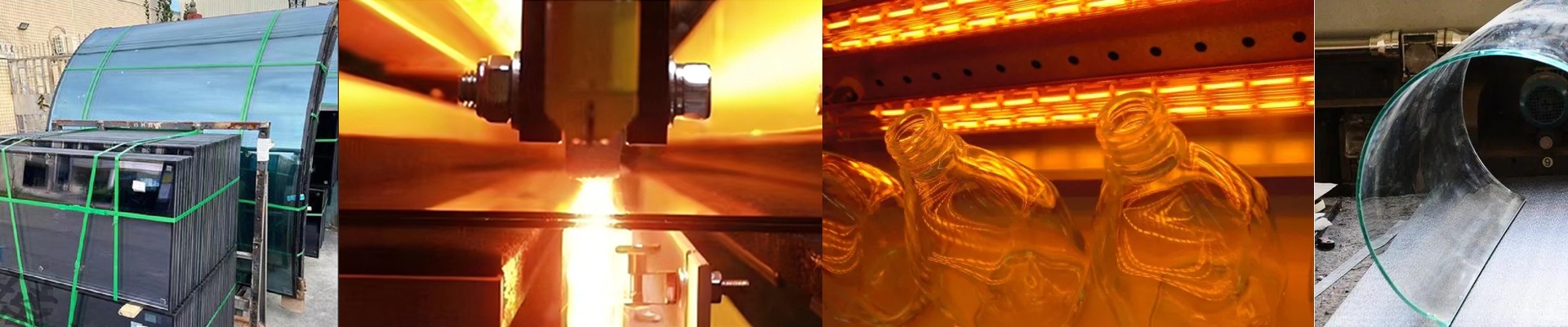
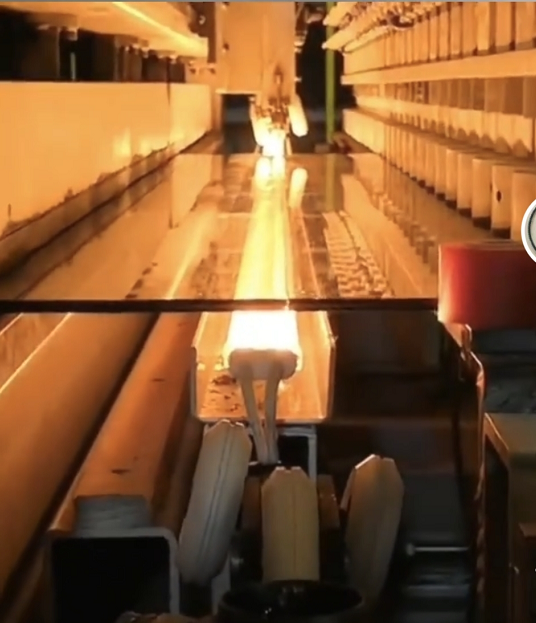
On a tempering line, the annealing zone is where you either lock in yield or spend your day chasing scrap. If the heater can’t hold a tight, uniform thermal field, you’re going to see warp, stress fractures, and optical quality that’s off spec. We built our continuous glass annealing heater for exactly that reality. What matters under the hood We run short-wave infrared quartz emitters, so you get rapid, direct radiation into the glass with minimal convection. That means fast thermal response and tight control across the whole ribbon width. The module is built for 24/7 running, with stable emissivity so setpoints don’t drift mid-campaign. Standard configs cover common line voltages and keep the footprint tight, and the emitters are set up to be swapped without tearing down the entire zone. Why it works in continuous annealing The glass is moving, and your window for controlled cooling is fixed. This heater holds the profile edge-to-edge, so thermal stress stays in check and you don’t get breakage during downstream cutting and handling. The payoff is fewer line stops, more throughput, and optical clarity that repeats. Energy use stays predictable because it hits setpoint quickly and holds it without cycling. Here’s what to keep in mind Installation comes down to matching the existing kiln or furnace geometry and confirming clearances for airflow and maintenance access. Output and temperature uniformity hinge on clean reflectors and proper emitter alignment, so lock in a routine inspection cadence. Once it’s matched to the line, the unit drops in as a direct replacement for aging heating modules, and the control interface integrates with your existing PLC logic for stable, repeatable annealing.