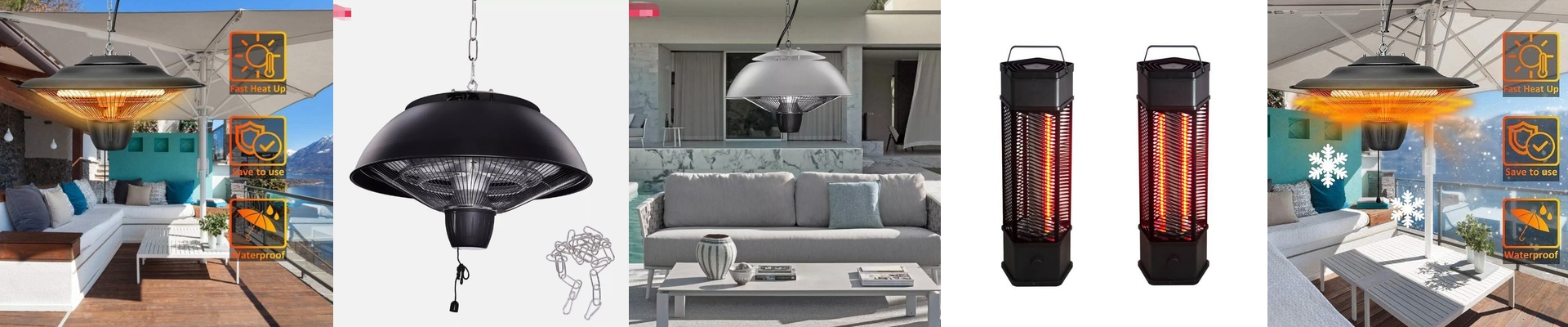



The wind knifes through the trees, and the temperature drops fast. You reach for a heater, bracing for that familiar wait—the cold minutes while the unit spools up. With a camping electric heater built on infrared radiant heat, that wait vanishes. Warmth hits almost the instant you flip the switch, because the element is built for a quick thermal response.
What matters, technically
Infrared camping heaters work because they heat objects and people directly, not the air around them. Inside, a carbon fiber or quartz element comes up to temperature fast, delivering short-wave or medium-wave infrared warmth. In practice, you feel heat within seconds, not the minutes you get with convection heaters. Many models run on 120V AC and are sized for compact spaces, with output options that fit tents, screened shelters, and small campsites. Look for built-in thermostat control to keep comfort steady, plus safety features like tip-over protection and overheat protection. A sealed housing and an IP rating help the heater shrug off dew and light drizzle, while a stable base and carry handle make setup straightforward.
Why it fits the camping realities
On a trip, time and comfort are tied together. A heater that reacts quickly keeps you from sitting through a long, chilly warm-up, and it helps hold temperature when the wind shifts. Because infrared warmth targets bodies, clothing, and gear, you feel cozy before the air itself warms up. That direct heating also means you lose less heat to drafts, so you can stay comfortable without running the heater wide open all the time. The payoff is fewer interruptions, easier evenings, and a more dependable way to enjoy the outdoors when the weather turns.
The practical details you can’t skip
Infrared camping heaters are built for open-air and well-ventilated shelters, not fully sealed tents. Always match the wattage to your power source and cord capacity, and keep the heater at a safe distance from fabrics and sleeping bags. For extended use, check the unit’s moisture protection level and give it a dry place to sit when it’s not running.