
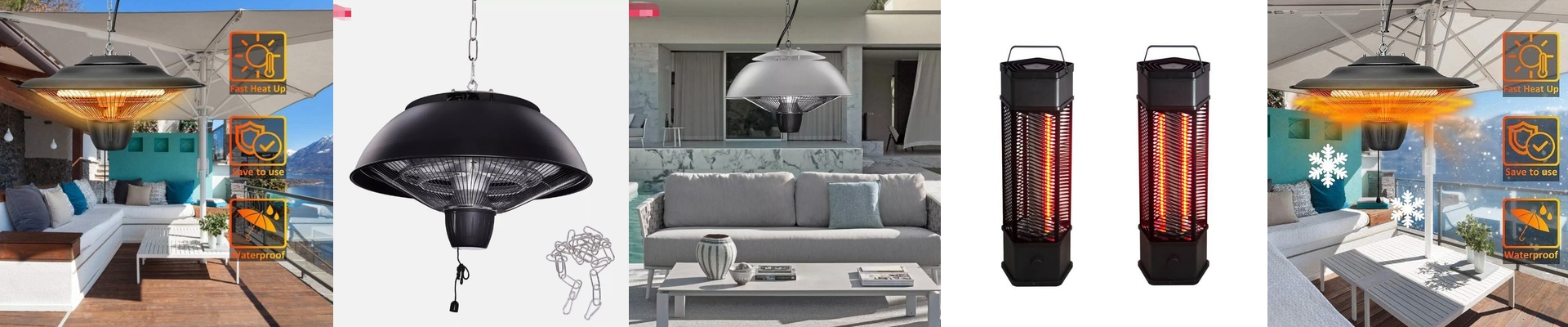
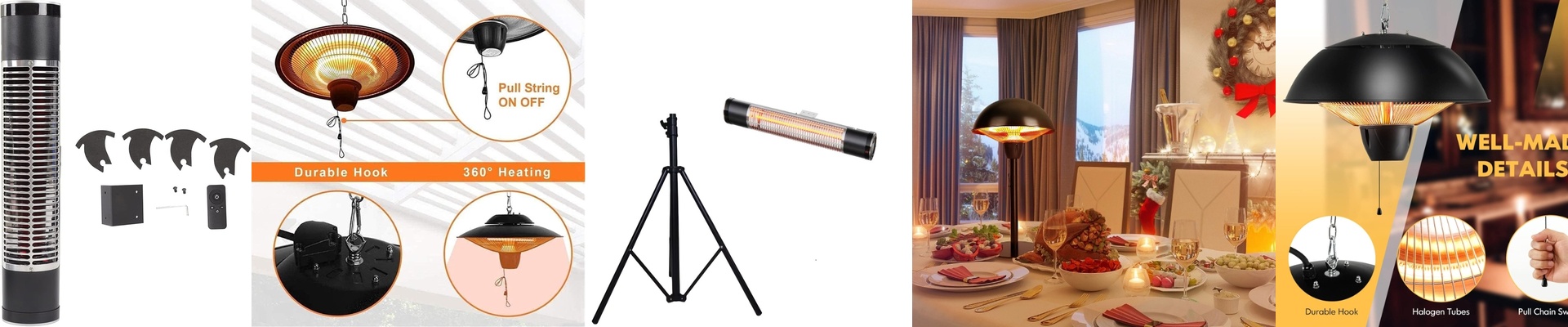
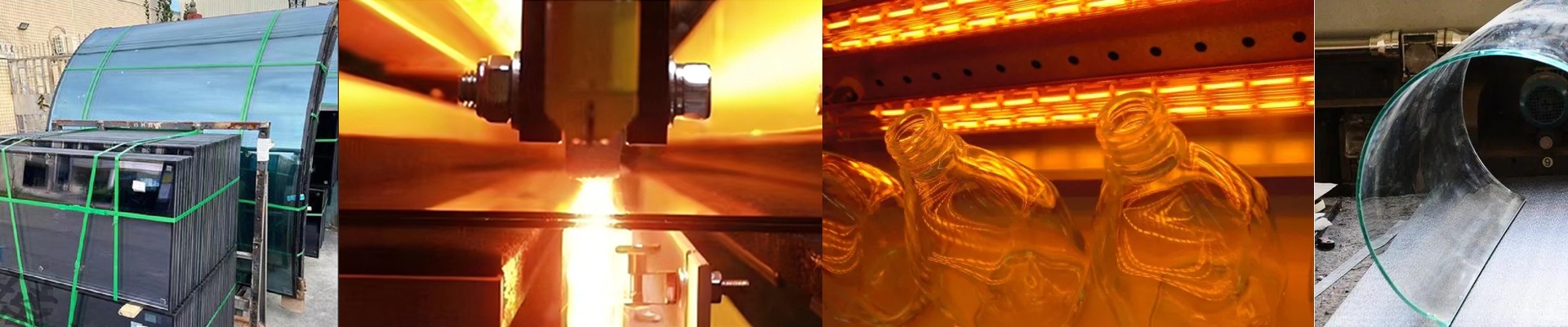
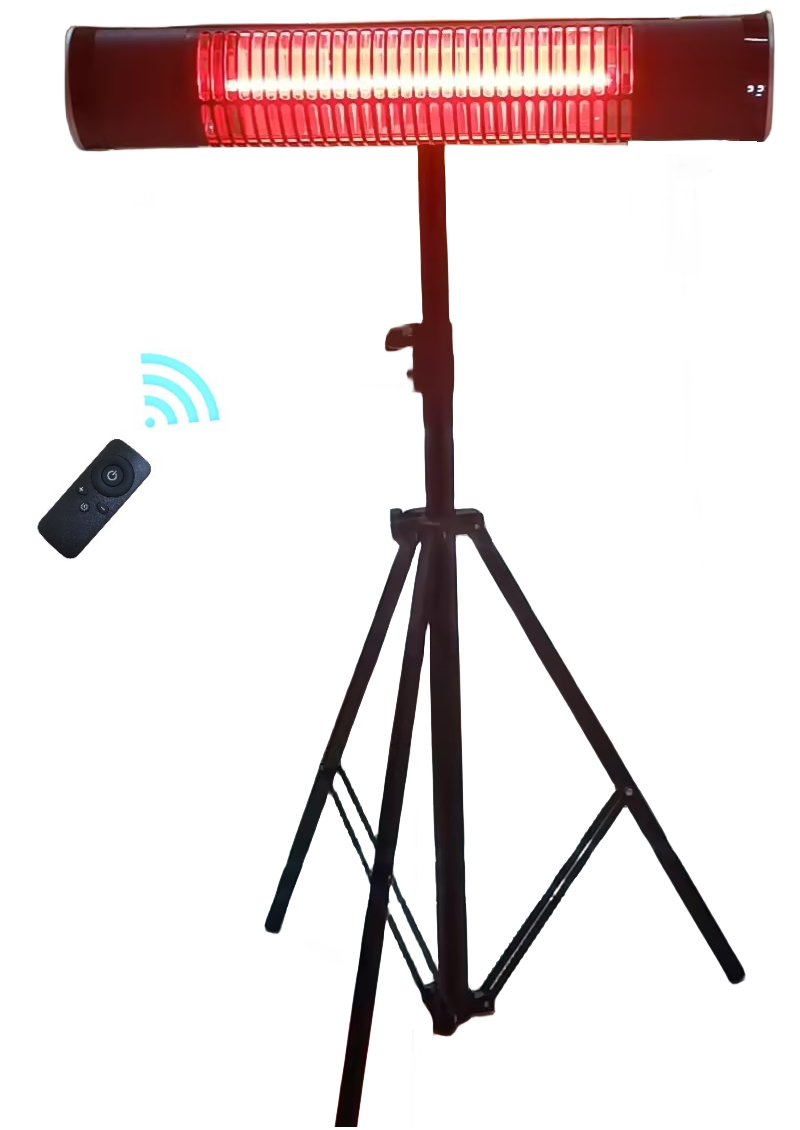
On a breezy evening, you flip on the patio heater and expect steady warmth. Then the unit goes quiet. More often than not, the heating element is fine—the failure point is the lead where heat meets wiring. High heat dries and cracks the seals over time, and once moisture gets in, you’re on a fast track to shorts. We built our infrared heaters around one simple goal: stop failures at the connection. What matters under the hood We run an infrared heating tube with a high-temperature, compression-molded lead seal. It locks the live wire into the ceramic end cap with a continuous, void-free bond, so there’s no air gap to feed oxidation. The tube runs on standard 120V or 240V circuits and delivers focused radiant heat that warms people and furniture directly, not the air. Inside, a thermal cutoff and tip-over protection cut power if the unit overheats or gets knocked over. Up front, you get a steel safety grille, and the enclosure carries an IP rating for outdoor use. Outdoor living is about confidence. With a sealed lead, you get consistent starts season after season, even with temperature swings, wind, and humidity doing their thing. Radiant heat feels immediate—no waiting around for the air to warm up—so you can sit through dinner on the patio without the chill creeping in. Because the warmth is directed where you need it, you can stay comfortable without cranking the thermostat for the whole yard. That translates to steadier comfort and a lower running draw compared to trying to heat large volumes of air. A few field notes. Match the heater to a dedicated outlet and a properly sized circuit, and keep the unit at least three feet from combustible materials. The seal is built to stand up to heat and moisture, but it still needs a stable mounting surface—use the included hardware on a level deck or patio, and avoid loose or uneven placement. If you’re in a salt-air area, a quick rinse with fresh water after storms helps preserve the finish and keeps the connections reliable.