

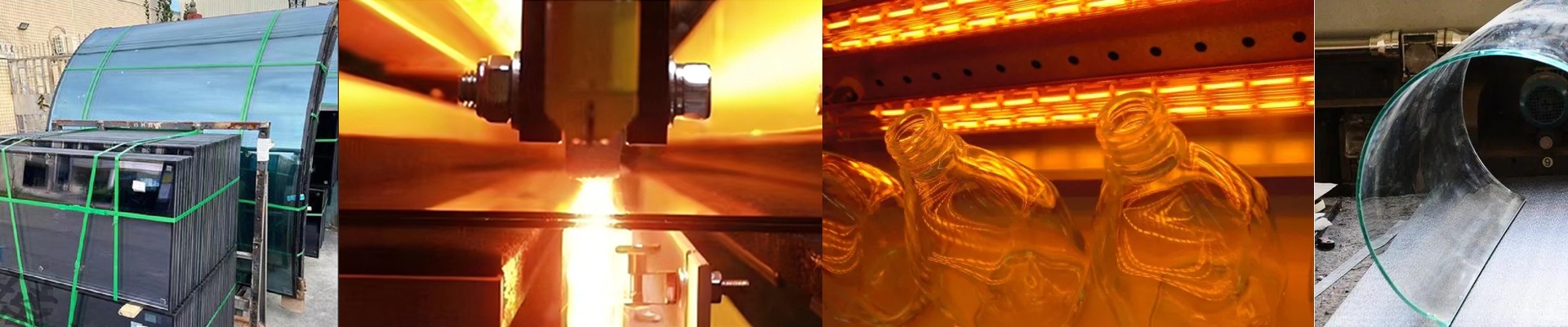
On the line, a heater fault rarely screams “failure.” More often, it shows up as off-spec temper, wavy bends, or lamination cycles that drag. When the power cable runs hot, voltage sags, or the termination gives up, you lose control of the thermal profile—and the glass shows it immediately. We built this cable for industrial heaters in glass processing so uptime stays steady and heat delivery stays predictable. What matters under the hood This is a power cable engineered for heating duty: high current with low-resistance conductors, insulation rated for continuous high temperature right next to heater zones, and terminations that survive thermal cycling. The construction keeps voltage drop down under load, so the heater gets stable power and heating rates stay repeatable. Shielding and strain relief cut down on interference and mechanical fatigue—two usual suspects behind intermittent faults that show up as temperature swings during tempering, bending, or coating drying. Why this works in glass Glass work needs heat that’s stable, fast, and uniform. In tempering, stable current keeps quench timing tight and optical quality consistent. In bending, predictable heater output reduces thermal lag and prevents localized overheating that can drive stress fractures. In lamination and coating drying, the cable’s thermal stability helps even out the zone, so you’re not constantly chasing edge-to-center differences. The payoff is fewer scrap sheets, fewer line stoppages, and less wasted energy from resistive losses. Field notes for install and run Installation is straightforward, but heat paths are tight. Keep the cable clear of moving conveyors and hot air exhaust, and maintain a good bend radius at terminations to avoid fatigue. For glass machinery brands, we supply matched connector options and routing guidance so you can drop it in without modifying mounting points. Plan a short calibration run after install—confirm heater power, check temperature uniformity, and log the new baseline before you bring the line back up to full speed.