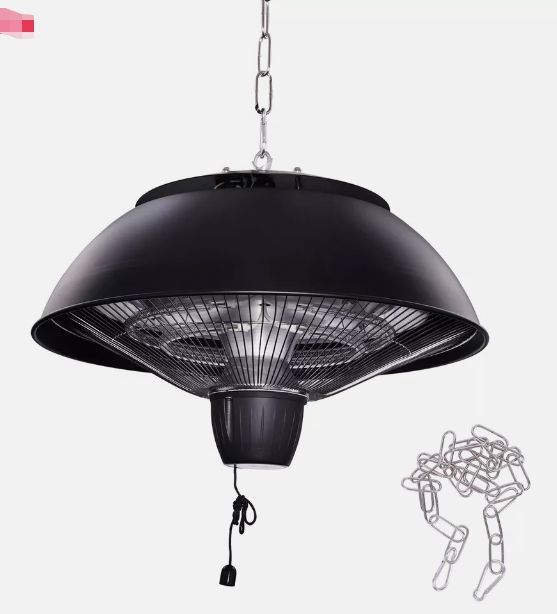
From a chilly morning at the coffee bar to a wind-cut train platform, comfort isn’t a perk—it’s a working requirement. When it’s missing, guests don’t stick around, staff move stiffly, and the whole space feels off. A cubicle heater delivers infrared warmth right where people stand, turning short stops into comfortable moments.
What’s actually going on under the hood
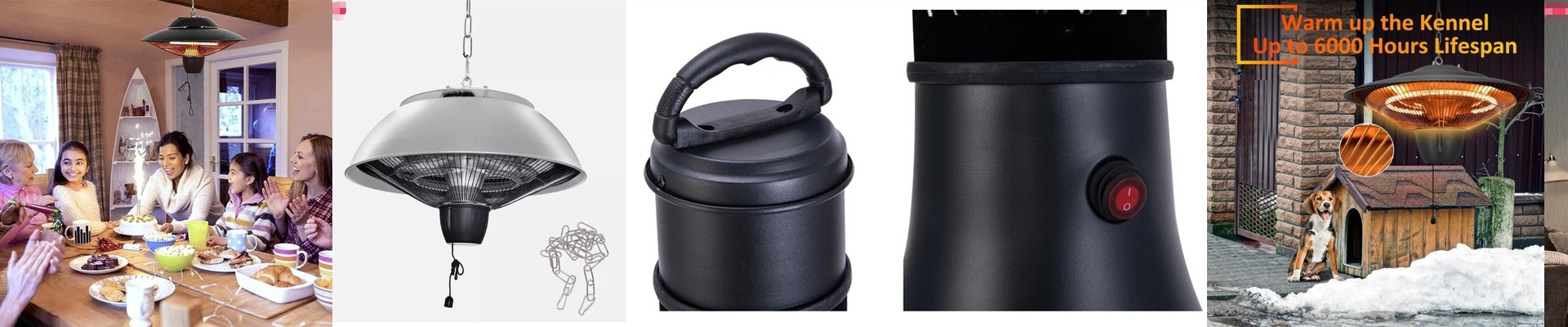
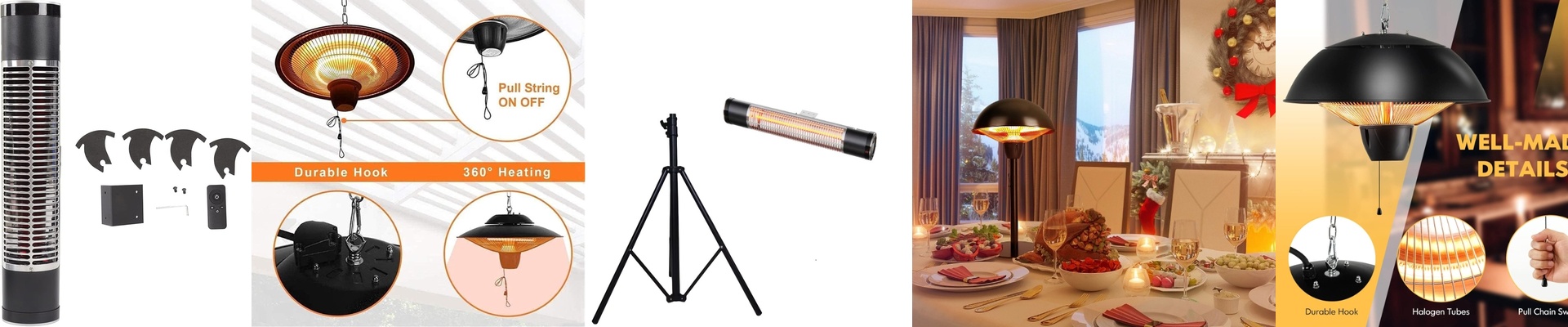
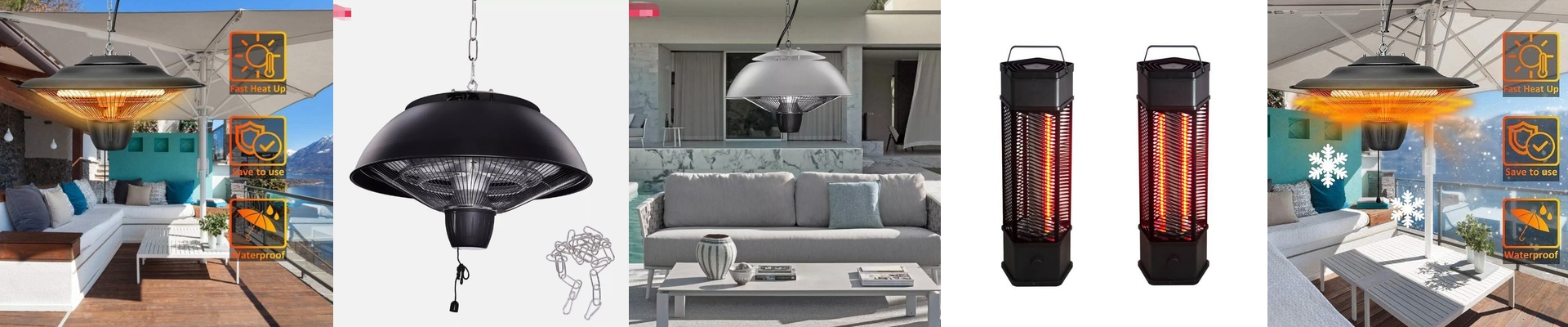
We build these around radiant heat, not forced air. A quartz tube or carbon fiber element throws short-wave infrared that travels outward and heats people and surfaces directly. You feel it within seconds, not after waiting for the air to warm. Units run on standard 120V or 240V outlets, pulling 1,500W to 3,000W, with a focused beam that covers a 3- to 8-square-meter area. A built-in thermostat keeps output steady, and tip-over protection cuts power if the heater gets knocked over. If you’re running in outdoor or drafty spots, look for an IP rating that blocks dust and water.
Why this makes sense in the real world
In cafés, train stations, and other high-traffic hubs, the point is quick, targeted warmth without trying to heat the entire building. Infrared warms the body, not the ceiling, so you’re not wasting energy. Patrons stay comfortable while they wait, and staff can work with relaxed hands. The heat hits the moment the switch is flipped, so there’s no idle time. With fewer moving parts and no forced air, the unit runs quietly and stays out of the way—keeping the vibe calm and the air clean.
What you need to get right
Placement matters. Keep the heater 1–2 meters from people, angle it to avoid glare, and make sure it stays clear of curtains, signage, and anything combustible. Indoors, keep ventilation adequate. Outdoors, confirm the IP rating matches the exposure, and route the cord so it’s not getting run over. These heaters warm people directly, so the ambient air a few feet away can still feel cool. For bigger areas, it’s usually more effective to run several units than to rely on one high-wattage model.