
Getting Your Bathroom Heating Just Right
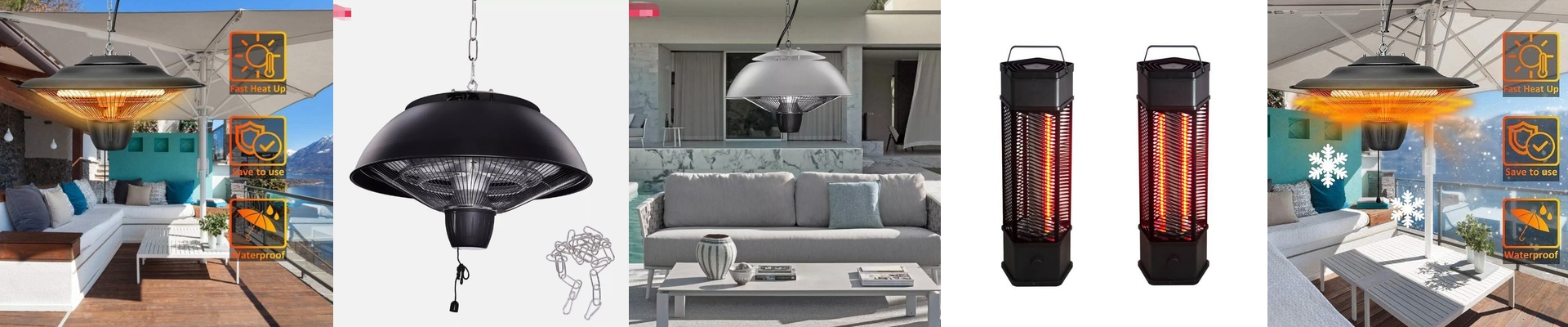
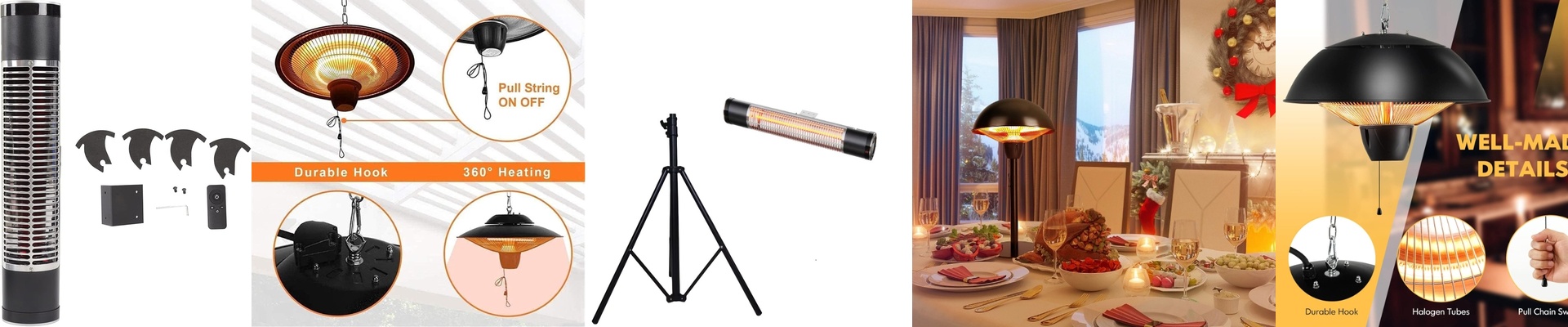
If you’re putting infrared heat in a bathroom, the first thing you’ll see is “IP44.” Basically, that’s just a fancy way of saying the unit won’t freak out or short-circuit the moment it gets hit with a bit of steam or a stray splash of water. It’s the bare minimum. But the part where people usually mess up is the wattage. If you get it wrong, you’re either shivering in a cold room or paying for electricity you don’t actually need.
Finding the Sweet Spot for Power
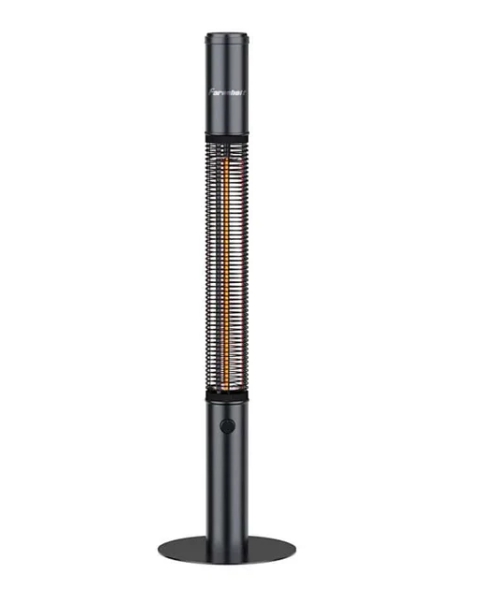
It all comes down to how much air you’re trying to warm up. Got a tiny powder room? A small lamp—somewhere between 250W and 400W—does the trick. It’s enough to make the room feel cozy the second you walk in without turning it into a sauna. For a standard bathroom, you’ll want to bump that up to 600W or 800W. If it’s a massive master bath, you might even need a couple of 1000W units. Here’s the catch: if you go too low, the lamp has to work at full blast 24/7 just to keep up. That’s a great way to burn out the filament way faster than it should. On the flip side, going overboard just wastes power and might trip your breakers if you’ve got too many things plugged into one circuit.
The Heat Trap
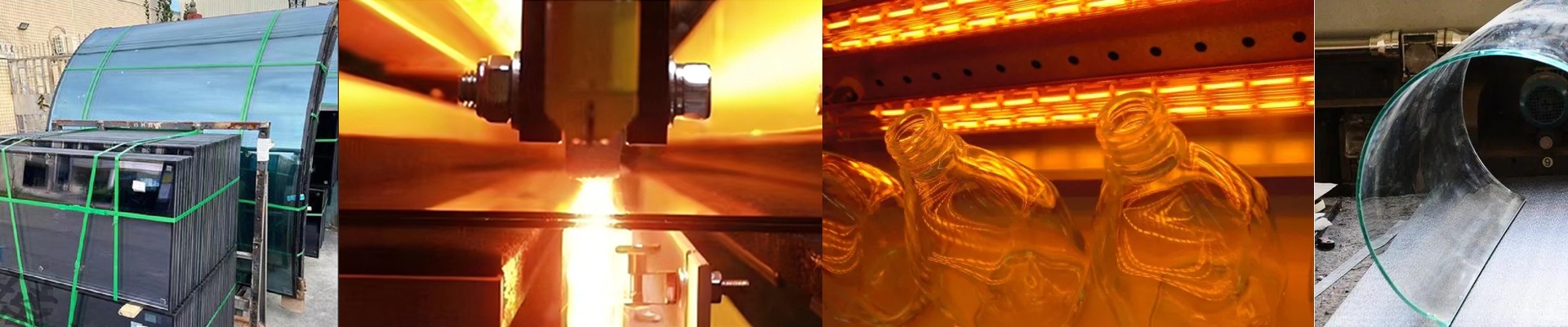
That IP44 casing is great for keeping water out, but it can also trap heat inside. We use quartz glass because it can take the heat, but you still need to give the fixture some room to breathe. If it’s squeezed too tight into a ceiling or a corner, the unit will “heat soak,” and your lamp won’t last nearly as long.
A Few Tips for Installation
Do yourself a favor and put these on their own dedicated circuit. Also, use heat-resistant cabling. Trust me, you don’t want the insulation melting near the lamp head. One last thing: watch your ceiling height. If the lamp is too close to the ceiling, you might actually scorch the paint. But if it’s too far down, the heat just disappears into the air before it ever reaches you. Find that middle ground, match your wattage to the room size, and you’re set.