


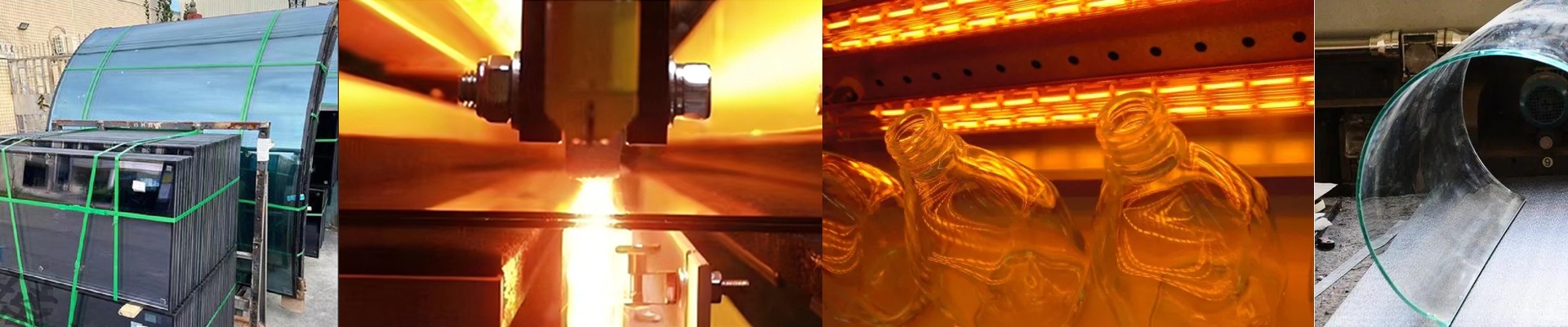
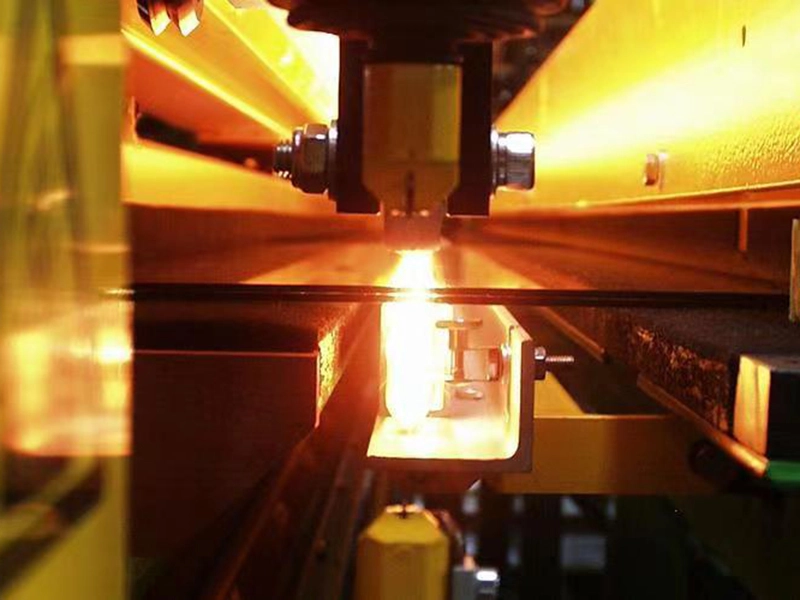
On the glass line, heat isn’t just temperature—it’s control. If the tempering furnace ramps unevenly, or the lamination press is always chasing thermal lag, you pay for it in yield loss: optical distortion, thermal stress, and timing that never quite lines up. Twin tube infrared heating elements cut through that uncertainty by putting predictable, directional energy right where the process needs it. Here’s what matters in practice: the emitter has to match the glass task. These twin tubes run on short-wave infrared, so you get high radiant density and response that’s measured in milliseconds, not minutes. That means you can hit sharp heating curves for tempering and bending, and hold repeatable dwell profiles when you’re running EVA/SGP/PVB lamination. The quartz envelope keeps output stable in high-cycle environments, and the twin-tube geometry focuses the heat footprint so the thermal field across the glass stays even. The specs are built for real lines: standard voltages, compact diameters, and mounting options that line up with the holders and reflector assemblies most shops already use. Why it works is straightforward: it moves heat faster, with less waste. In tempering, rapid, even heating lowers the risk of bow and stress fractures, so you keep more good glass on the truck. In lamination, consistent infrared energy drives adhesive flow without overshoot—shortening press time and steadying optical quality. And in insulating glass sealing, that same responsiveness helps you hold the repeatable temperature window you need for consistent desiccant activation and edge bead control. You use less energy because you’re heating the glass directly, not the air around it. Cycle time drops because the ramp is controlled, not guessed. Installation is simple, but the details matter. Align the element, reflector, and thermocouple so the thermal profile across the glass does what you expect. Verify voltage and connection type against your control panel, and account for emissivity shifts as coatings change—tune power density to keep surface response consistent. Keep mounting surfaces clean and get the spacing right to avoid hot spots. Run it that way, and the element acts like a dependable part of the machine, not another variable you have to fight every shift.