


Introduction
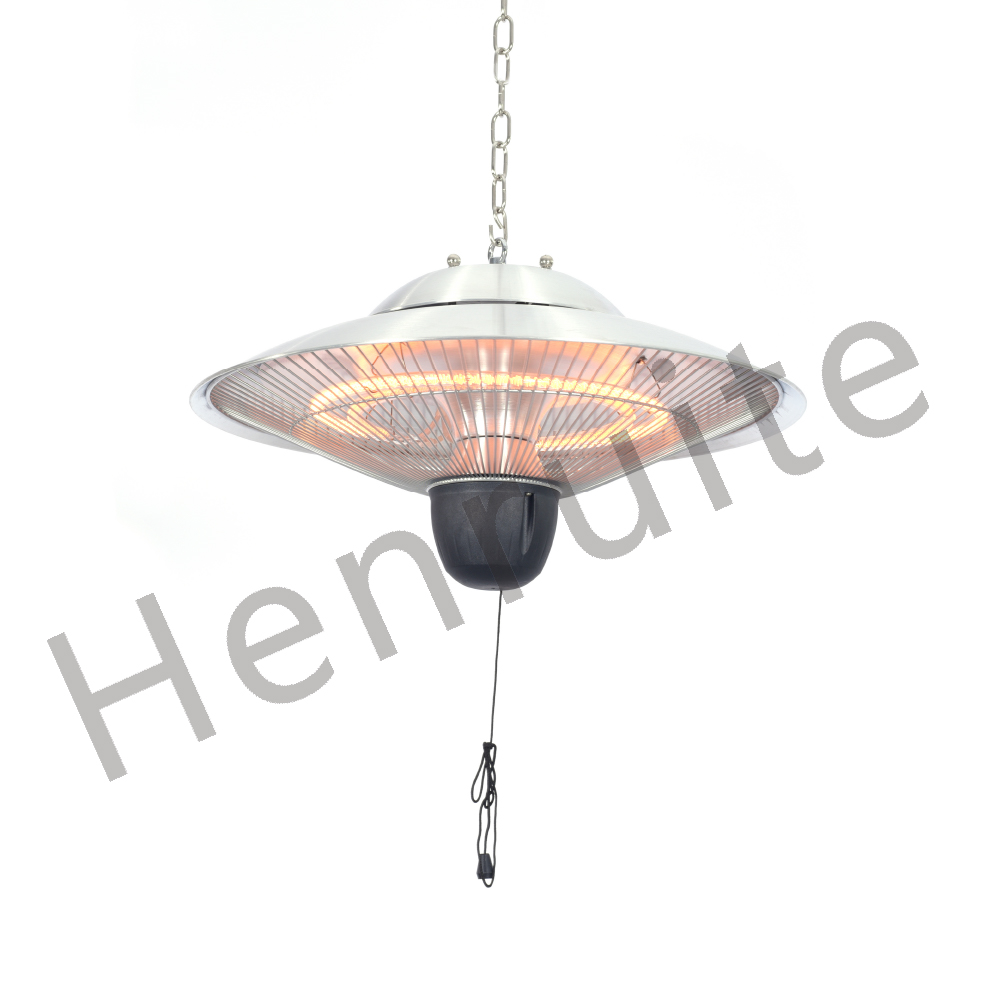
We built these electric infrared patio heaters for the places that are always damp—bathrooms, outdoor kitchens, covered patios. The whole point is simple: give you that focused, radiant warmth without letting moisture mess with the electrical side. So we made them waterproof from the ground up, with full electrical isolation. That way, even when the air is thick with humidity and surfaces are wet, the heater just keeps doing its job—steady and reliable.
The Nitty-Gritty
Infrared heaters come down to heat density and stable voltage. We set our elements to run on standard mains voltage, usually 220–240V, in the 1500–2000W range. That gives you a lot of radiant power from a small footprint—enough to warm a specific spot without trying to heat the whole room. The tube stays short, around 900–1200mm, so it slips into tight mounting spots and sends the heat right where you want it. But there’s a trade-off. Packing that wattage into a small space means the surface runs hot. So you need solid clearances and proper distance from anything that can burn. You also have to make sure the circuit can handle the current, and that the overcurrent protection matches the load.
What We Built, Under the Hood
Inside, you’ve got a halogen-infrared element sitting in a sealed, waterproof housing. The quartz tube handles fast temperature swings without cracking under thermal shock. We added an anti-drip coating and gasketed joints to block water at the ends and around the connections. The connectors are made for wet spots. R7s-style end caps give you solid, high-temperature contacts and make in-line installation straightforward. And when we use a Sk15 (or equivalent) waterproof terminal block, it keeps the wiring dry and stops leakage paths. The whole thing is designed as a drop-in replacement—wire it up and go, no re-engineering needed.
Where It Shines—and Why It Matters
In bathrooms and other damp areas, the real requirement is electrical reliability when moisture is always present. Our waterproof build keeps water out, while the insulated chassis and sealed joints maintain complete electrical isolation. The payoff is comfort you can count on: instant radiant warmth, stable performance, and far fewer failures out in the field. If you’re engineering the install, this setup makes compliance easier and cuts down on maintenance. You get a heater that can take a beating in humid conditions, with a hookup that’s straightforward and an output that stays consistent. Just keep the thermal side front and center: plan for airflow and clearance, and match the circuit protection to the heater’s rated load.