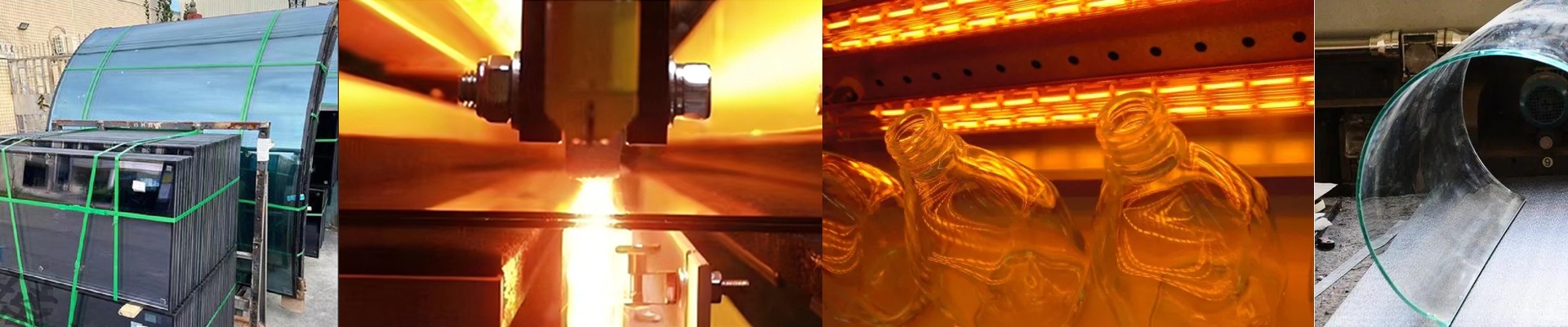
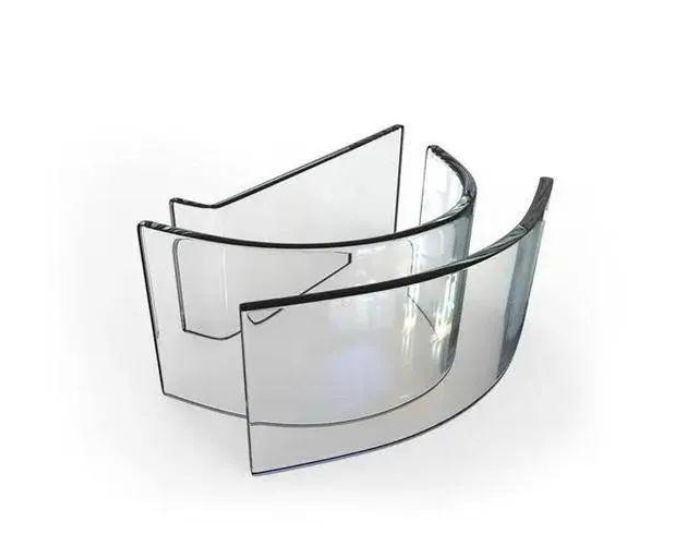
Out on the line, a decal is more than decoration—it’s a bond that has to hold through thermal cycling, washdown, and sun. When the firing heater can’t keep up, you get bubbles, discoloration, or adhesion failure, and the whole line pauses for rework. We designed our glass decal firing heaters to cut that variability out. What matters under the hood These units run on short-wave infrared quartz emitters—fast response, tight control. Peak power is matched to your line speed, usually 2–6 kW per module, with 240/480 V options and industrial connectors that handle vibration. The heater face lays down a uniform thermal field, so you don’t get hot spots that can drive thermal stress in tempered or coated glass. Control is PID with closed-loop feedback, holding setpoint within ±2°C across the glass. And when the curtain opens and closes, recovery is quick—cycle time stays consistent. Why this plays well in glass plants Decal firing often sits after bending or tempering, where residual stress and surface emissivity drift from batch to batch. The heater compensates on the fly, so you’re not rewriting profiles for every order. First-pass yield climbs, scrap drops, and adhesion stays stable without overheating the substrate. Energy use falls because the emitters heat on demand, not on a constant burn, and thermal mass is low. On high-throughput lines, that means more good parts per shift, less rework, and fewer stops. Field notes that save headaches Installation is straightforward, but clearances matter. Keep at least 150 mm around the emitter face for airflow and service access; under tight guarding, reflected heat can push nearby components hot. The system plays nicely with most flat glass conveyors, but profiled glass or thick laminates may need a custom power map to keep edges from running hot. Plan around emitter life—typically 3,000–5,000 hours depending on voltage and cycling—and keep spare modules on the shelf so the oven doesn’t sit idle.