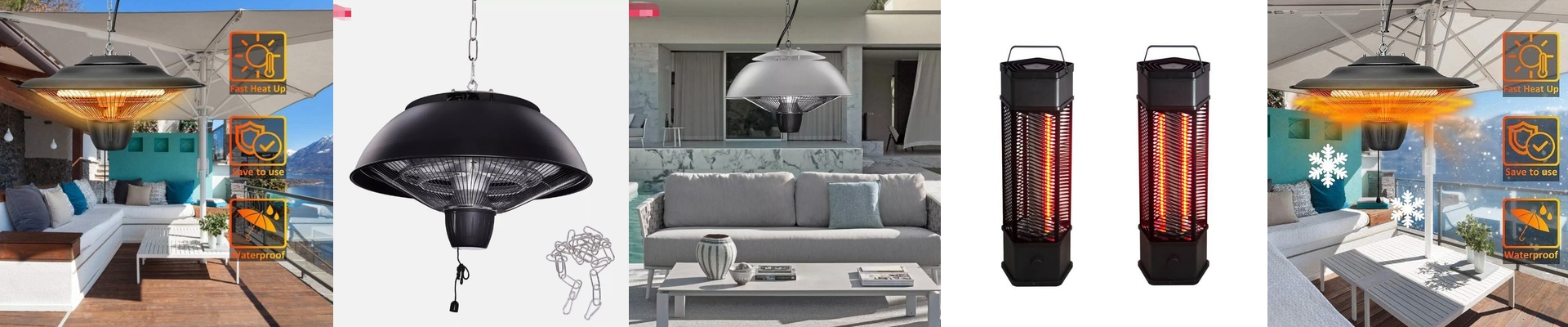


Cold evenings have a way of turning a relaxing living room or a quiet patio into a stiff, uncomfortable space. Joints tighten, muscles ache, and the usual heaters just push air around—drying things out and leaving you cold at the edges. What you really want is warmth that reaches you directly, the way sunlight warms your skin on a clear morning.
What matters under the hood
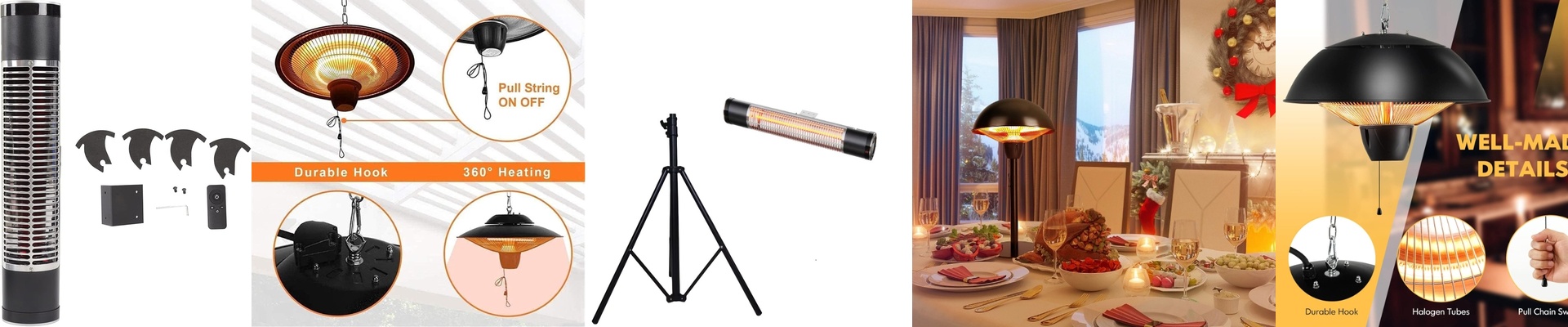
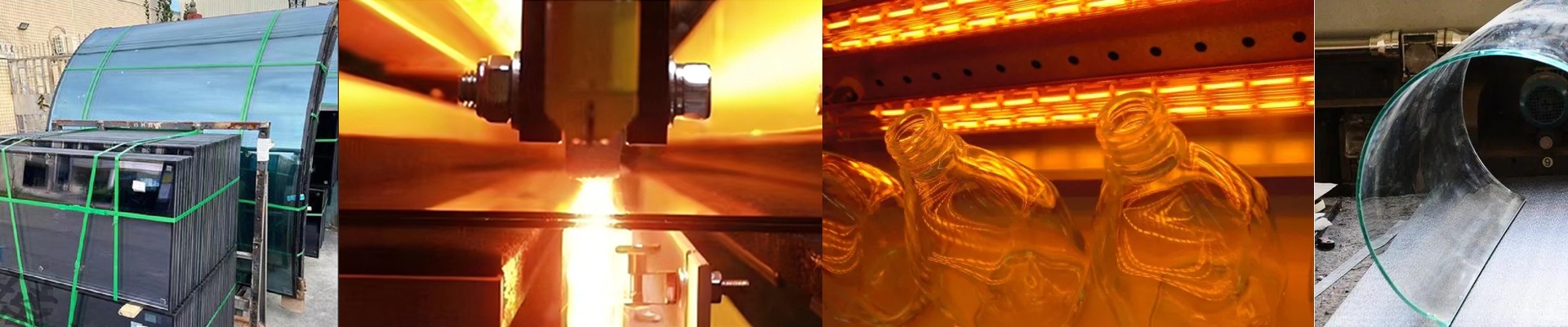
Smart electric infrared heaters work by radiating heat outward, much like the sun, but without the UV. At the core is an electric element—often a carbon fiber or quartz tube—heated by electricity to a temperature that produces short-wave and medium-wave infrared. That radiant energy travels through the air and warms people and objects directly, not the air itself. Many units include smart controls: a thermostat, timer, and sometimes motion or ambient sensors that adjust output to keep comfort steady and avoid waste. For safety, look for tip-over protection and overheat protection. For outdoor or damp areas, an IP rating tells you how well the heater resists dust and moisture.
Why this approach clicks
When you sit in the path of infrared warmth, the heat penetrates superficial tissue and helps muscles relax. That can ease the nagging fatigue that builds up in shoulders, knees, and hips. The relaxation encourages better blood flow, supporting a gentle rise in circulation that helps you feel more limber and refreshed. Because the warmth is directional, you feel cozy faster, without waiting for the whole room to heat. In practice, that means fewer blasts of hot air, less dryness, and a steadier comfort level. Energy use stays focused on where you are, so you get warmth on demand without heating empty space.
The practical details
Infrared heat is most effective when you’re within the rated distance for the heater’s power—usually a few feet for personal models and a bit farther for patio-scale units. Obstructions and reflective surfaces can change how the warmth spreads, so placement matters. Most smart electric infrared heaters plug into a standard outlet, but high-power outdoor models may require a dedicated circuit. For indoor use, choose a model listed for that environment and keep clearances clear. The trade-off is straightforward: you get fast, sun-like radiant comfort, and you need to position the heater thoughtfully to cover the spots where you sit.