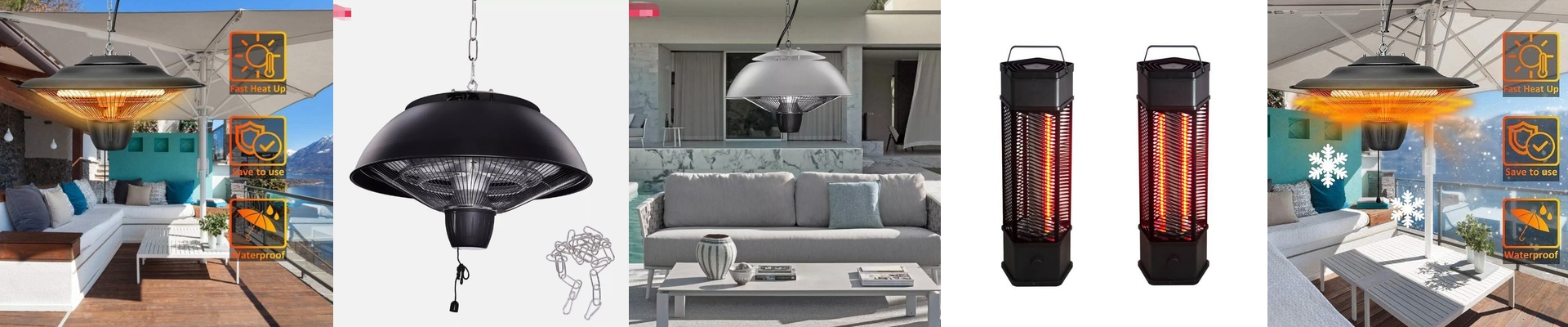


An attic sunroom is a great space—until the heat slips right out through those big glass walls. Standard convection heaters just chase warm air upward, and you’re left shivering. The goal is simple: keep comfort where you want it, not lose it through the glazing.
What matters under the hood
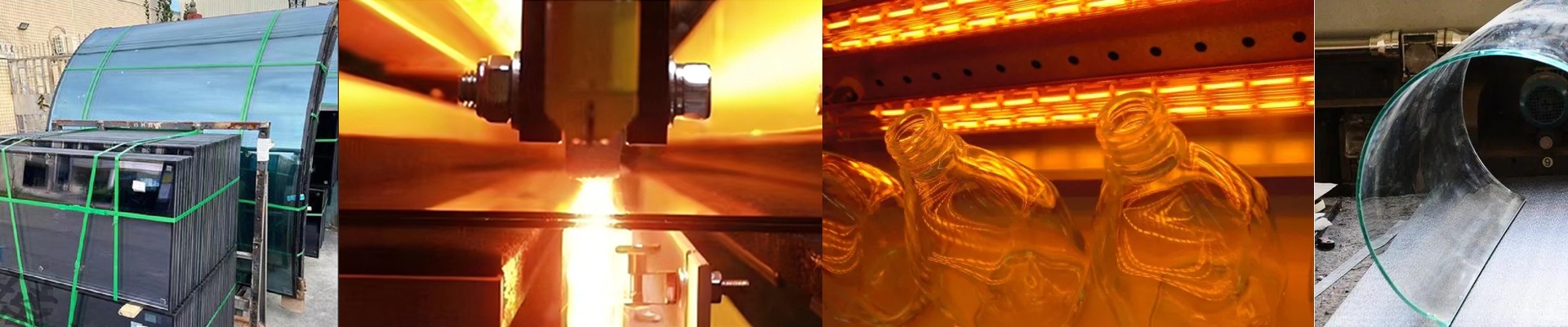
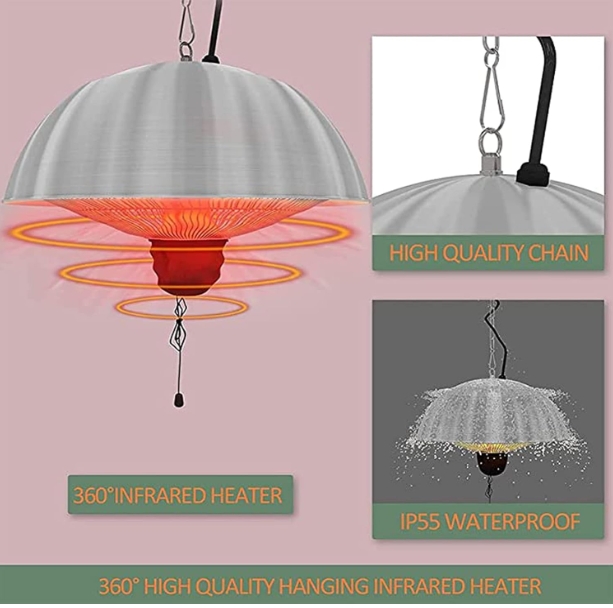
We built this electric radiator heater around infrared warmth—heat that travels in straight lines and warms people and surfaces directly, instead of wasting time heating air. Inside, a carbon fiber element sits in a quartz tube. That combo is why it heats up fast, runs steady, and holds up over time. In practice, you get heat within seconds of flipping it on, not after a long wait. Add an adjustable thermostat and a clear digital display, and you get repeatable control: set a level, and the heater holds it.
Why it fits a glass-roofed room
Under a large glass roof, heat loss is constant. Infrared electric heaters cut through that problem because radiant heat doesn’t vanish the moment warm air rises. It lands on chairs, floors, and your skin, creating a stable comfort zone even when the room air is cooler. For an attic sunroom, that means usable comfort earlier in the season and later into the evening—without the cycling and drafts you tend to get with air-based systems.
What to keep in mind
Infrared warmth is directional, so placement is everything. Mount the heater where the beam covers the main seating area, and keep the path clear for the best results. Plan for a dedicated electrical circuit, too. These electric radiator heaters draw significant current, and a stable supply keeps the thermostat consistent. For safety, stick with a unit that has tip-over protection and respect the clearances listed in the manual.