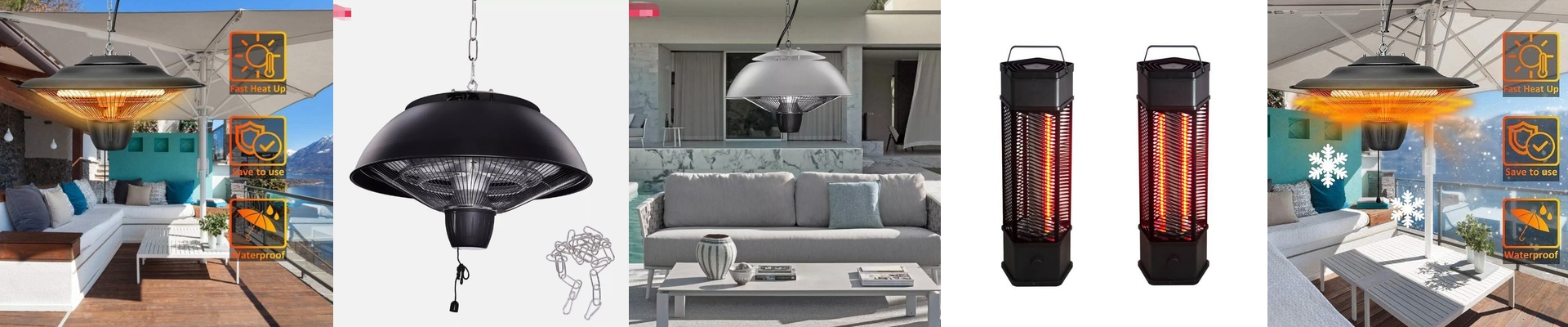

Energy prices keep climbing, and winter always brings that familiar jolt when the utility bill shows up. Forced-air systems heat the whole volume of air in a room, and a lot of it slips right out through cracks and drafts. We built our energy-efficient infrared space heaters to cut through that waste.
What matters, technically
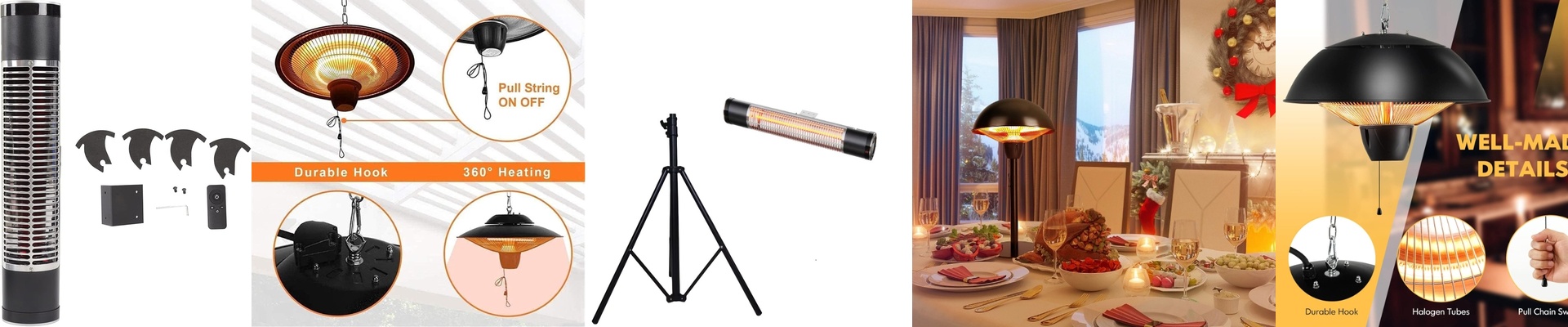
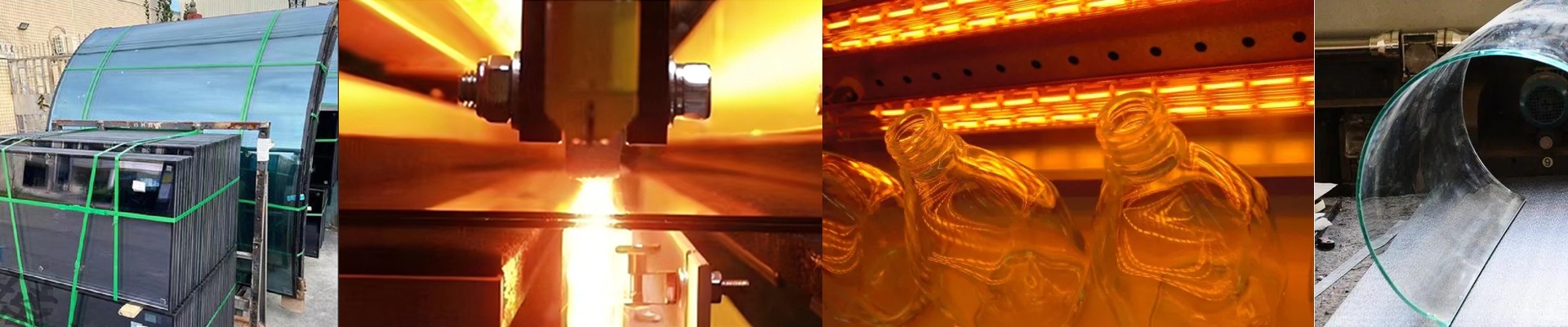
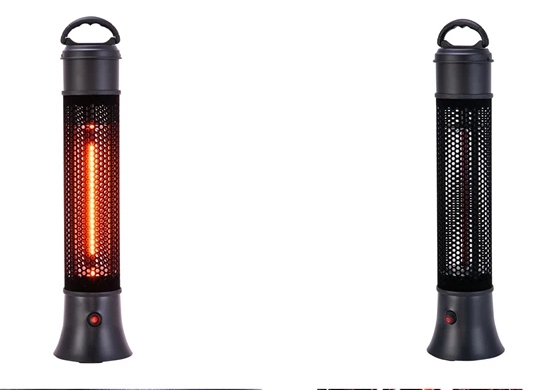
Infrared heating works differently. A carbon fiber or quartz element emits radiant warmth that travels straight to people and objects—just like the sun warming your skin. This is direct heat, not air that gets heated and then lost. You feel it fast. The units deliver targeted warmth with an instant response, so you get heat within seconds of flipping the switch. Many models run on standard 120V outlets, drawing 1,500 to 1,800 watts, and include built-in thermostats and timers to prevent overheating and keep energy use in check. For safety, tip-over protection and overheat sensors are standard. Outdoor-rated versions carry an IP rating for protection against moisture.
Why this approach makes sense
With energy costs rising, infrared delivers real savings. It heats what actually matters—people, furniture, and surfaces—so you can stay comfortable at a lower overall temperature. Turn down the central thermostat and rely on these heaters in the spaces you actually use. Less energy gets wasted, and the monthly bills reflect that. You also get flexibility: create cozy zones on patios, in workshops, or in drafty corners without committing to expensive renovations.
What to keep in mind
Infrared heaters excel at spot heating, not whole-home heating. Match the wattage to the room size, and position the heater where it can reach the people directly. Keep combustibles at a safe distance, and use outdoor-rated units for covered patios or enclosed porches. They’re highly efficient for targeted comfort, but they work best as part of a layered heating plan—complementing your main system, not replacing it.