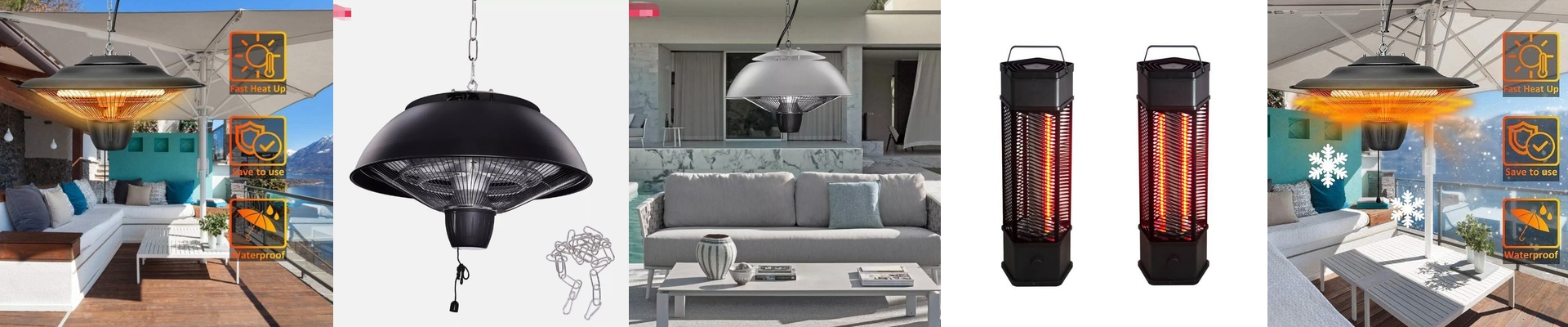
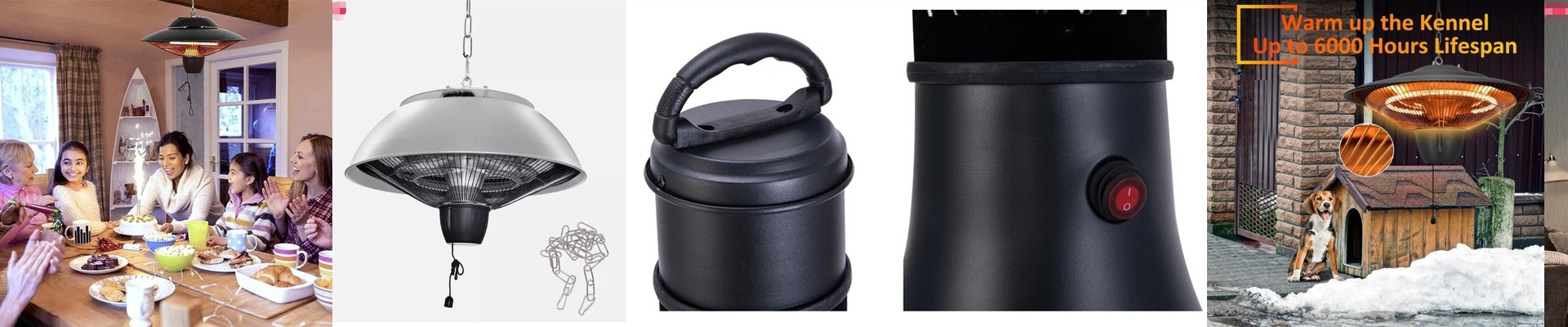
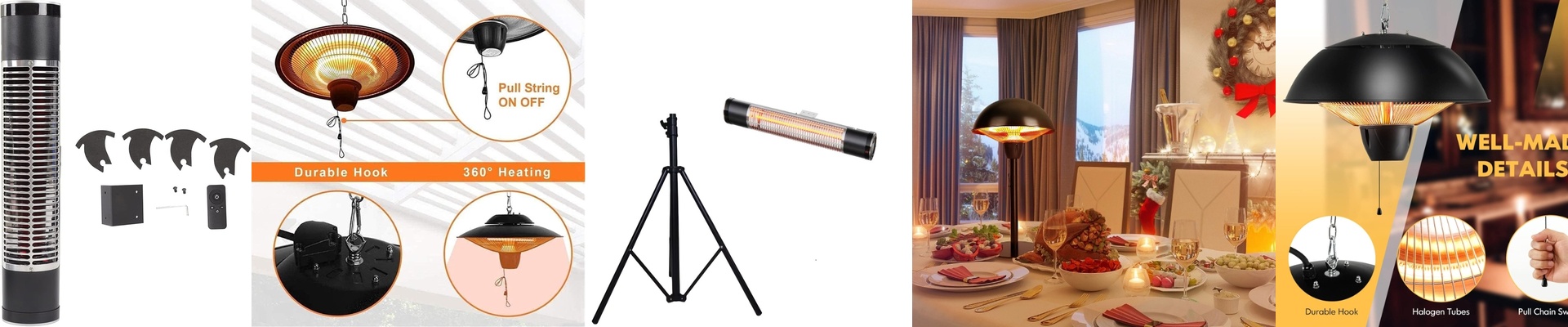
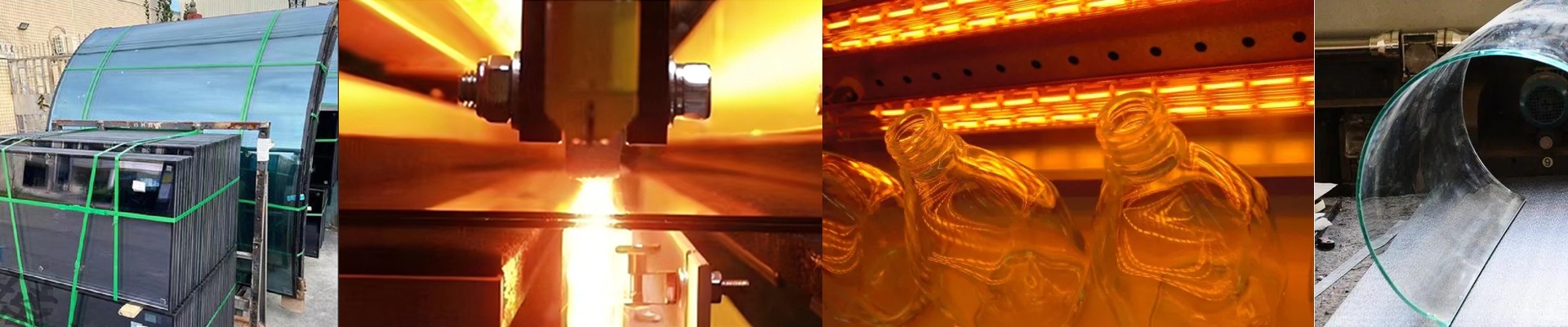
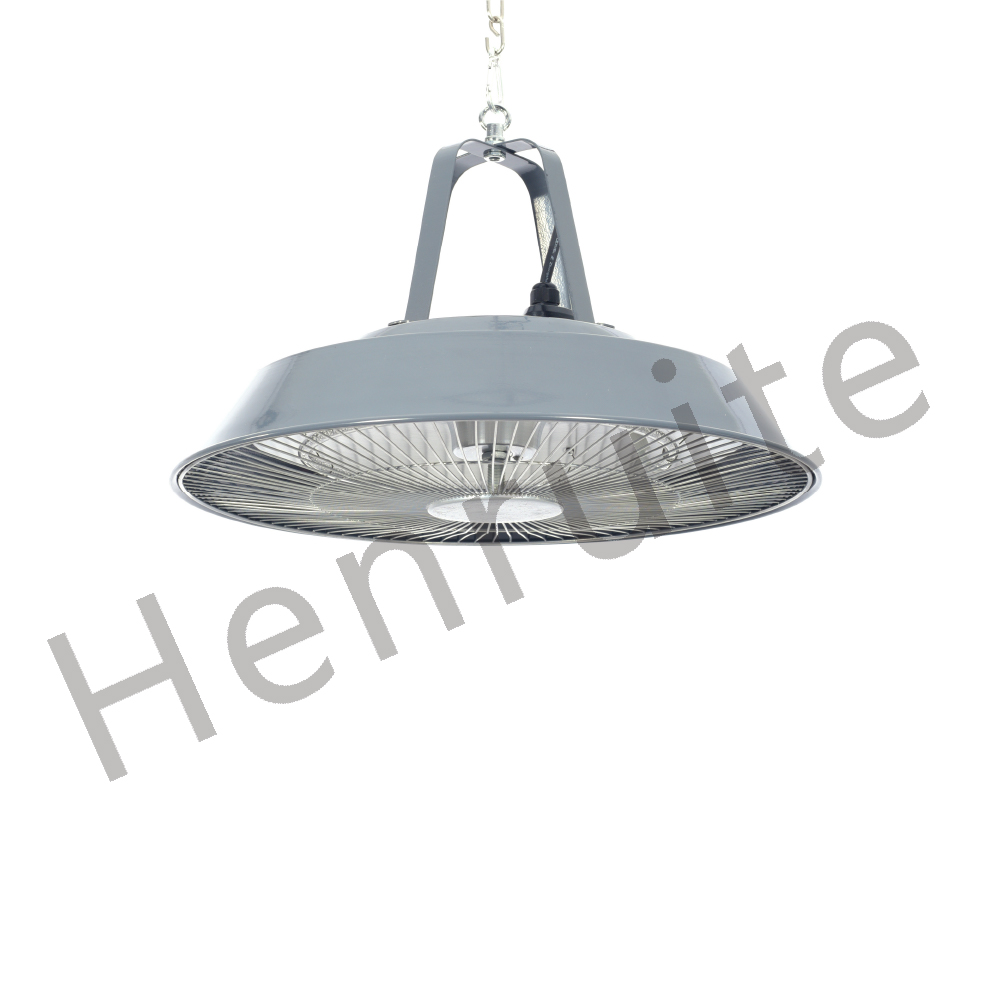
Life on the road in an RV is all about open miles and quiet evenings—until the cold sets in. Space is tight, battery capacity is never endless, and the wrong heater can drain your power while still leaving you feeling drafty. Out in the greenhouse, the same headache shows up: seedlings and cuttings need steady warmth, but running a big convection heater can trip breakers and push your energy use through the roof. That’s why we built our compact infrared electric heaters to cut through the noise—delivering focused warmth that stays respectful of your power budget. What actually matters under the hood Infrared warmth works by radiating heat directly to people, plants, and surfaces, so you don’t have to heat every cubic foot of air. Inside these units, a carbon fiber element sits in a sealed quartz tube, putting out medium-wave infrared that feels even and natural—without the harsh glare you get from short-wave systems. Pick 120V models when you’re on grid power in a greenhouse, or go with 12V/24V versions for off-grid RV setups. Depending on the size you need, draw runs 300–800W. The footprint is small—often under 20 inches long—light, and designed to mount on a wall or ceiling so you keep floor space where you need it. Controls are straightforward: an adjustable thermostat holds temperature, and tip-over protection shuts things down if the unit gets bumped. For greenhouses, look for an IP rating of IP34 or higher to help keep dust and splashing water out. Why this approach fits RV and greenhouse use In an RV, comfort shows up fast—no long warm-up, no noisy fan cycling on and off. Because it heats objects instead of air, you feel warm at lower ambient settings, which translates into lower amp draw over the course of a night. In a greenhouse, that same principle protects delicate plants: radiant heat warms soil and benches, smoothing out the swing between day and night temps. That stability supports faster rooting, better germination, and fewer losses from cold stress. You also get real flexibility—aim the heater to put warmth where you need it, and run it quietly so conversations and sleep don’t get interrupted. The details that make the difference Infrared heaters warm what they “see,” so placement matters. In an RV, mount the unit so the beam hits the main seating or sleeping area, and keep combustibles at a safe distance. In a greenhouse, avoid pointing directly at delicate foliage; angle the heater toward benches and walkways, and if you need broader coverage, add a simple reflective shield. If you’re running off-grid, match the heater voltage to your system and plan your battery capacity accordingly. These units are efficient, but they still draw continuous power when they’re on. For long run times, consider a small solar setup or a battery bank sized to the expected load. Also, check local codes for electrical clearances and outdoor use ratings—when installed correctly, these heaters deliver dependable warmth season after season.