
Getting Your Glass Annealing Right: The Secret is in the Spectrum
Most infrared lamps are kind of lazy. They throw out a bunch of energy, but a huge chunk of it just bounces right off the glass or gets ignored entirely. It’s a waste of power and a waste of your time. If you’re working with specific additives or dopants in your glass, a generic lamp just isn’t going to cut it. You need the light to actually “hit” the chemistry of your material. That’s why we don’t do one-size-fits-all. We tune the infrared spectrum to match the exact absorption peaks of your glass. It’s the difference between shouting into a void and having a real conversation.
How we actually do it
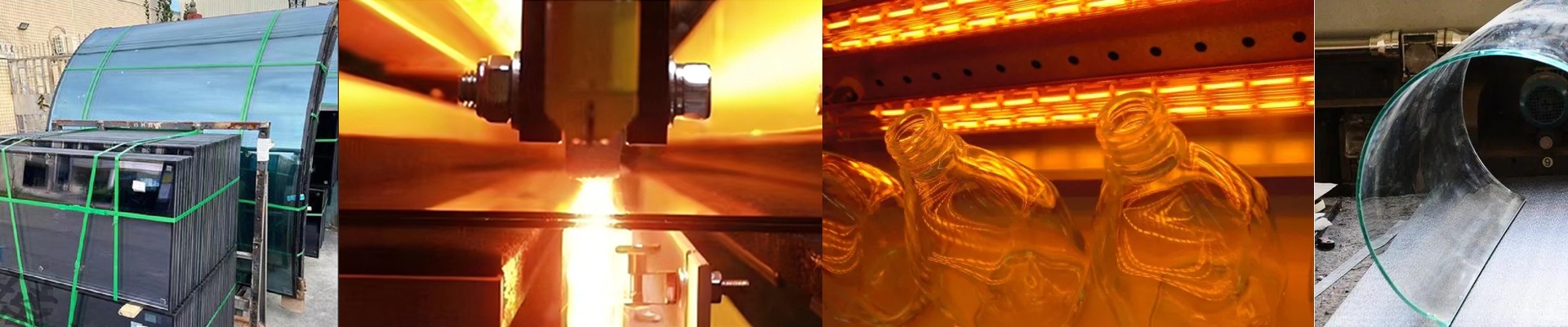
We aren’t just cranking up the wattage and hoping for the best. That’s not how physics works. Instead, we mess with the emitter materials and add specific coatings to shift where the energy lands. By narrowing that emission band, we make sure the heat actually sinks into the glass rather than just skimming the surface. The result? You hit your annealing point way faster. Your “soak time” drops, and the temperature stays uniform across the whole piece. No weird cold spots. No guesswork.
The trade-offs (Because nothing is magic)
Here is the honest part: when you filter a lamp to hit a very specific peak, you lose some of that raw, brute-force wattage you get from a clear quartz lamp. You’ll notice it. To make up for that, you might need to move your lamps a bit closer together or give the glass a little more time in the heating zone. Also, if you go for a really narrow band, the lamp itself might run a bit hotter internally just to keep the glass surface where it needs to be.
Putting it to work in your lab
The good news is that these are designed to be drop-in replacements. You can slide them right into your existing annealing ovens. We use heavy-duty quartz envelopes because we know these things go through a beating with constant thermal cycling. One big tip:keep your power steady. Since these lamps are precision-tuned, they’re a bit pickier about voltage. If your power supply flickers by even 5%, you might drift off that absorption peak. That’s how you end up with uneven stress relief and a ruined piece of glass. Keep your PID controllers dialed in, watch for overshooting, and you’ll be golden.