Getting the Heat Right: Why Power Density Actually Matters in IR Annealing
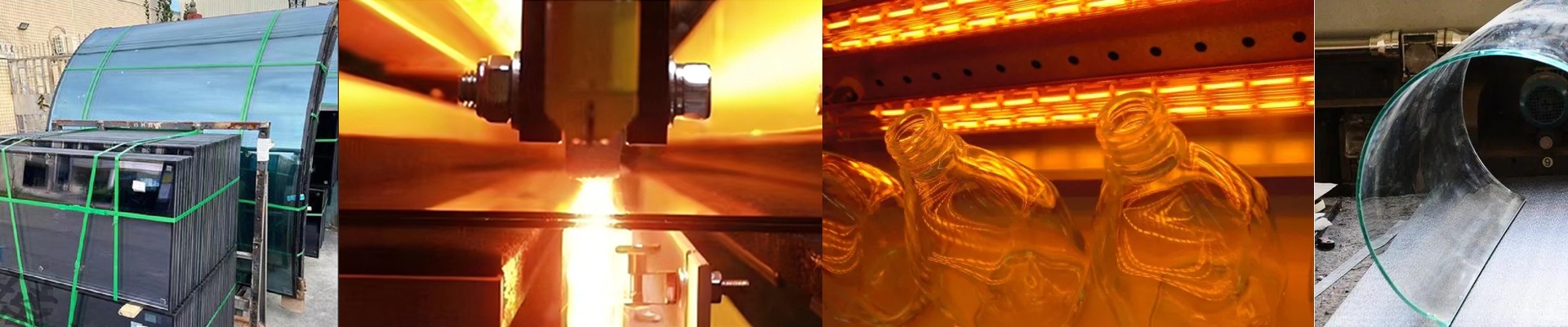
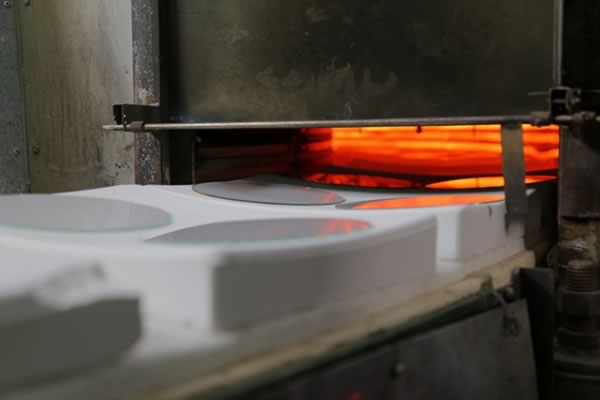
If you’ve spent any time in glass R&D, you know the frustration of standard infrared heaters. Most of them treat your sample like one big block. They just blast the whole surface with heat and hope for the best. But when you’re developing new materials, “close enough” doesn’t cut it. You aren’t just looking for a specific heater size. You need to control exactly where that power lands. If you can’t, you’re just asking for internal stress or a surface that warps the moment it hits the heat. It’s about more than just the dimensions. Plenty of shops can cut a heater to a custom length. That’s the easy part. We spend our time obsessing over the power density profile. By tweaking how the filament is wound and how the wattage is spread out, we can create specific thermal gradients. Imagine hitting a precise soak temperature right in the center of your glass, while gently tapering the heat as you move toward the edges. It kills that annoying “edge effect” where the perimeter overheats and ruins a perfectly good sample. The balancing act. Here’s the thing: when you cram more wattage into a smaller space, you get a massive jump in heat flux. It speeds up your annealing cycle, which is great, but it puts a real strain on your power supply and cooling manifolds. If you go for extreme power density, your chassis has to be tough enough to handle all that radiated heat. If it doesn’t, your sensors will start drifting, and your data becomes useless. We work to find that sweet spot—enough wattage per centimeter to hit the transition temperature, but not so much that you accidentally hit the softening point and melt your work. Room to experiment. We build these systems to give you some breathing room. We call it “parameter freedom.” Basically, it means you can swap out lamp configurations to test different ramp rates on the fly. Whether you’re messing around with specialty borosilicate or some new ceramic-glass composite, you can shift the power distribution without having to tear down and rebuild your entire furnace. You just adjust the IR profile and get back to work. It takes a lot of the guesswork out of material characterization, which means you spend less time failing and more time discovering.