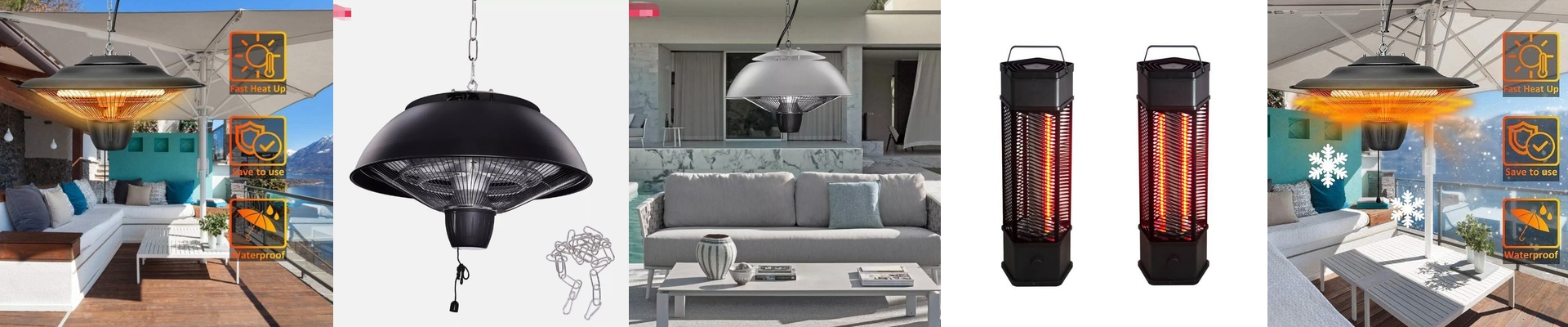

Why We Build These Heaters
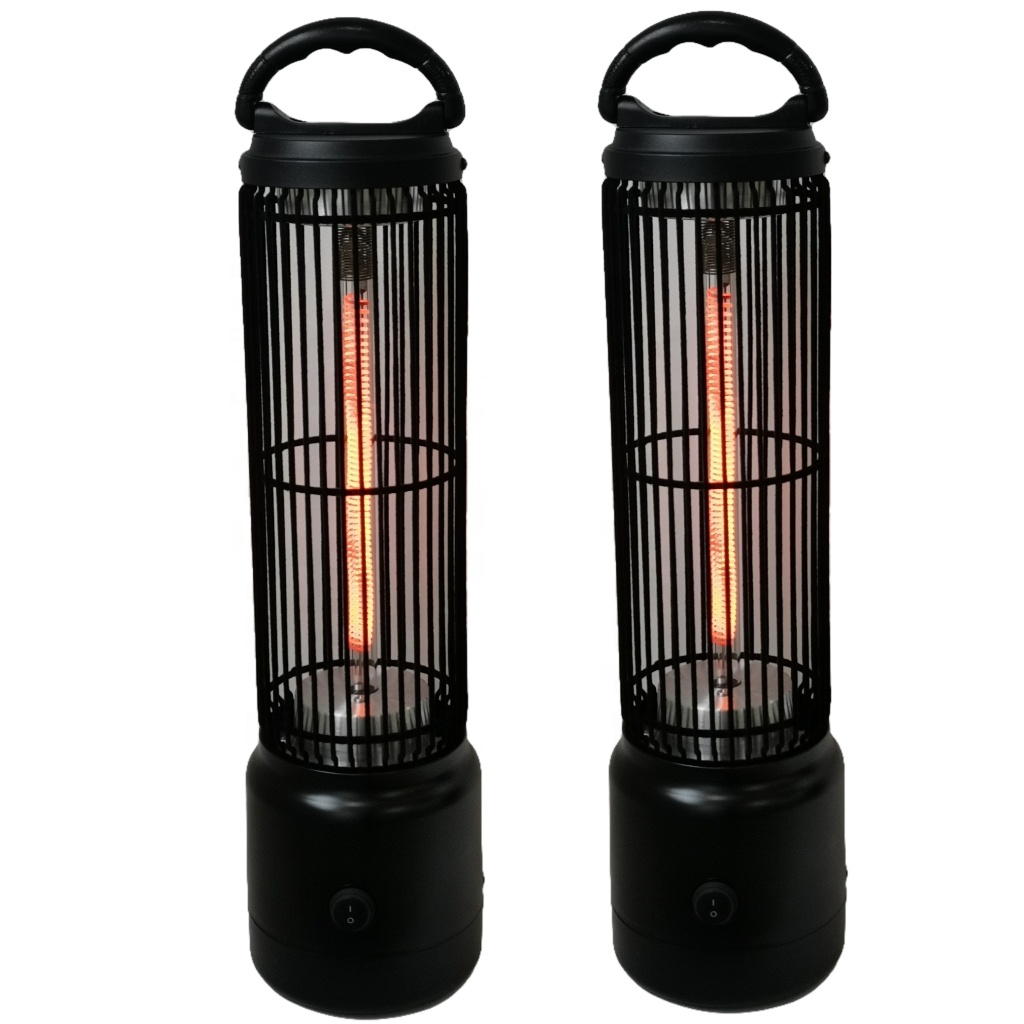
Here’s the thing about bathrooms with tall ceilings: heat loves to run away. It rises, up and up, while you’re left standing down below in the cold. Forced-air systems just can’t fix that. So we built infrared heaters for one simple reason: to put warmth where you actually feel it. Our lamps don’t waste energy heating the air up near the ceiling. They shine energy straight onto people and surfaces, so the heat lands right where you need it.
Power, Voltage, and Coverage—Plain Talk
Sizing is about matching power to the room. For bathrooms with ceilings between 2.8 and 3.2 meters, we typically recommend 100 to 150 watts per square meter. If the ceiling climbs to 3.5–4.0 meters, we bump it to 150–220 watts per square meter to fight the extra height and the way heat stacks up. You can wire these at standard voltages—120V or 230V. Higher-wattage units often run on 230V because it lowers the current draw, which makes wiring easier. And with longer cable runs, higher voltage helps keep the power steady, so the heater delivers what it’s rated for.
The Parts That Make It Reliable
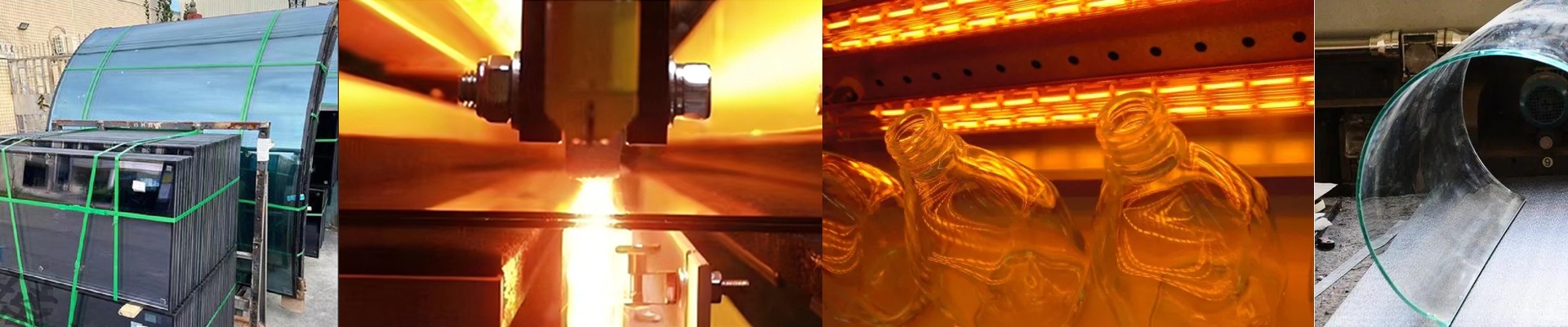
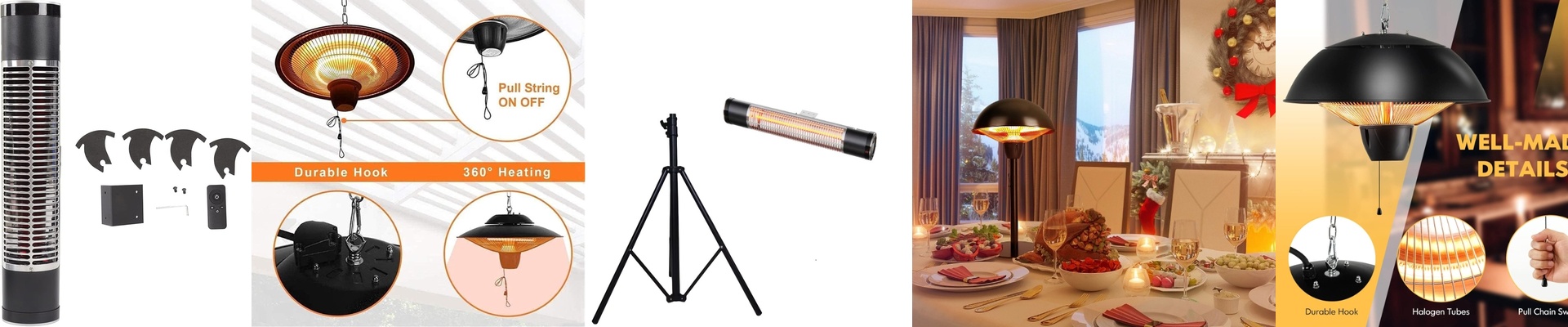
Inside, it starts with a quartz tube and a halogen fill. That combo gives you fast response and stable output. The filament runs hot, so the tube has to handle high temperatures and repeated heating and cooling without quitting. The coating isn’t just for looks. It shapes the output and directs heat downward where it matters. A good coating cuts glare and reflects infrared back toward the target, so more warmth actually reaches you. And the connectors matter in the real world. We use R7s and Sk15 because they can take the heat at the ends of the tube and make installation straightforward—just a two-wire hookup. They lock in place and keep the tube aligned inside the reflector, so the beam stays consistent.
How to Size It for Your Bathroom
Small bathrooms, around 4–6 m², usually do fine with a single 1000–1500W unit. Medium spaces, 7–10 m², typically need either two 1500W lamps or a single 2000–2500W setup. For larger rooms or high ceilings, 11–15 m², it’s best to spread the power—like three 1500W lamps—so you don’t end up with cold spots.
What You Gain—and What to Plan For
The big payoff is efficiency that matches real life. Infrared warms objects and your skin directly, so you feel the heat almost the moment you switch it on. When the room is empty, you’re not throwing money away heating empty air. But there’s a trade-off: these lamps run hot at the source. That means the fixture housing and nearby wiring need to be rated for sustained high heat. So plan your mounting clearances and thermal protection before you install.