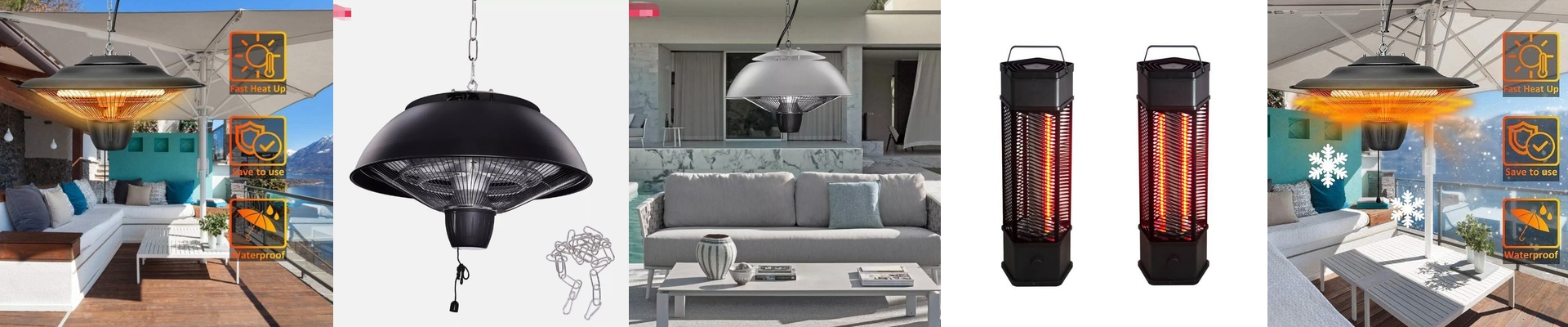
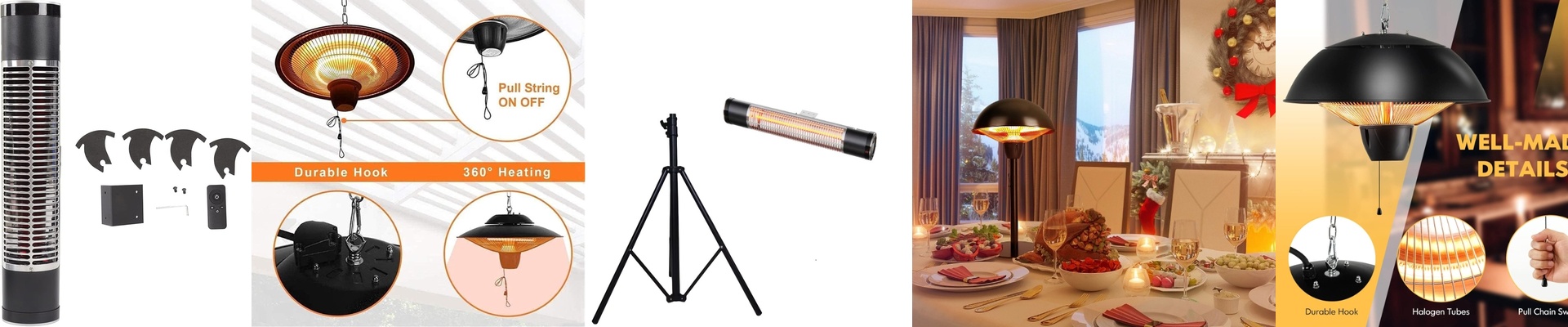
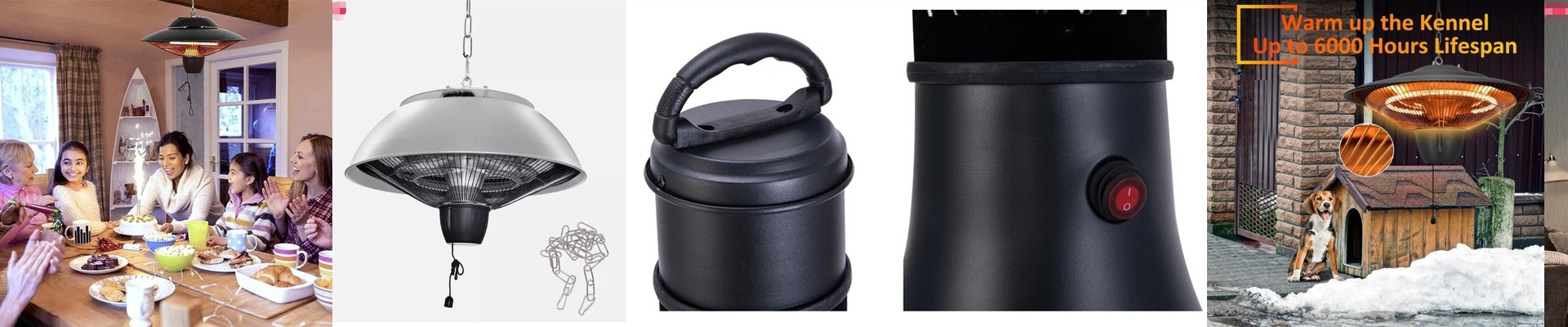
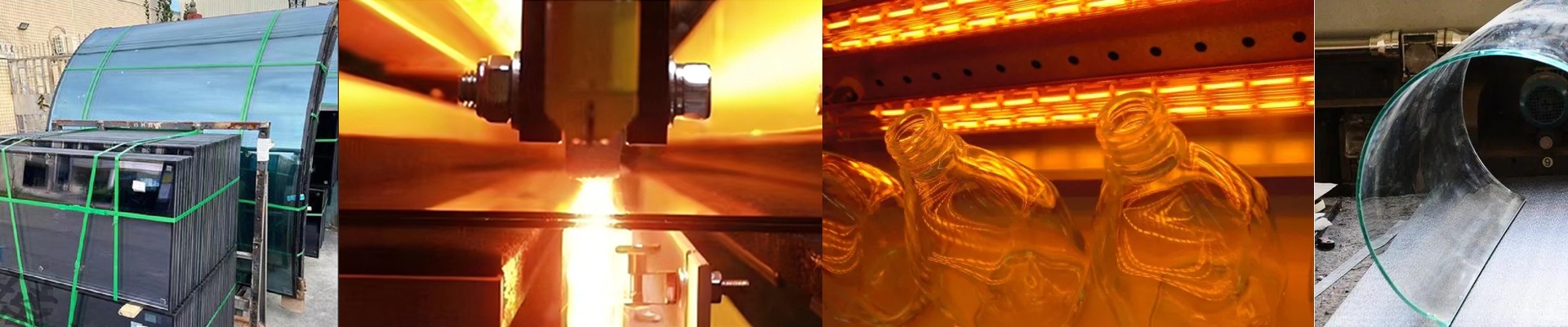
On the bottle line, the decoration step is where you fight for pace without losing control. Ink, metallic pigments, and adhesives need a fast cure, but you can’t cook the glass body. Convection ovens drag cycle time out, and uneven heat shows up later as micro-cracks, pinholes, or adhesion that fails after filling and handling. Miss the window, and you pay in scrap, rework, and wasted energy. What matters technically We run short-wave infrared (SWIR) emitters tuned to the coating absorption band, so response is fast and temperature control stays tight. Peak wavelengths sit near 1.0–1.4 μm to dump energy in quickly, and the power profile is shaped to keep the surface in the cure window without driving the body into thermal stress. You get a uniform thermal field across the decoration zone, not hot spots and gradients. Output density is set to match line speed, and the system drops into existing conveyors with straightforward power and control hookups. Why it works here Infrared drying shortens the curing segment and cuts out the long soak that bleeds energy. The heat goes where it’s needed—straight into the coating—instead of heating air and fixtures. With faster, more repeatable drying, you see fewer rejects from under-cure, over-cure, and thermal shock, so finished-goods yield climbs. Maintenance gets easier, too: fewer moving parts in the heating zone and predictable lamp life mean less downtime and lower spares cost. Things to know Infrared drying lives and dies on line-of-sight and absorption, so fixture design and emitter spacing have to match the bottle geometry and the decoration coverage. Shadowing will show up as cure variability, and reflectors need to stay clean. Plan a short commissioning window to tune power, dwell, and temperature feedback, and make sure the power circuit and cooling can carry the emitter load. Once it’s set, the process runs with stable curing, lower kWh, and fewer call-backs.