
Stop Wasting Energy on Your Glass Annealing
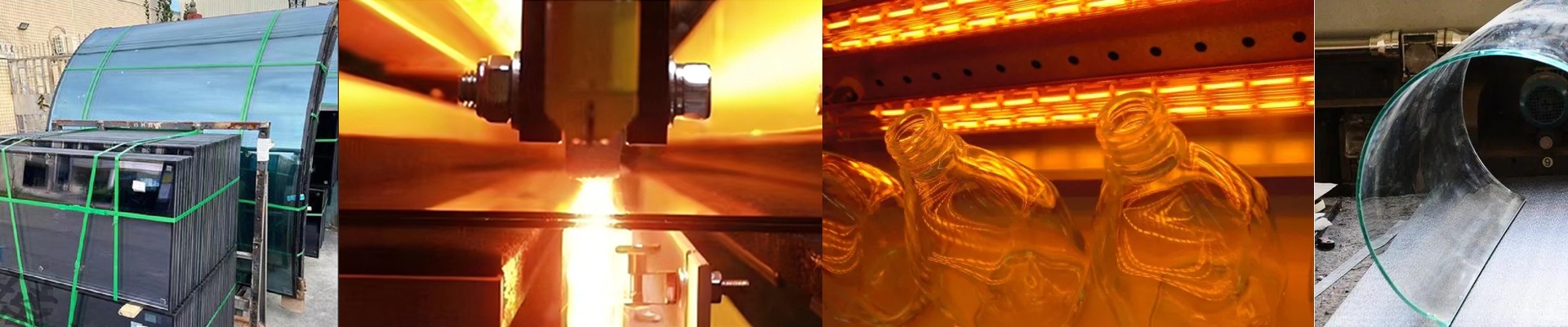
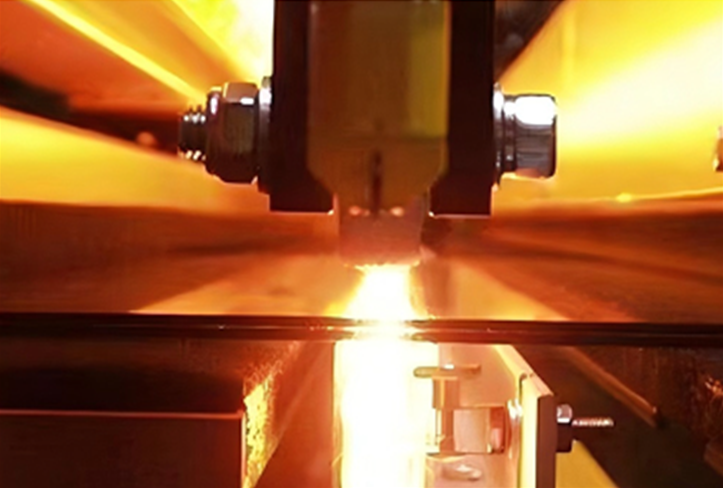
Let’s be honest: annealing is usually the biggest energy hog in the entire production line. Most traditional heaters spend more time warming up the air around the glass than actually heating the glass itself. It’s a waste. That’s why we use shortwave infrared (IR) lamps. Instead of heating the room, these lamps hit the glass directly. You reach your annealing point faster, and your electricity bill actually starts to look reasonable again. The secret is in the heat density. We design these elements to pack a punch without taking up half your factory floor. Because it’s shortwave radiation, the energy sinks right into the glass surface. This gives you a choice: you can speed up your conveyor belt to get more product out the door, or you can just dial down the furnace temperature. Just a heads-up—keep an eye on your power supply. Voltage spikes are the enemy here; they’ll fry your filaments way too soon. What’s actually inside the lamps? We use high-purity quartz tubes because they can handle the constant “hot-cold-hot” cycle of an annealing tunnel without cracking. We also fill them with halogen. It keeps the tungsten from evaporating, which means the lamps last a lot longer before you have to swap them out. As for the setup, we stick with R7s or SK15 bases. We did this on purpose. They’re standard, so they usually just slide right into your existing rigs. You won’t have to rip out your control cabinet or spend a weekend rewiring everything just to save some power. A few things to keep in mind. Higher wattage means you get up to temperature faster. That sounds great, but it puts more pressure on your cooling fans. If you crank the heat too high without enough ventilation, you might actually warp the lamp housings. The trick is to match the wattage to the thickness of your glass. Do it right, and you’ll hit that sweet spot where the glass is perfect and you aren’t throwing money away on wasted heat.