
Getting Glass Annealing Right with IR Reflectors
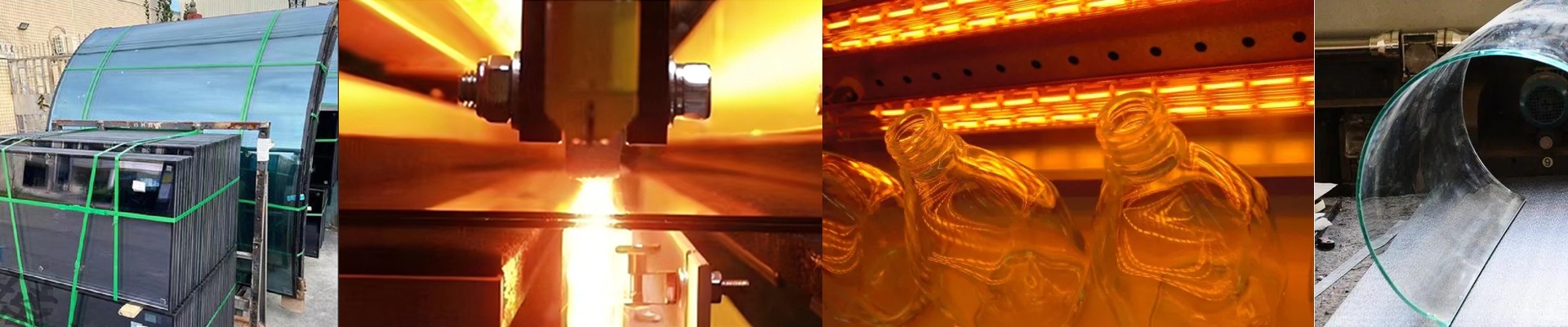
If you’ve ever dealt with continuous glass production, you know the headache of internal stress. One wrong move with your thermal gradients and you’re looking at cracks. It’s frustrating. Most heating methods are just too slow, and they end up creating a massive bottleneck that kills your momentum. We’ve found a better way: shortwave IR lamps paired with high-purity aluminum reflectors. Why the reflector actually matters Think about an IR lamp on its own. It throws energy in every direction—a full 360 degrees. In a real production line, that means half your heat is just disappearing into the air. Total waste. That’s where the aluminum comes in. We use these reflectors to catch that wasted radiation and bounce it right back onto the glass. Because aluminum is so good at reflecting shortwave IR, it concentrates the heat exactly where you need it. You get more punch on the workpiece without having to crank up the power bill. Speed and flexibility The best part? These IR lamps hit their target temperatures in seconds. Compare that to a convection oven, which feels like waiting for a giant rock to warm up. With IR, you can tweak the heat profile on the fly. If the line speed changes, you just adjust. And since you’re using radiation instead of heating the actual air around the glass, your annealing station doesn’t need to take up half the factory floor. It’s lean. The catch (and how to fix it) Now, it’s not all magic. When you concentrate that much heat, things get hot—really hot. The aluminum reflector does its job, but it also traps heat near the ends of the lamp. If you aren’t careful with your cooling fans or water jackets, you’ll fry your lamp sockets. It’s a quick way to kill your equipment. Just make sure your cooling system is beefy enough to handle the load, and your lamps will actually last. Making it work on your line We like this setup because it’s modular. You can just add or remove lamp banks to dial in the curve based on how thick your glass is. It keeps the glass in that perfect temperature window without you ever having to hit the stop button. It basically turns a clunky batch process into a smooth, continuous flow.