Stop Fighting Your Glass: How to Kill Batch Variance
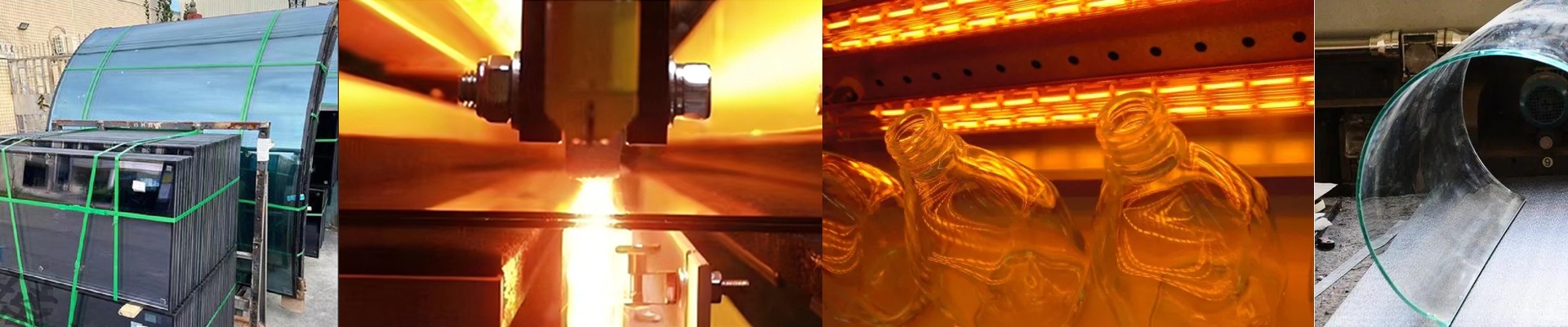
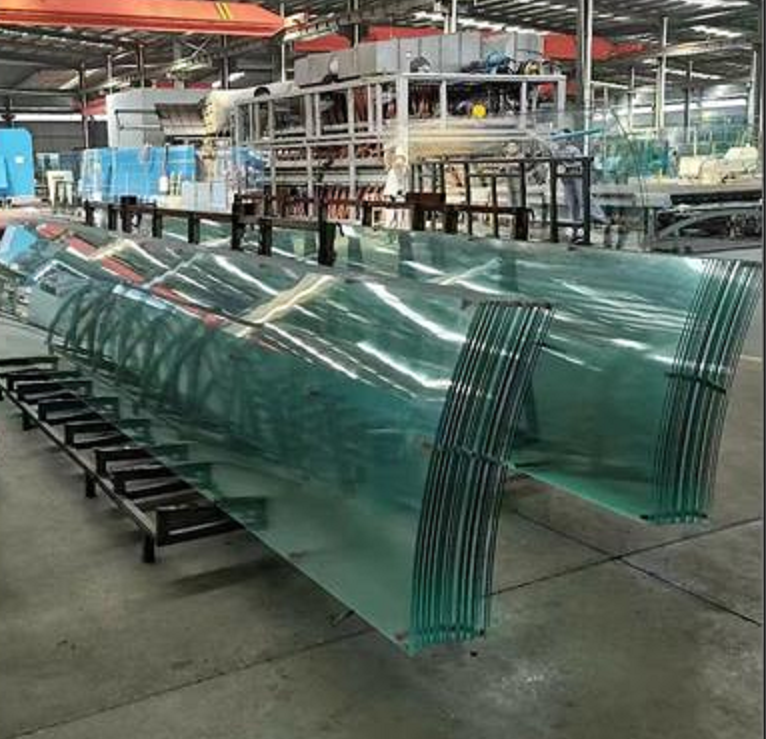
If you’re in high-gloss glass finishing, you know the nightmare of batch instability. You spend hours on a run, only to pull out pieces with uneven gloss or—even worse—internal stress points that make the glass crack later. It’s frustrating. The culprit is usually the IR heating arrays. Most of them have “hot spots” and “cold zones.” If your lamps aren’t pumping out the exact same wattage across the whole tube, your glass isn’t heating evenly. Period.
Getting the Heat Right
The fix is pretty straightforward: we tighten the tolerance on the infrared emitter’s output. See, standard lamps are all over the place when it comes to radiant intensity. We do things differently. We spec our high-consistency lamps so the heat flux stays uniform across the entire zone. This means the glass hugging the edge of the conveyor gets the same hit of thermal energy as the piece right in the middle. No more “zebra stripes” on the surface. Just a stable, predictable thermal profile.
Don’t Forget the Power
Here’s the thing: high-density IR arrays are power-hungry. If you’re cranking the wattage to hit those annealing temperatures fast, your electrical panels need to be ready for that initial surge. You can’t just plug these into any old circuit and hope for the best. We always suggest dedicated controllers. Why? Because a tiny 5% drop in voltage can cause a noticeable dip in surface temperature. And in the world of high-end glass, that small dip is the difference between a perfect finish and a ruined piece.
The Trade-off
Now, there is a catch. These high-consistency lamps are great, but they’re picky. They need a clean environment. If dust or oil builds up on the quartz envelope, you get localized hotspots. Not only can that burn out the tube early, but it messes with the heat signature on your glass. If you want that batch stability to last, you’ve got to keep the reflectors polished and the tubes spotless. It’s a bit of extra work, but it’s worth it to stop worrying about your yield.