
Why Your Infrared Heaters Keep Dying (And How to Fix It)
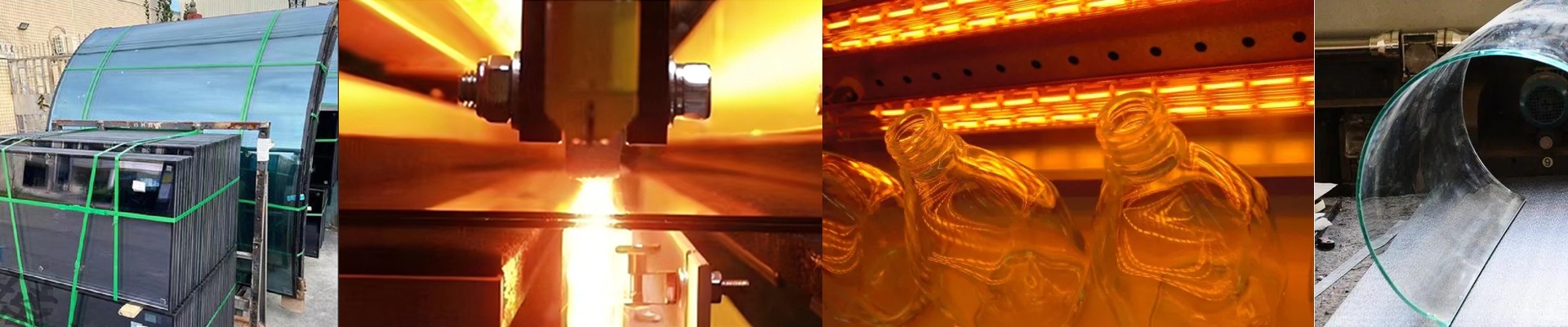
Let’s be honest: most infrared heating elements don’t just “wear out.” They get murdered by their environment. If you’re working in a shop with oil mist, dust, or constant moisture, that stuff eventually finds its way onto the quartz tube. It settles in, creates a nasty hotspot, and then—snap—the glass stresses out and cracks. It’s a frustrating cycle that kills your uptime. We decided to stop the bleeding by using IP65-rated enclosures for our replacement elements.
What IP65 actually does for you
When people hear “IP65,” they think of a spec sheet. But in the real world, it just means your heater is dust-tight and can handle a splash of water without panicking. We aren’t just slapping a plastic cover over the lamp and calling it a day. We use heavy-duty gaskets and sealed cable entries to keep the core totally isolated. This keeps water away from the energized terminals, which is where things usually go sideways. Think about it: if a drop of water hits a screaming-hot quartz tube, you get instant thermal shock. The glass shatters. By locking the element away, we kill that risk entirely.
The battle against fog
Then there’s the fogging issue. You know the deal—humidity hits a cooling element, a layer of moisture forms, and it acts like a magnet for every bit of floating grime in the air. That gunk bakes onto the surface and blocks the heat from actually reaching your part. Our design uses a sealed internal atmosphere. It keeps the moisture from cycling inside the housing, so the radiating surface stays clean. You get a steady, consistent heat across the whole tube, rather than some weird cold spots.
A few things to keep in mind
Now, there’s a trade-off. Adding a shield puts a layer of material between the heat and your workpiece. It changes the emission profile a bit. You might find you need to move the heater a little closer or let the part sit under the heat for a few seconds longer to make up for that slight absorption. It’s a small price to pay for a heater that actually lasts. One last tip:be careful during install. Make sure those gaskets are seated perfectly flush. If you pinch a seal, the IP rating is gone. If moisture seeps in through a bad seal, the element will actually burn out faster than if it were just sitting in the open air. Just use the right torque on the bolts—tight enough to seal, but not so tight that you crack the housing.