Dealing with “Cold Spots” in Complex Glass Annealing
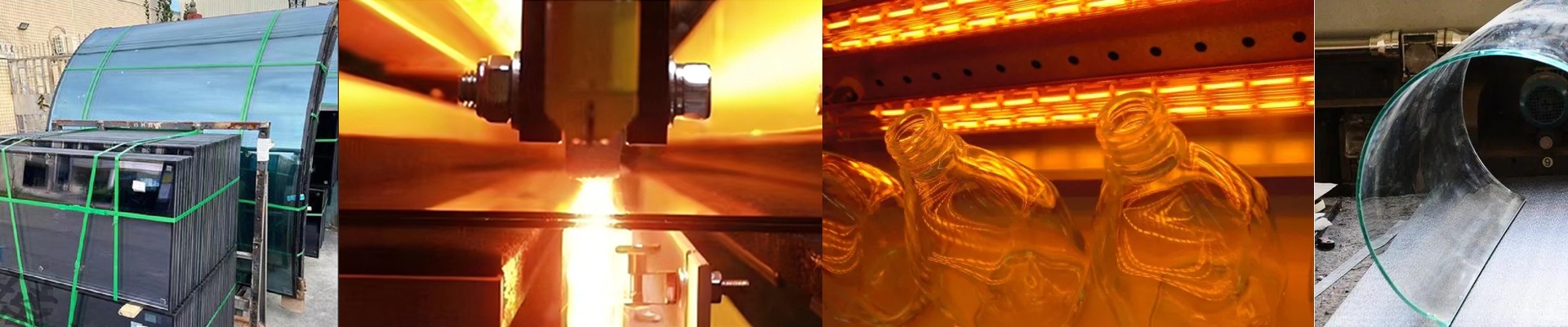
Ever tried annealing a piece with a weird shape—maybe a narrow neck or a flared rim—only to find it cracked later? It’s frustrating. The problem is that standard convection kilns have “dead zones.” The heat just doesn’t get into those tight corners or deep cavities, leaving you with uneven temperatures. That’s where shortwave infrared (IR) lamps come in. Instead of relying on hot air to drift around the piece, IR radiation hits the glass surface directly. It’s like the difference between trying to warm up a room with a space heater versus standing in the sun. You can actually target the spots that usually stay cold. How it actually works We set these heaters up with high power densities so the heat sinks in fast. But the real trick is the layout. By arranging the lamps in a multi-angle array, you hit the glass from a few different directions. This stops the vessel from “shadowing” itself. The light energy turns into heat the second it hits the glass wall. This gets rid of those hidden internal stresses that cause a piece to spontaneously shatter after it cools down. No one wants to see a finished project explode on the shelf. The gear and the setup Most of these lamps use tungsten filaments and quartz envelopes. We’ve got different lengths and wattages, so they should fit right into the kiln you already have. One small tip: pay attention to your connectors. Whether you go with R7s or Sk15, pick something that lets you swap out a burnt-out tube quickly. You don’t want a maintenance job to eat up your entire afternoon. But be careful with the power. A high-wattage lamp packs a punch. If you crank it up without a solid PID controller to throttle the energy, you’ll end up with “hot spots” that warp the glass. You need a system that’s fast enough to dial things back the moment the glass hits its annealing point. Why bother? Using IR for stress relief is just faster. You aren’t waiting forever for a “slow-soak” convection cycle to do its job. The temperature stays uniform across the whole part, which means you throw away fewer rejects. Plus, you might find you don’t need a massive, oversized kiln just to get the job done. It just makes the whole process feel a lot smoother.