Why Your Bathroom Heater Needs Quartz Tubes (And Why It Matters)
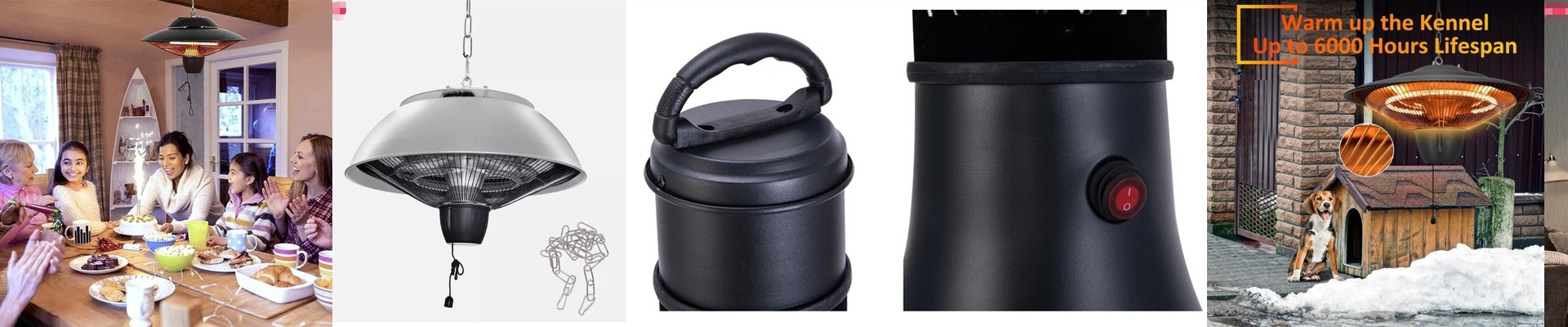
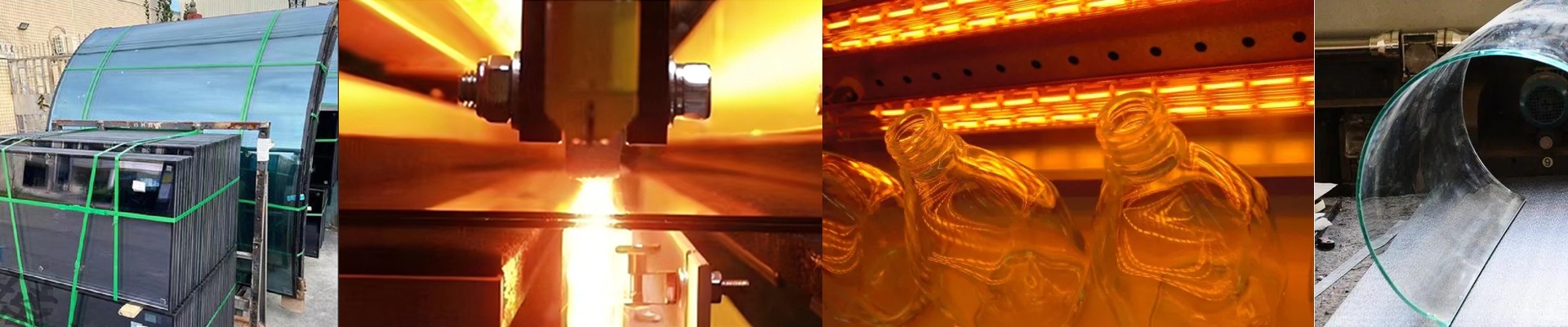
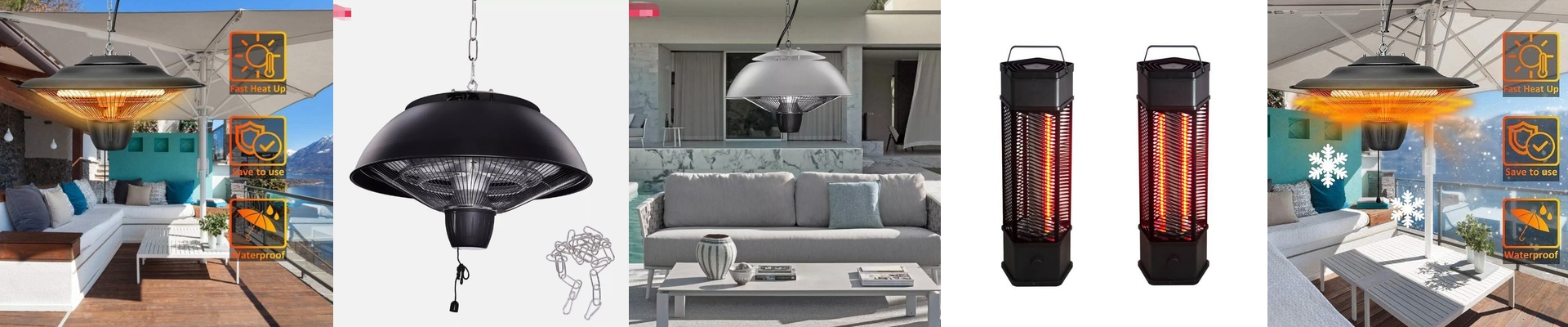
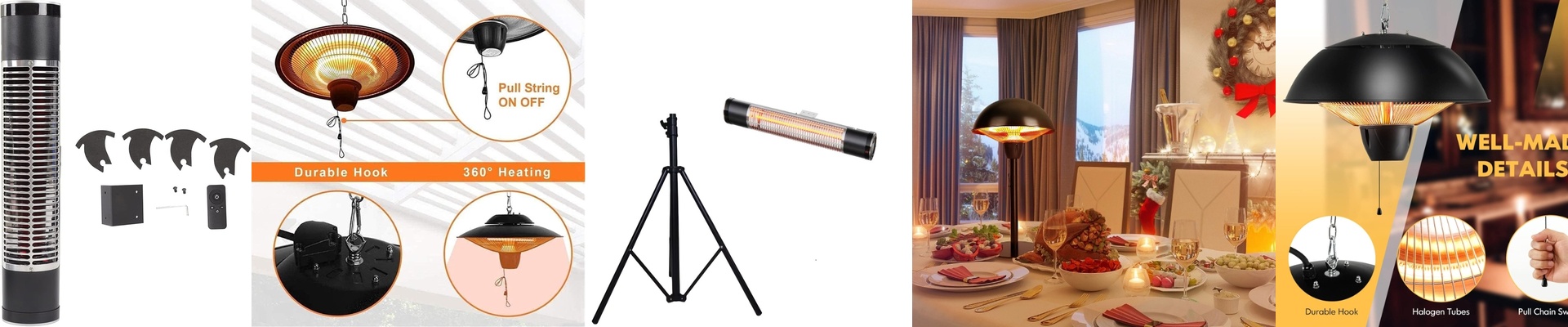
Let’s be honest: bathrooms are a nightmare for electronics. You’ve got steam everywhere, water splashing left and right, and temperatures that jump from freezing to sauna-level in five minutes. Most standard heating elements just can’t hack it. They get hit with a sudden temperature shift, the glass cracks, and suddenly you’ve got an electrical short right above your head. Not exactly the vibe you want while stepping out of the shower. The secret is in the quartz. We use high-purity quartz glass for these tubes because it doesn’t freak out when things get hot. In the industry, people call it “explosion-proof.” That sounds a bit dramatic, but what it actually means is the glass can handle a cold drop of water hitting a surface that’s 800°C without shattering into a million pieces. If you go with the cheap stuff—like basic borosilicate glass—the tube will eventually pop. And having glass rain down in a shower stall is a safety nightmare. Getting that “instant” warmth Tucking the heater into the ceiling is a smart move. It keeps the wires away from the steam and saves space. These units use shortwave infrared, which is a bit of a magic trick. Instead of trying to heat up all the air in the room (which takes forever), the heat travels straight through the air and hits your skin. You feel it immediately. It’s that cozy, sun-on-your-back feeling. But here’s the catch: shortwave tubes run incredibly hot. You have to make sure the ceiling housing has proper venting or is made from materials that won’t scorch your drywall over time. Keeping it safe The real hero here is the seal between the quartz tube and the housing. We use high-temp gaskets to make sure moisture stays far away from the electrical terminals. If water leaks into the socket, your GFCI is going to trip, and your morning just got a lot colder. Do yourself a favor and check those seals once a year. Once the gaskets wear out, moisture gets in. At that point, it doesn’t matter how great the quartz is—the element is going to burn out.