Engineering for Damp Spaces: The Real Deal on Infrared Heater Safety
When we’re talking about putting an infrared heater in a bathroom, we’re not just aiming to crank out heat. We’re thinking about a tough environment—one where moisture never takes a day off. And when it comes to electricity, there’s no room for compromise. The whole point? Total electrical isolation. We get there by carefully choosing materials and a design that keeps power and water strictly apart.
The Heart of It: Power, Voltage, and Staying Separate
The safety system all comes down to the electrical design. We run these heaters on a standard, isolated low-voltage supply. That means the current stays completely separate from the main power. The heating element itself is built to handle serious wattage without breaking that insulation barrier. And every connection point is sealed tight against moisture. So even when the room is thick with steam, the guts of the heater stay bone-dry. It’s not just about keeping things dry. It’s about making sure the whole electrical circuit stays rock-solid, no matter what the environment throws at it.
The Secret Weapon: The Quartz Barrier
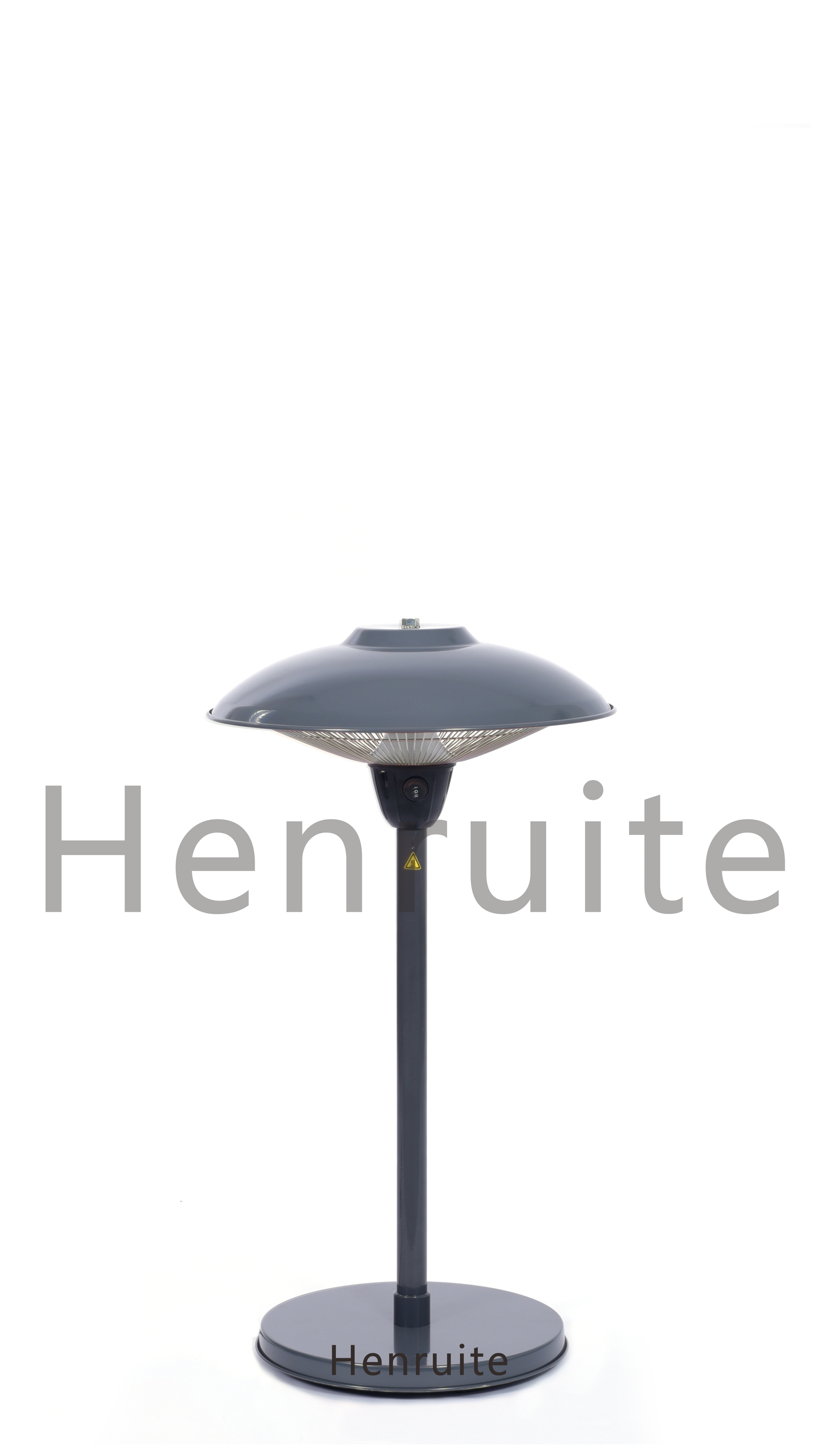
We build the heating element inside a high-purity quartz tube. Why quartz? It’s tough as nails against sudden temperature swings, and it keeps its dielectric strength even when it’s blazing hot. The filament inside is completely isolated from the outside surface, which stays safely cool to the touch. The terminals live inside a fully sealed, IP-rated ceramic or polymer base. This setup stops any current leakage before it even starts. Now, there’s a small trade-off. The quartz takes a moment to fully warm up. But once it does? It holds steady, and it holds safe.
Why It Works: Reliable Heat Where You Need It Most
In a bathroom, this design is a straight-up, drop-in solution for spot heating. No risk of short circuits. The sealed build keeps water far away from any live parts, which means no chance of electric shock. For you, the engineer, that means an installation you can trust—one with a seriously low failure rate. This heater can handle the daily grind of humidity and still deliver that consistent, comforting radiant heat. It’s a practical, hard-wired way to get comfort, with safety as the non-negotiable priority.