
Stop the Bathroom Mold Battle Before it Starts
Most of us just think of those ceiling heat lamps as a way to keep from shivering when we step out of the shower. But there’s actually some pretty cool science happening up there. We didn’t just build these to warm up the air—we built them to hunt down moisture and kill the mold problem at the root.
How it actually works
Here is the thing: most heaters just warm the air, which doesn’t do much for those damp corners. We use something called short-wave infrared. Instead of heating the room, the energy goes straight through the surface and shakes up the water molecules. It basically forces the water hiding in your tiles and grout to evaporate way faster. By hitting those cold walls directly, you stop the “dew point” from happening. No condensation means no feast for mold spores. Simple as that.
The guts of the machine
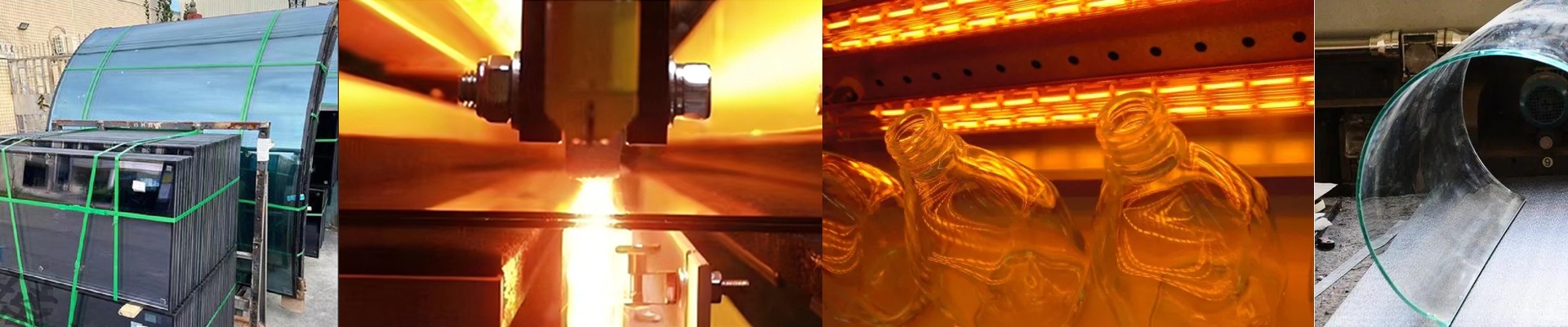
We use high-purity quartz glass for the bulbs. Why? Because it lets the heat pass right through without trapping it in the glass. Inside, there’s a halogen-cycled tungsten filament that keeps the temperature steady so you don’t get weird fluctuations. But you have to get the sizing right. If you pick a wattage that’s too low for your room, you won’t actually dry anything out. On the flip side, if you go way too powerful without a good vent, you might burn out the filament faster than you’d like.Balance is key.
Setting it up and keeping it running
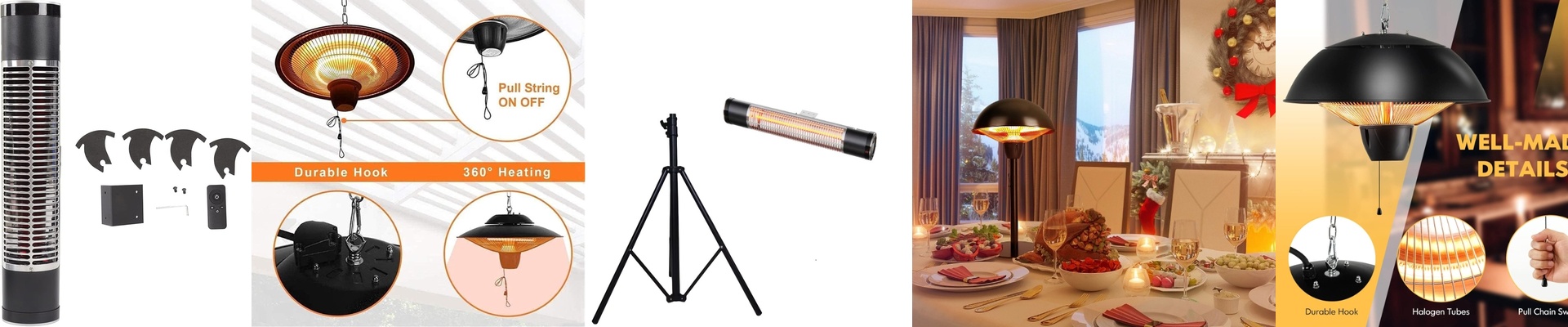
These are designed to pop right into your existing ceiling fixtures. Just double-check that your housing is built to handle high heat. The surface of that quartz gets incredibly hot, and if the air can’t move, you might see the fixture warp over time. And a pro tip: keep the tubes clean. It sounds minor, but dust and soap scum create “hot spots” on the glass. When one spot gets way hotter than the rest, the glass can crack from the stress. A quick wipe-down every now and then saves you from buying a new unit.