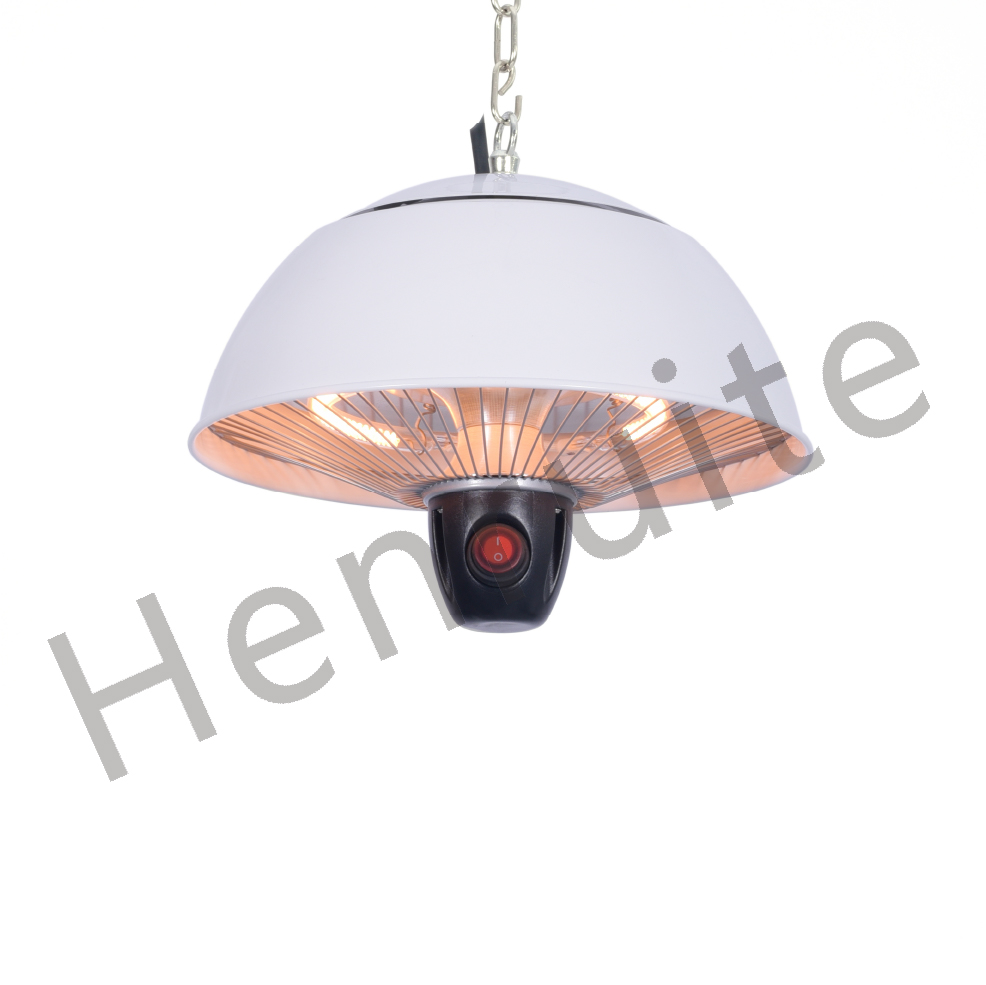
Making Your Outdoor Heat Actually Smart
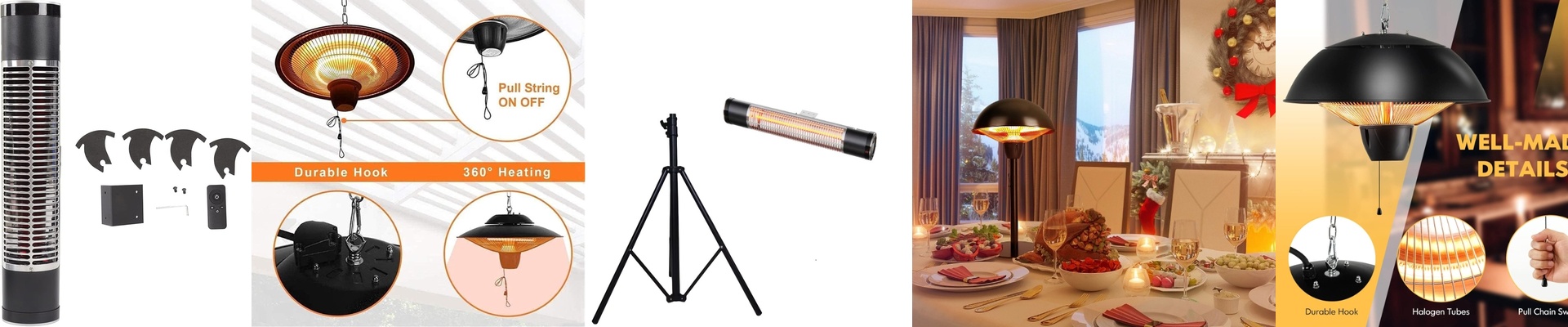
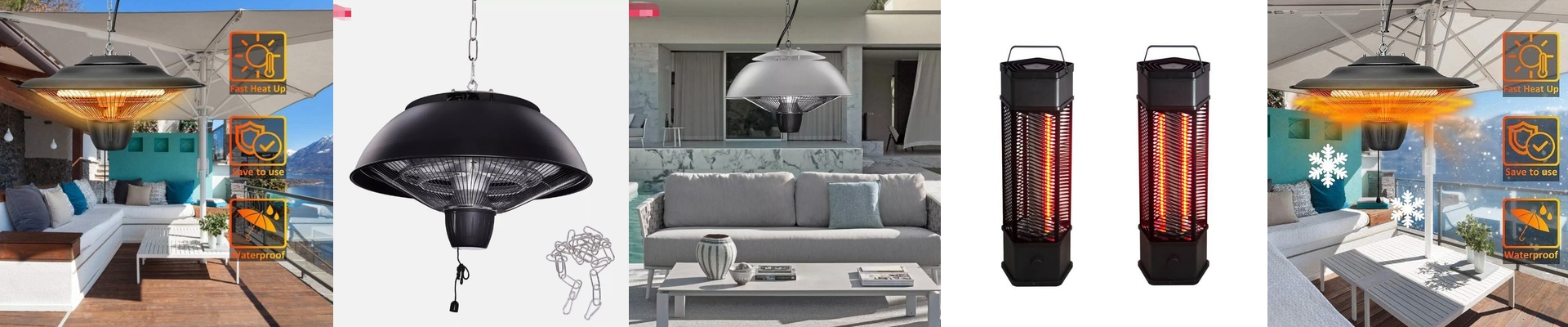
We build IP66 infrared heaters because nature is brutal. Rain, snow, dust—it all wants to kill your electronics. But honestly? The hardware is the easy part. The real headache is the wiring. Trying to plug high-wattage heaters into a smart home system without frying your circuits or dealing with a laggy app is where things get tricky. The Gear: Beating the Weather When we talk about an IP66 rating, we’re basically saying these things are sealed tight. We use heavy-duty gaskets and alloys that don’t rust, just to make sure moisture never touches the electrical terminals. Inside, we use short-wave infrared elements. These are great because they don’t bother warming up the air around you—they just beam heat directly onto you and your guests. It’s that cozy, instant feeling you get the second you flip the switch, even if there’s a freezing wind ripping through your patio. The Setup: Getting it to “Talk” If you want that “one-click” magic from your phone, you can’t just wire a smart hub directly to the heater. Do that, and you’ll fry your controller in seconds. Instead, we use a heavy-duty relay or a smart contactor. Think of it as a middleman. Your smart hub sends a tiny, low-voltage signal to the relay, and the relay does the heavy lifting of closing the high-voltage circuit to get the heat flowing. If you’re planning this out right now, stick with a Zigbee or Matter-compliant gateway. You want the heat to hit the moment you tap the app. Waiting five seconds for a “command” to travel through your network is just annoying. A Few Things to Watch Out For Here’s the thing: infrared heat pulls a massive amount of power. If you’re putting in four 2000W units, you’re looking at 8kW. That’s a lot. Make sure your wiring and breakers are sized for a continuous load. Please, for the love of everything, don’t use cheap smart plugs. They’ll melt. Stick to industrial-grade relays. And a quick tip on where you put them: don’t mount them too low. If the heater is too close to your smart sensors, it’ll trick them into thinking the whole yard is 100 degrees. The system will shut itself down before you’ve even had a chance to get warm.