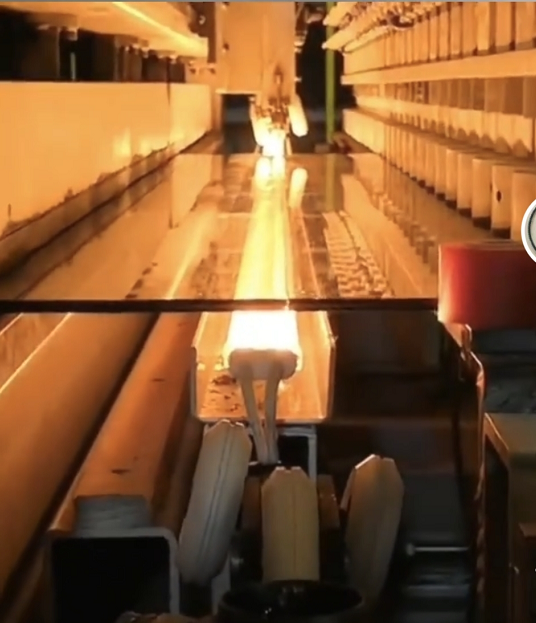
Getting Your Glass Preheating Right: The Secret is in the Spectrum
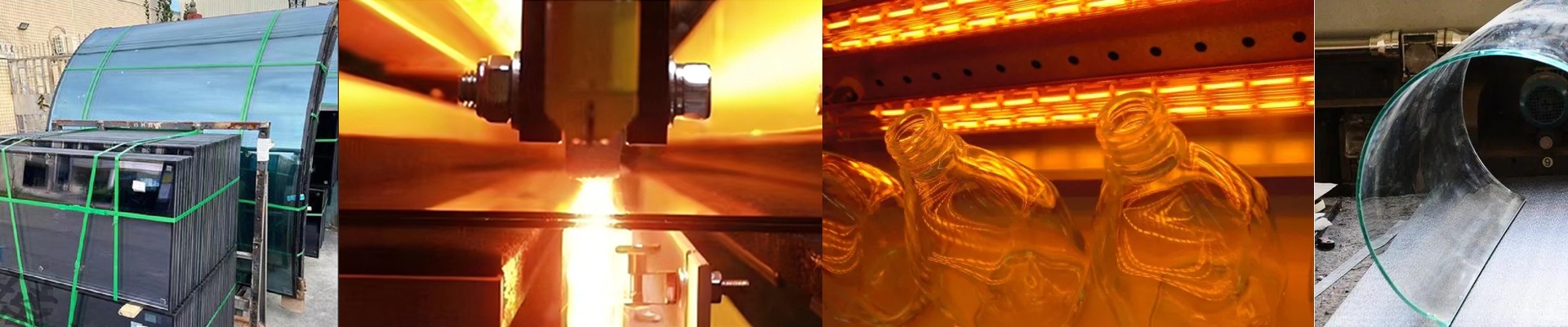
Most infrared lamps just blast a wide range of heat. For basic glass work, that’s usually plenty. But things get tricky when you start adding chemicals or dopants to your melt. Here’s the thing: those additives change how the glass “sees” heat. The material starts absorbing energy only at very specific wavelengths. If your lamp isn’t hitting those exact spots, you’re basically just heating up the air in the room. It’s a waste of power and a waste of your time. Matching the heat to the material We fix this by tweaking the filament and the quartz coating on the lamp. Instead of a “one size fits all” blast, we shift the emission curve to hit the exact absorption bands of your specific additives. It means the heat actually sinks into the glass instead of just bouncing off the surface. You get a faster ramp-up and the inside of the piece heats up just as much as the outside. The trade-off (because there’s always one) To get this kind of precision, we usually move into specialized short-wave or medium-wave emitters—typically in the 1.0 to 3.0 micron range. But heads up: when you narrow the window to hit a specific peak, you lose some of that raw, blunt-force wattage you get from a standard halogen tube. You might need a few more lamps in your array to keep the same amount of heat flowing. It takes up a bit more space, but the results are worth it. Why this actually matters in the studio If you’ve ever had a piece crack because the “skin” got too hot while the core stayed cold, you know how frustrating thermal shock is. It’s a nightmare. Tuning the spectrum stops that surface scorching. The heat soaks deep. And the best part? Your team spends less time staring at a timer waiting for the glass to reach working temp and more time actually shaping the art. Plus, we can build these to your exact specs, so they just slide right into the jigs you’re already using. No need to rebuild your whole setup.