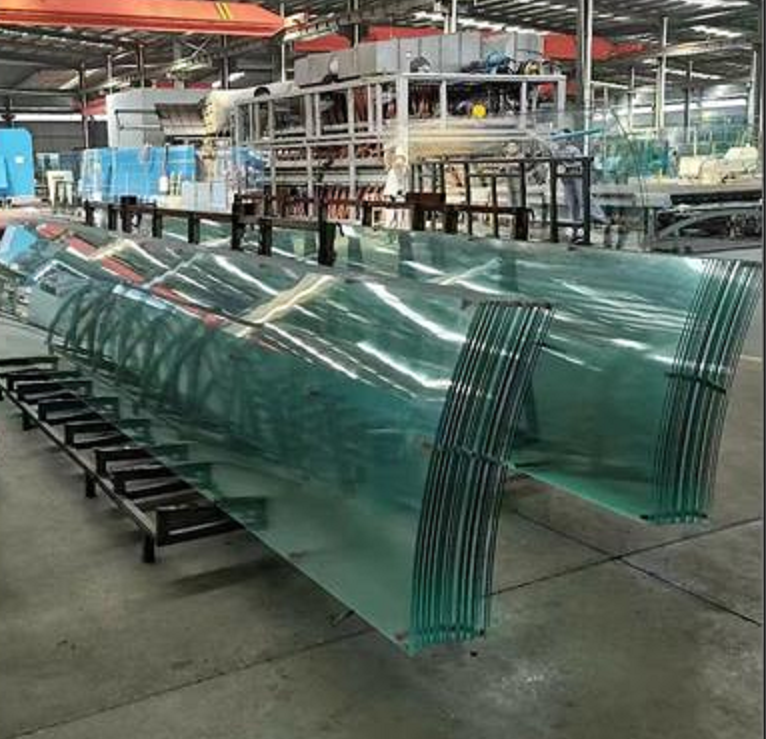
The Struggle with Wide-Format Low-E Glass Preheating
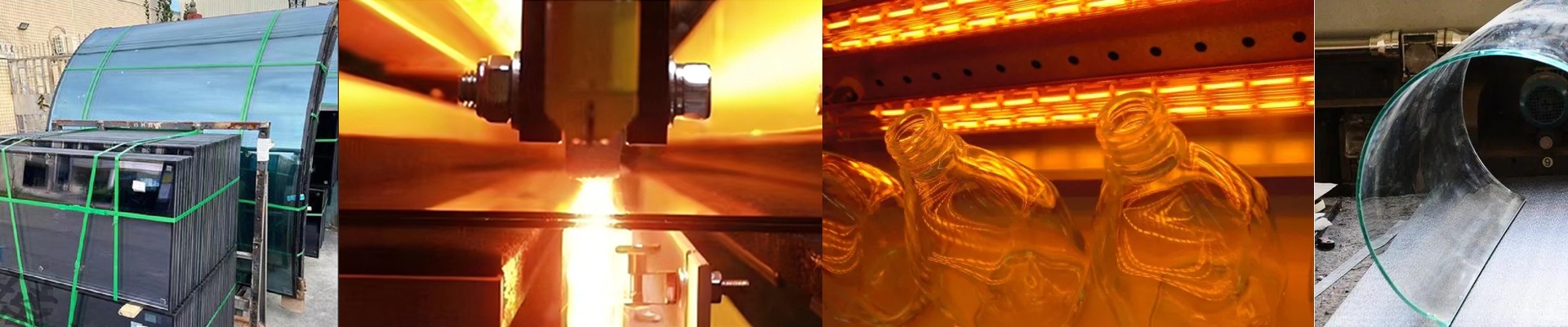
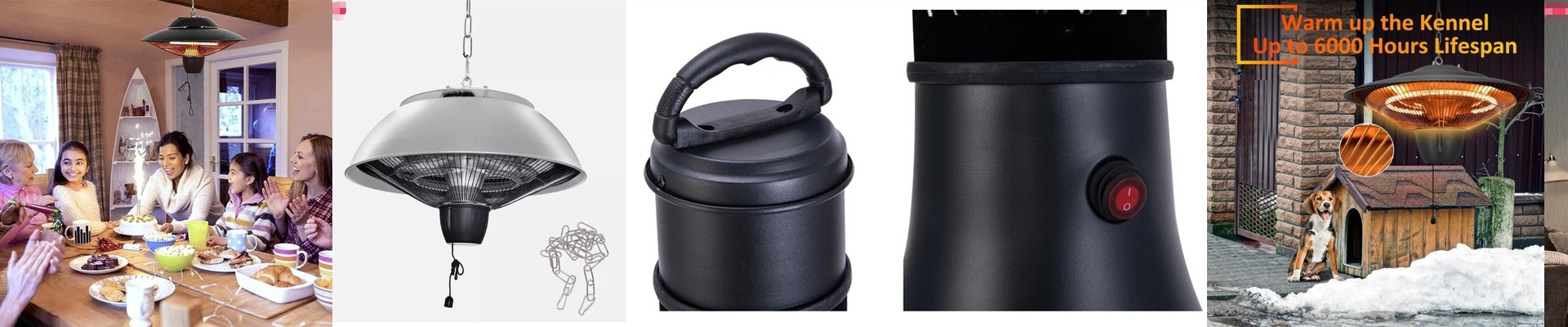
If you’ve ever tried to preheat wide-format Low-E glass, you know the headache of “cold spots.” It usually happens because you’re using a bunch of shorter lamps overlapped together. Those seams are a nightmare—they leave gaps in the heat that can ruin your consistency. To get around this, we started building single-tube infrared units that stretch over 3 meters. No seams. Just one long, steady line of heat. Getting the heat right Here’s the thing: you can’t just stretch a filament to 3 meters and call it a day. The electrical resistance changes. If the wattage is too low, the edges of your glass stay cold. Too high? You’ll burn out the center of the filament in no time. We spend a lot of time balancing the ohms. It’s a bit of a tightrope walk, but it’s the only way to make sure the heat is flat and even from one end to the other. The fragility factor A 3-meter quartz tube is a delicate beast. If you don’t support it perfectly, it’ll actually sag under its own weight. We use high-purity quartz to handle the expansion, but the real secret is in the mounting. Be careful with your brackets. If there’s a single pinch point or a bit of mechanical stress during installation, that tube is going to crack the second it heats up. It’s a heartbreaking sound. The trade-offs There are some great perks here. Your control cabinet stays way cleaner because you have far fewer power connections to wire up. It just makes the whole setup simpler. But, there’s a catch. Since it’s one long tube, it’s a single point of failure. If one tiny section pops, the whole thing goes dark. You can’t just “patch” a quartz tube. My advice? Keep a few full-length spares sitting on the shop floor. It’s much better than staring at a dead line while your production stops. Also, make sure your cooling system is beefy enough to handle all that radiant heat concentrated in one spot.