Dealing with “Cold Spots” in Tricky Glassware
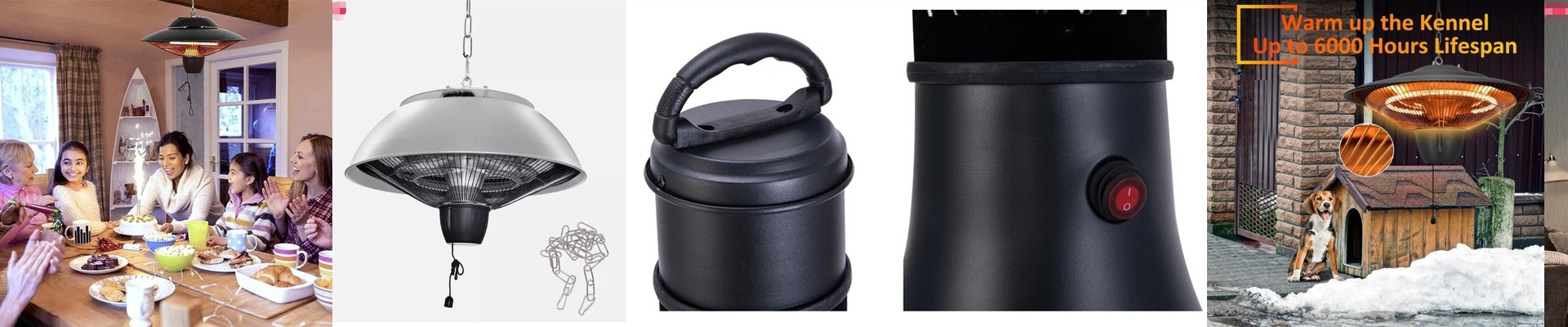
If you’ve ever tried to anneal something with a weird shape—like a narrow-neck vial or a complex flask—you know it can be a total nightmare. Standard convection heating just doesn’t cut it. The hot air misses those tight curves and deep pockets, leaving you with “dead zones.” And we all know what happens then. The glass cools unevenly, internal stress builds up, and crack. There goes your hard work.
Why we go with Medium-Wave IR
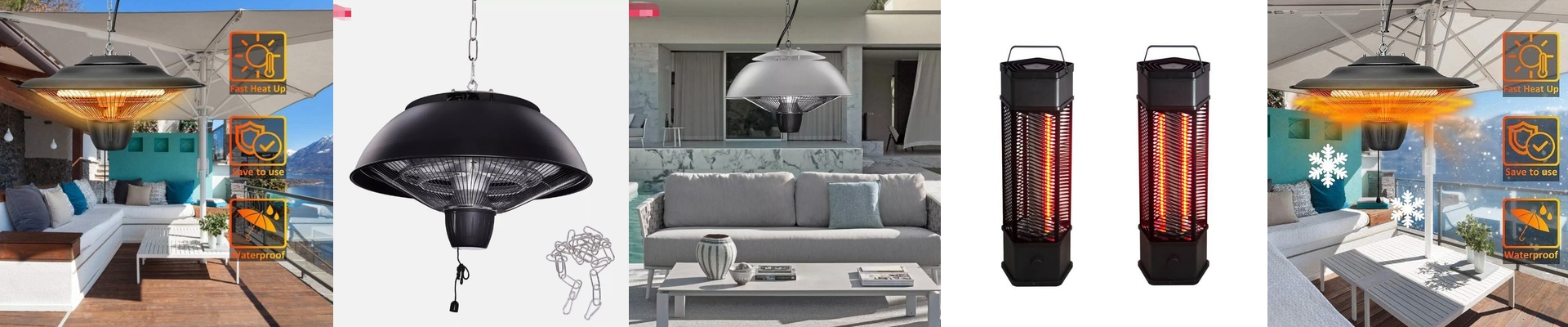
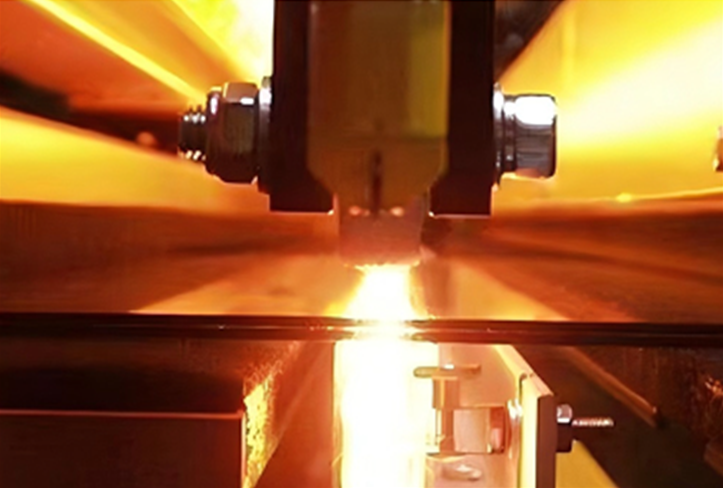
We use medium-wave infrared lamps because they hit that sweet spot. Short-wave lamps often overshoot the mark, and long-wave heaters barely make a dent in the glass wall. Medium-wave is different. It actually hooks into the silica structure of the glass. This means the heat doesn’t just sit on the surface; it actually gets deep into the core of the wall.
Getting around those awkward shapes
You can’t just throw one heat source at a complex piece and hope for the best. Instead, we set up arrays of medium-wave tubes in a multi-angle grid. By staggering the lamps at different heights and offsets, we can basically “bounce” the radiation into the shadows of the container. It reaches the spots where the air simply can’t flow.
The trade-offs (The “Catch”)
High-wattage tubes are great for speeding up your cycle times, but they come with a quirk. Running these lamps at full blast puts a lot of thermal stress on your kiln’s chassis. You’ve got to make sure your housing is insulated properly and your control loops are dialed in. If you just crank them up without precise PID control, you’ll end up with hot spots. And thermal shock is just as bad as a cold spot.
Putting it into practice
The trick is to wire these lamps into a zoned control system. This lets you tweak the heat for the neck and the base of the vessel separately. It’s the difference between using a generic oven and having a precision tool that actually does what you want it to do.