

Stop Your Glass Beads From Cracking
There’s nothing more frustrating than watching a batch of glass beads shatter because the temperature shifted too fast. It happens in a blink. You heat them up too quickly or cool them down too abruptly, the internal stress builds up, and snap—you’ve got a pile of scrap. The trick is avoiding those steep temperature jumps. We handle this using shortwave infrared (IR) lamps that can change power levels almost instantly.
Why Speed Matters (The Tech Stuff)
If you’re using old-school resistive coils, you’re fighting “thermal lag.” They take forever to warm up and even longer to cool down. Shortwave IR lamps are different. They hit full blast in milliseconds. When you pair these lamps with an SCR or a fast PID controller, you can basically “throttle” the heat in real-time. Instead of hitting the glass with a wall of heat, you can gently ramp the temperature up. It’s a much smoother curve. You keep the glass just above its strain point without scorching the surface. It’s the difference between a sudden shock and a steady warm-up.
The Gear and the Heat
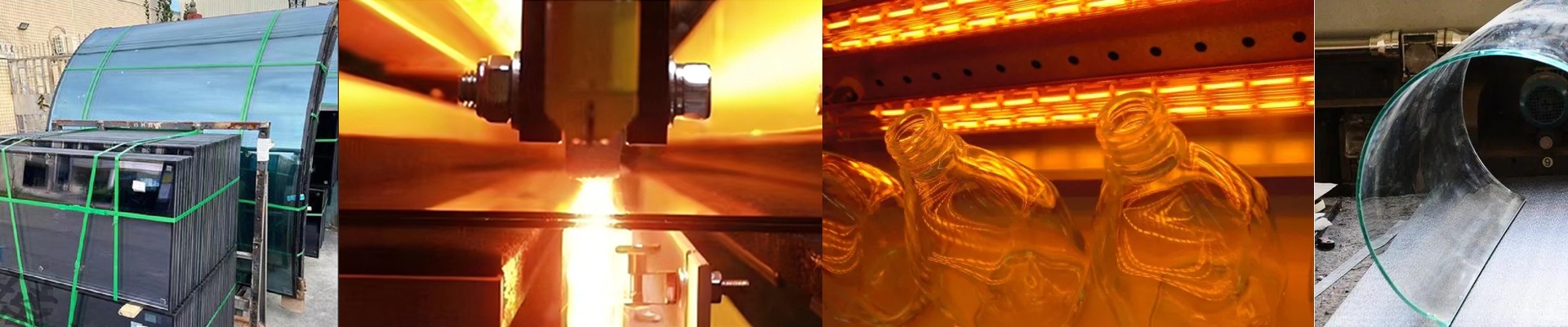
We usually go with high-wattage quartz halogen tubes. The reason? Shortwave radiation actually sinks into the glass rather than just bouncing off the surface. This makes sure the core of the bead gets hot enough to anneal properly, not just the outer skin. Because these lamps are so powerful, you can keep your annealing tunnel pretty compact. You get a ton of heat in a small space. But here’s the catch: that much power puts a real strain on your wiring. If you’re packing 2kW+ lamps into a tight array, make sure your electrical panels can actually handle the draw. Otherwise, you’ll be tripping breakers right when you’re hitting your peak ramp-up.
Making it Work in the Real World
Getting this onto a production line takes a bit of finesse. You need connectors that can handle the constant expanding and contracting as the system heats and cools. And you have to be careful with where you point the lamps. Shortwave IR is incredibly efficient at moving heat, but it doesn’t discriminate. If you aren’t careful, it’ll bake your conveyor belts or melt your seals. It’s all about the positioning. You want to hit the beads dead-on, but keep the machine frame cool. Get that balance right, and everything just flows.