
Why that 0.1°C Difference is Everything in Glass Stress Removal
Ever had a piece of lab glassware just… explode? No warning, no impact, just a sudden shatter during a routine sterilization or a reaction. It’s a nightmare. Usually, it happens because of internal stress. If you cool borosilicate glass too quickly or unevenly, you basically lock tension into the material. It’s like a coiled spring waiting for an excuse to snap. To fix this, we use precision annealing. We heat the glass back up to its annealing point and then bring the temperature down very, very slowly.
The struggle with thermal gradients
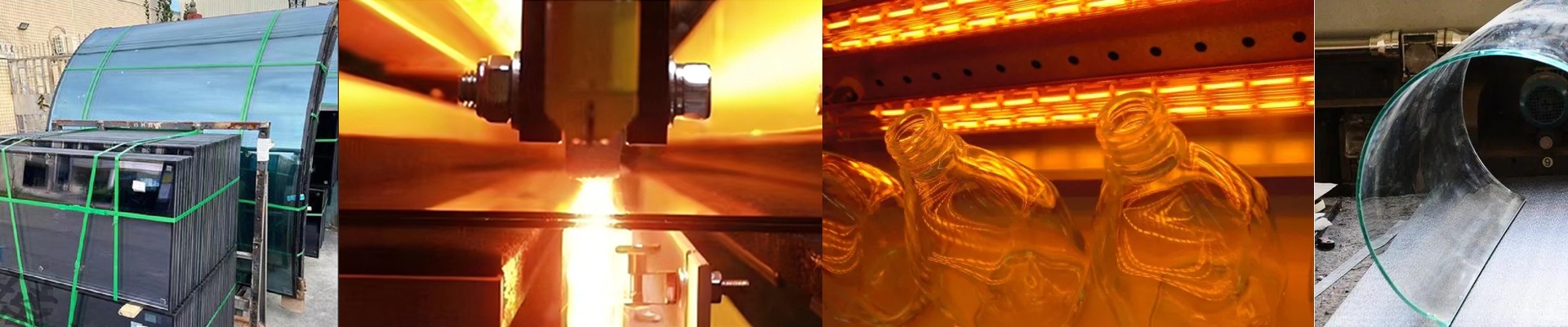
When you’re working with complex shapes, things get tricky. If one part of the glass wall is even 1°C warmer than the other, you’ve got a thermal gradient. The irony? While you’re trying to remove old stress, you’re accidentally creating new stress. That’s why we lean on infrared (IR) elements. Standard convection ovens just heat the air, which is slow and clunky. IR is different. It’s direct radiant energy that hits the glass surface immediately. It’s much more “honest” heat. But here’s the catch: to avoid thermal shock, your control loop needs to be precise to 0.1°C. That tiny window is what keeps the glass in the sweet spot long enough for the molecules to settle without accidentally melting the whole thing.
The gear you actually need
You can’t pull this off with cheap hardware. You need a rock-solid IR emitter and a PID controller that reacts instantly. We usually go with short-wave IR because it’s fast. But be careful—high-density IR pulls a lot of power. If you’re running a large chamber, don’t skim on the wiring. If your gauge is too thin, you’ll get voltage drops, and suddenly your temperature readings aren’t telling you the truth anymore.
Making it work in practice
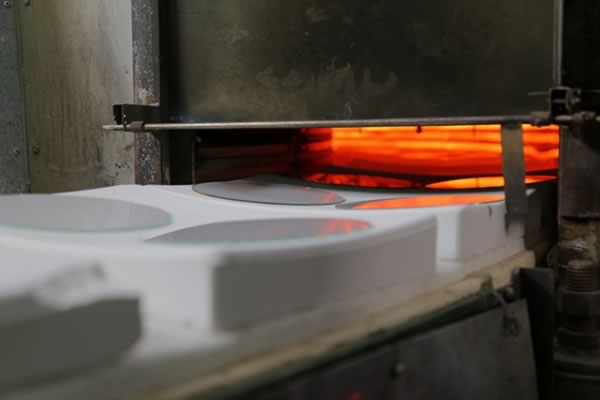
You can’t just blast the glass with heat and hope for the best. We use a multi-stage ramp-down. The IR elements adjust their power in real-time, listening to feedback from platinum resistance thermometers (PRTs). If a sensor drifts or an element starts to wear out, you’ll get “cold spots” on your vessel. It’s a silent killer for quality control. That’s why we’re big on regularly calibrating the IR array. You want to make sure the heat footprint is perfectly even across the entire piece, every single time.