Stop Wasting Power on Your Glass Annealing
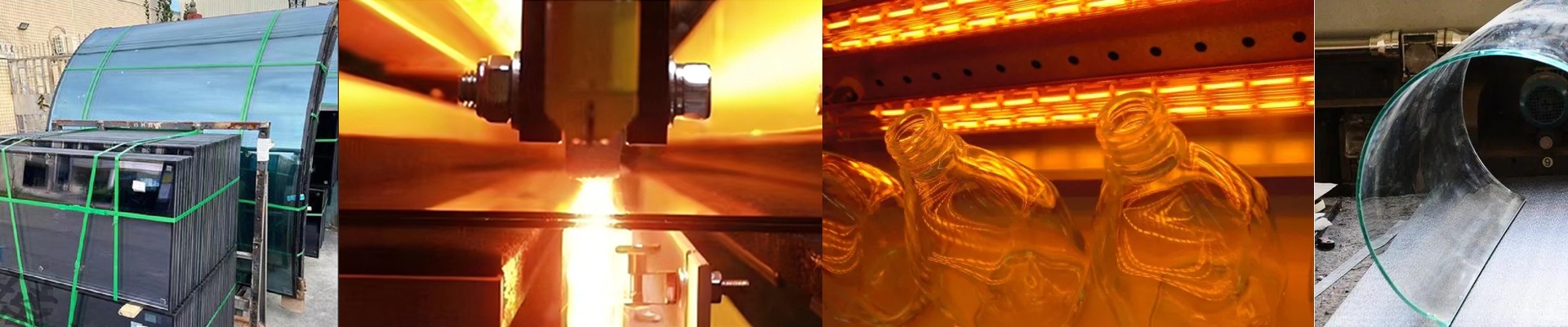
Let’s be honest: glass annealing is a power hog. Most plants are still clinging to old heating arrays that basically leak money into the air through convective loss. It’s frustrating to watch all that energy vanish. We’ve found a better way using twin-tube infrared lamps. Instead of one filament, we put two inside a single quartz envelope. It’s a simple tweak, but it doubles the heat density without taking up any more room on your floor. How it actually works Think of it this way: you’re cramming more wattage into a smaller space. By running two parallel elements, you increase the radiant surface area. The result? The heat hits the glass more evenly. No more worrying about those annoying cold spots, and you don’t have to leave the glass in the lehr nearly as long. A few things to watch out for on the shop floor When you’re wiring these in, you’ve got to get the voltage and wattage balance just right. High-wattage tubes are great because they ramp up fast—which is a win for your throughput. But there’s a catch. These lamps put out a lot of ambient heat. If your cooling fans aren’t up to the task, your connectors are going to fry. It’s a quick fix, but if you overlook it, you’re looking at premature burnout. The hit to your electricity bill Switching to shortwave or medium-wave IR changes the whole dynamic. The heat goes straight into the glass, not the surrounding air. You’ll notice the oven walls aren’t soaking up nearly as much energy. Less wasted heat means fewer kilowatt-hours per ton of glass. It’s a direct win for your bottom line. Now, this isn’t some “plug-and-play” miracle. You’ll need to spend some time with your PID controllers. IR responds way faster than old-school resistive heating, so if you don’t tune your loops, you’ll overshoot your annealing point and ruin your work. But once you get that dialed in? The shorter cycle times and lower idle power really start to show up in your monthly bills.