

Stop Trying to Force Square Pegs into Round Holes (or Straight Lamps into Tight Spaces)
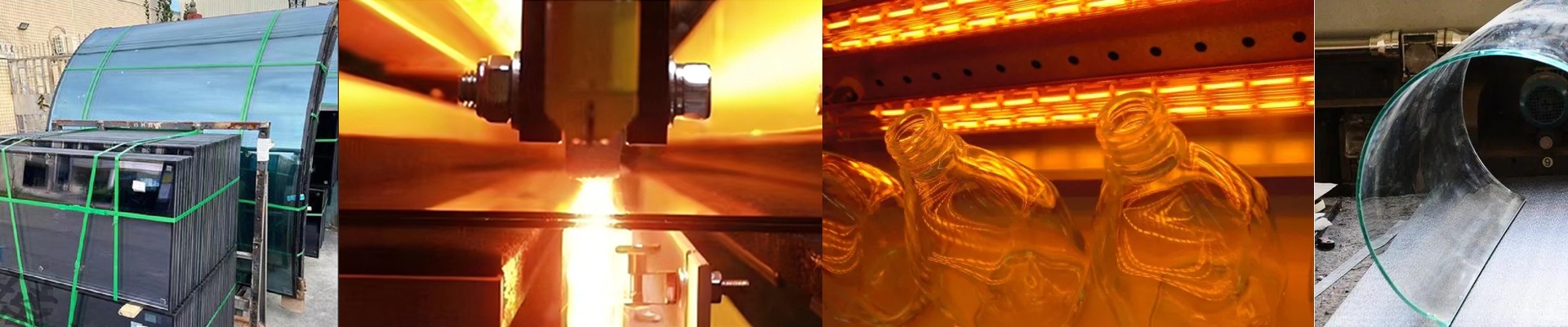
Let’s be honest: standard straight infrared lamps are great until they aren’t. The moment you’re dealing with a weirdly shaped bending furnace or a machine housing that feels like it was designed by someone who hates space, those off-the-shelf parts become a nightmare. You can’t just jam a straight lamp into a gap where it doesn’t fit. If you try, you’re looking at a burnout or a mechanical failure. It’s frustrating, and it’s expensive. That’s why we just build them to fit. Custom lengths, specific bends—whatever your machine actually needs to work.
The Trick to Heat in Tight Spots
Medium wave radiation is a bit of a sweet spot. It gets deeper into your materials than long wave, but it isn’t as aggressive on the surface as short wave. It’s balanced. But here’s the thing: when we change the shape or length of the tube, we’re basically moving the wattage around. You have to keep an eye on your watt density. If we bend a tube into a tight curve to fit a small furnace, the heat starts to bunch up at that bend. If your cooling fans or heat sinks aren’t up to the task, that quartz is going to soften and warp. It’s just physics.
It’s All in the Glass (and the Coil)
We use high-purity quartz because it can take a beating. These things run hot, and the last thing you want is a crack in the glass because the temperature spiked. By getting the geometry right, the heater becomes a simple drop-in replacement. No hacking, no praying it stays in place. But it’s not just about bending glass. The real magic is in the filament placement. That heating coil has to stay dead-center inside the quartz, even through the bends. If it shifts and touches the wall? You get a hot spot. And a hot spot is a death sentence for a lamp.
Real-World Stuff
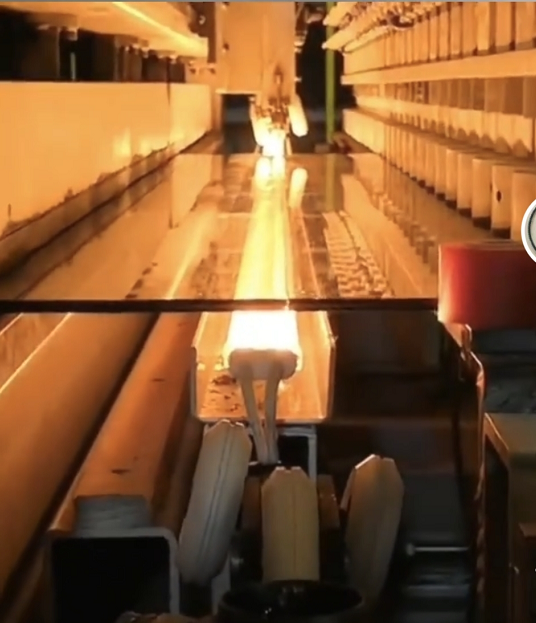
These custom tubes are for the messy, non-standard curing lines and specialty ovens where every single millimeter actually matters. When the fit is tight, you stop wasting energy heating up the frame of your machine and start putting that heat exactly where it belongs: on your workpiece. Just a quick tip: double-check your wiring leads. Make sure they’re long enough to handle the new shape before you plug everything in.