


Stop the Bathroom Damp: Why Infrared Actually Works
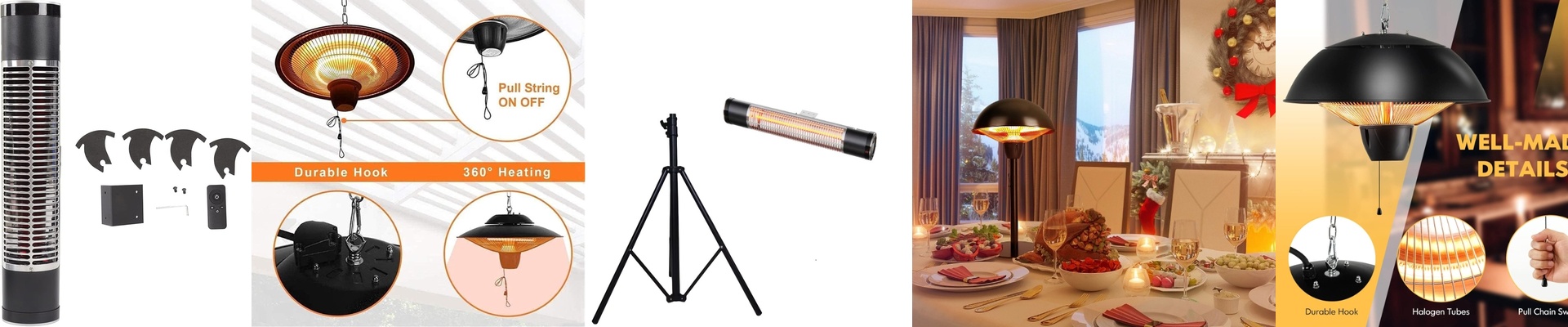
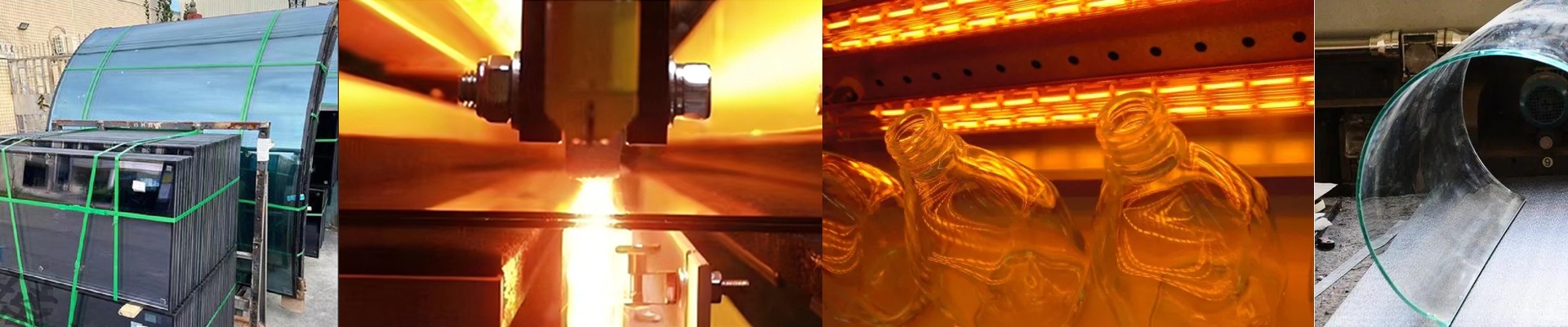
Most people see an infrared lamp in the bathroom and think, “Oh, a heater. Nice.” But it’s doing a lot more than just keeping you warm while you’re in a towel. Here’s the thing: standard heaters just warm up the air. The problem is that air moves. It leaves the cold corners and the damp walls alone, which is exactly where condensation loves to hang out. Infrared is different. Instead of fighting the air, it goes straight for the surfaces. It hits the walls and the ceiling directly, warming them up enough so that water can’t pool.No pooling means no drips. And that’s where the real win is: the mold. Mold loves a damp, stagnant spot to call home. By using short-wave IR, we can basically force the moisture out of the porous stuff—like your grout lines and tiles—and evaporate it fast. It’s like a targeted strike on the dampness. You aren’t just drying the room; you’re making the walls a hostile environment for mold spores. But you can’t just throw the most powerful lamp you can find into a tiny room. If you go overboard with the wattage in a small space, you’ll run into trouble. You might warp a plastic fixture or put too much stress on the ceiling mounts. It’s all about a balance between the heat output and how well your bathroom breathes. One last tip: keep an eye on the glass. If you have hard water, minerals will eventually build up on the quartz glass. It looks like a thin layer of grime, but it actually blocks the heat from getting through. Give it a quick wipe every now and then. Keep the glass clean, and the lamp keeps the mold away. Simple as that.