
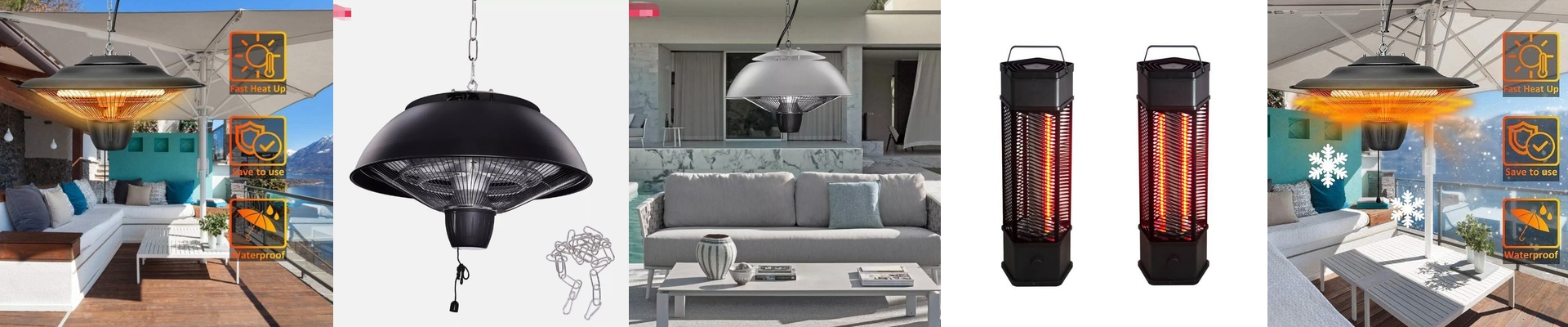
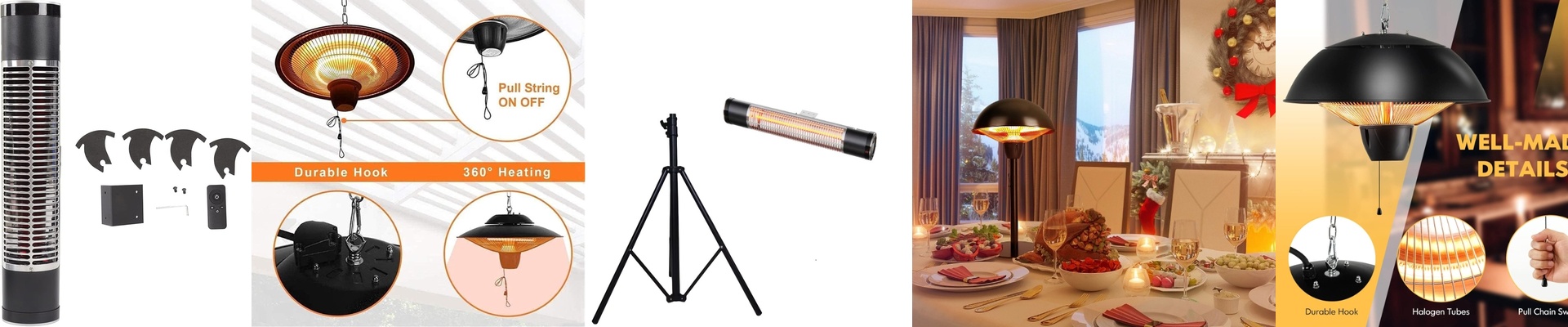
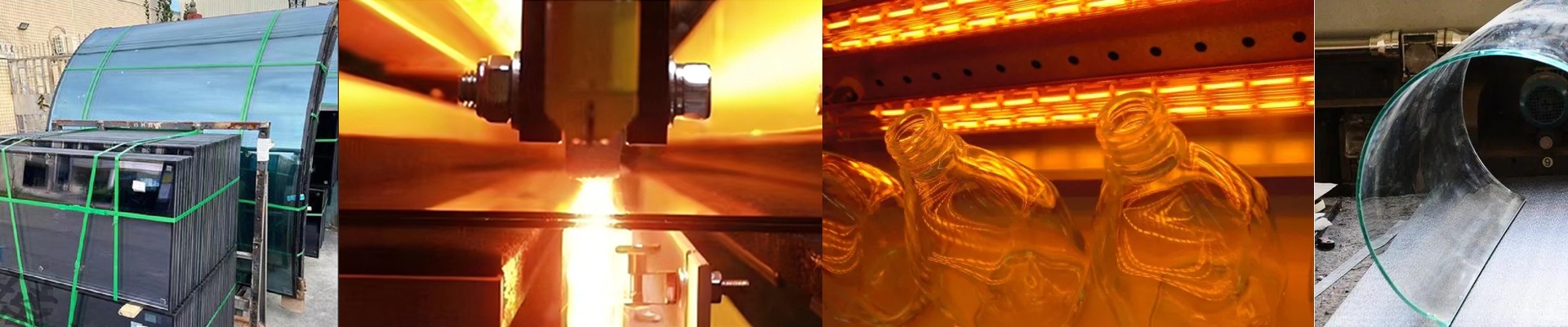
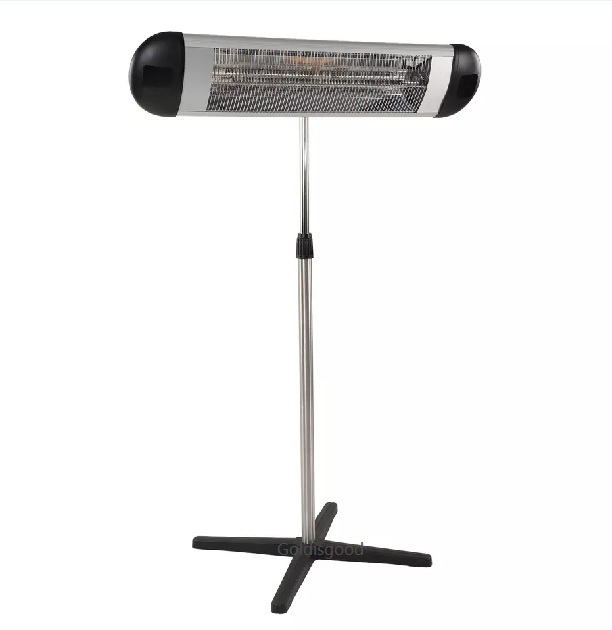
Putting an infrared heater in a bathroom is a bit of a gamble if you aren’t careful. You’ve got steam everywhere and constant moisture in the air. In a room like that, a basic heating element is basically a ticking time bomb. You need something that’s completely sealed off, or you’re just asking for a short circuit. Keeping the water out The real battle is won or lost at the seals. We lean heavily on high-temp silicone gaskets and IP-rated housings to keep the dampness from sneaking into the electrical terminals. Here’s the thing: the connection points are always the weakest link. If water vapor condenses on live contacts, you get “tracking”—which is just a fancy way of saying electricity starts crawling across the insulator. That’s how you end up with a burnt-out unit or a tripped breaker right when you’re stepping out of the shower. Staying grounded Safety isn’t just about the seals, though. The whole chassis has to be grounded. We use conductive alloys for the frame to make sure there’s a clear, low-resistance path to the earth. While the heating element itself sits inside high-purity quartz, the real magic happens at the mounting brackets. We use ceramic or reinforced polymer stand-offs. It keeps the hot, live zone totally separate from your ceiling. The hidden trade-off Now, there’s a catch. When you seal a heater tight to keep moisture out, you’re also trapping heat inside the housing. You can’t just throw a waterproof cover on a standard lamp and call it a day. If you do, the internal wiring will bake. That’s why we spec the wiring for much higher temperatures—usually between 150°C and 200°C. We use high-temp fluoropolymer cables because they can handle the heat. Without them, the insulation jacket melts, and your “waterproof” system fails anyway.