Making Your Patio Warm Again (Without the Headache)
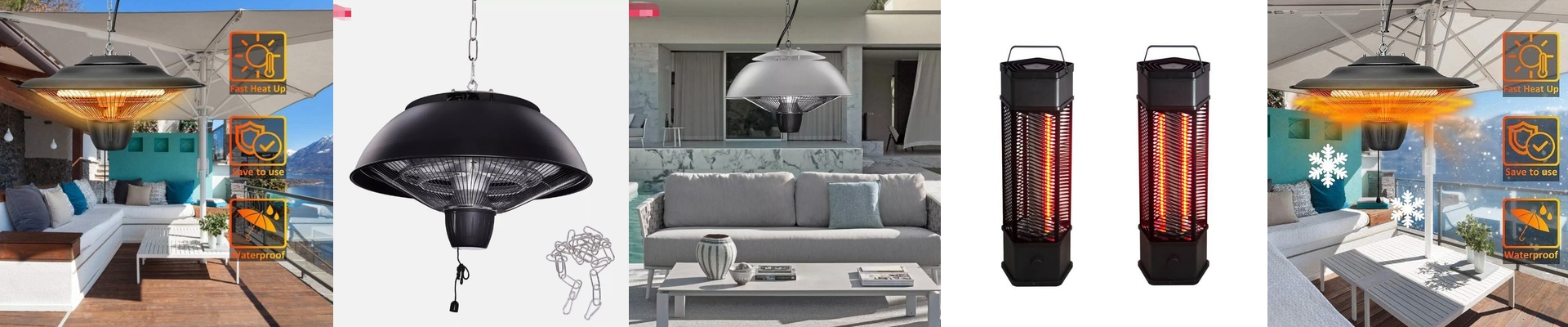
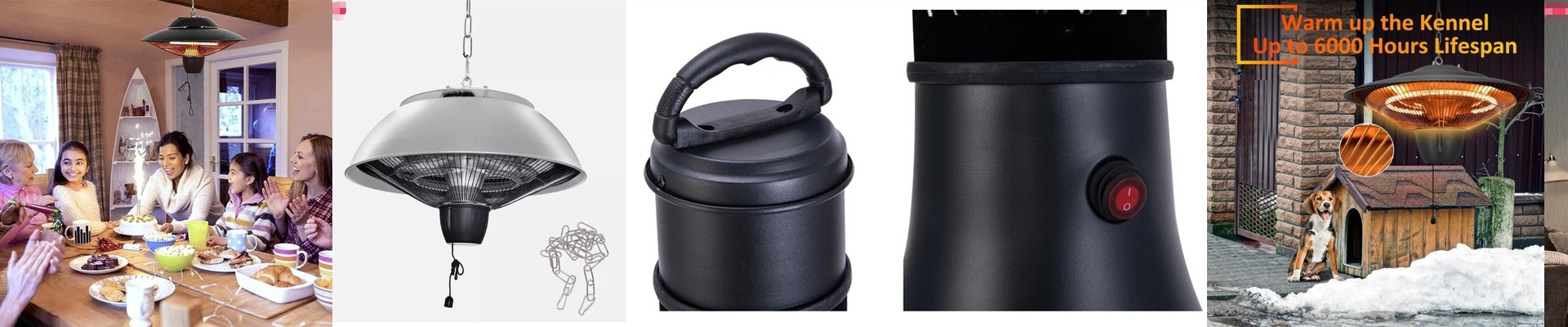
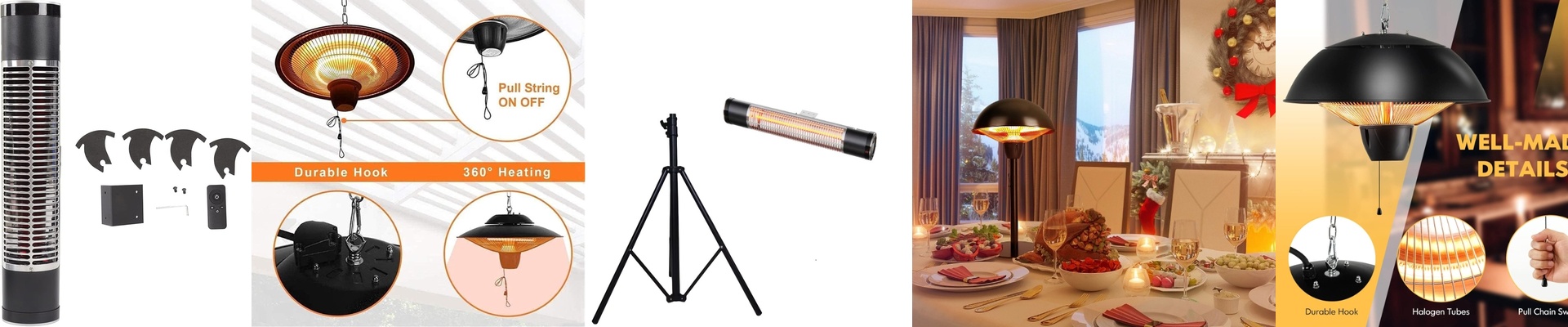
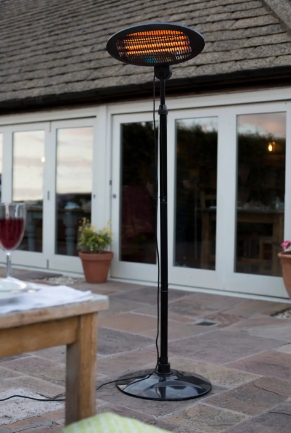
Let’s be honest: trying to heat an outdoor space with a standard heater is a losing battle. The second a breeze kicks up, all that warm air just vanishes. It’s frustrating. That’s why we stick with infrared. Instead of trying to warm up the entire outdoors—which is basically impossible—infrared goes straight for the people and the furniture. It feels like stepping into a patch of sunlight on a crisp October morning. It’s instant. No waiting around for the air to warm up; you just feel it immediately. The Gear Since this is going outside, we don’t mess around with the housing. Everything is waterproof and sealed tight so rain or snow won’t fry your electronics. To make it “smart,” we hook these up to controllers like Zigbee or Matter. All you do is tap a button on your phone, a circuit closes, and the heating element glows. There’s no “warming up” phase. It’s on in milliseconds. Setting It and Forgetting It The real magic happens when you let your home hub do the thinking. I love setting up a simple trigger: if the patio temperature dips below 10°C, the heaters just kick in on their own. We also use power controllers to keep things steady. This means the heat doesn’t just blast you in the face and then shut off; it stays at that perfect, cozy level without wasting a ton of electricity. The “Don’t Mess This Up” Part Here is the catch: these things are power-hungry. You can’t just plug a few of these into a regular extension cord and hope for the best. You’ll trip your breaker in about two seconds. If you’re putting in four 2000W units, you’re looking at an 8kW load. That’s a lot of juice. You’ll need to make sure your electrical panel can actually handle it. Plus, you need thick wiring. If the wires are too thin, the heaters furthest from the panel will feel weak. And please, for the love of everything, make sure they’re grounded properly. Since it’s outdoors and waterproof, you really can’t afford to cut corners there.