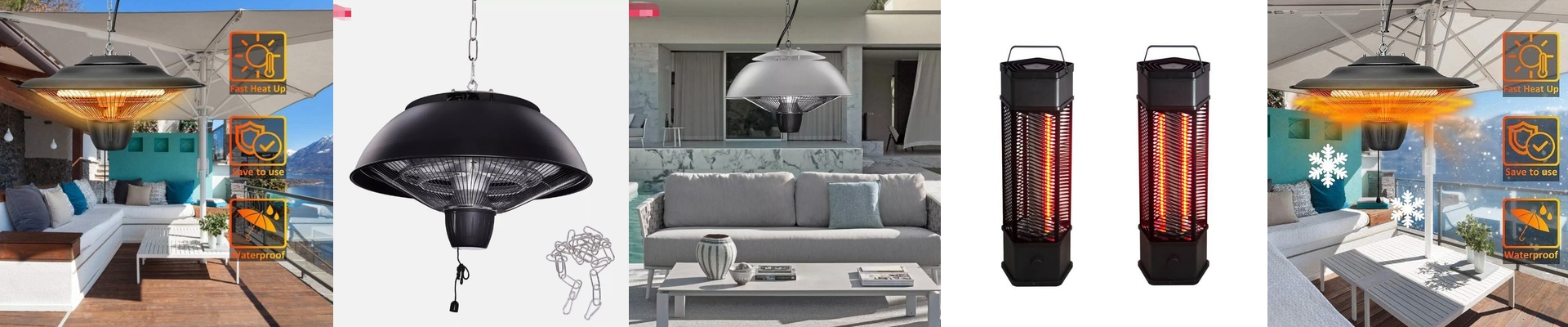
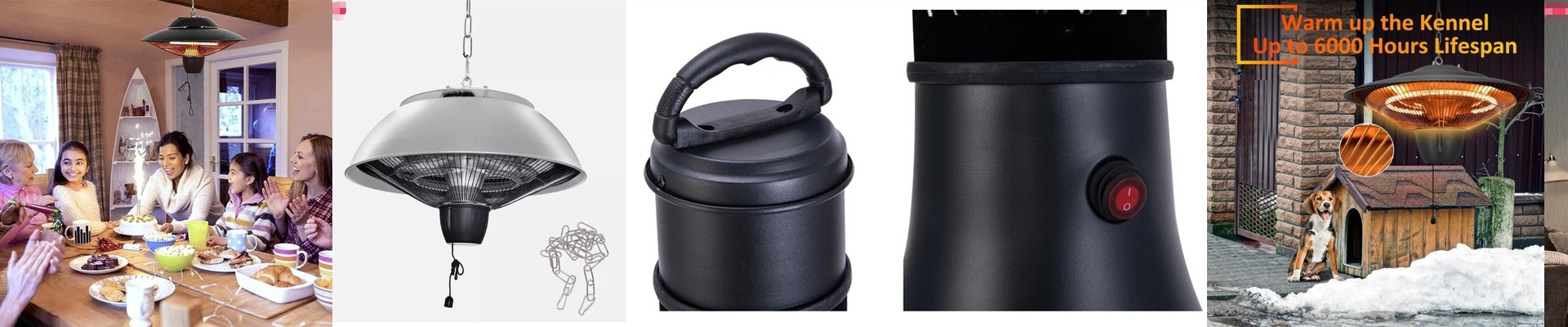
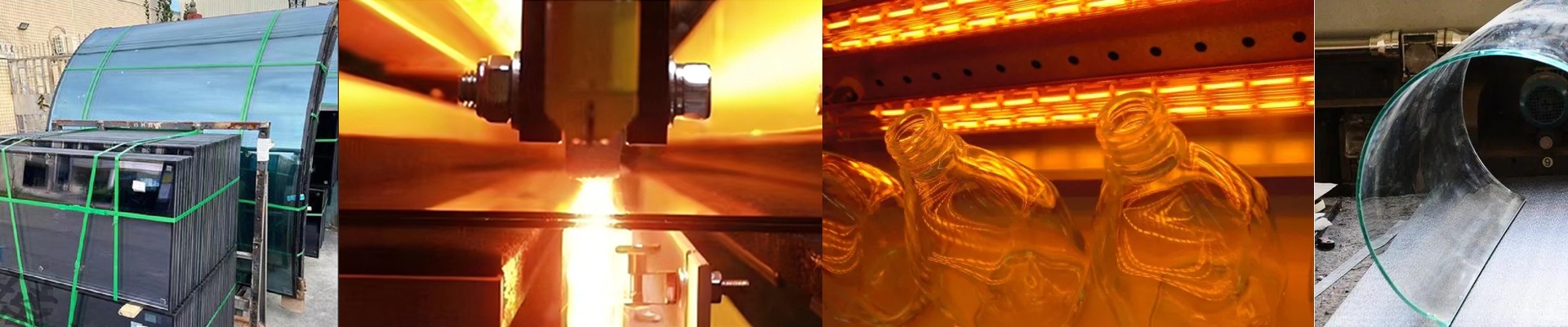
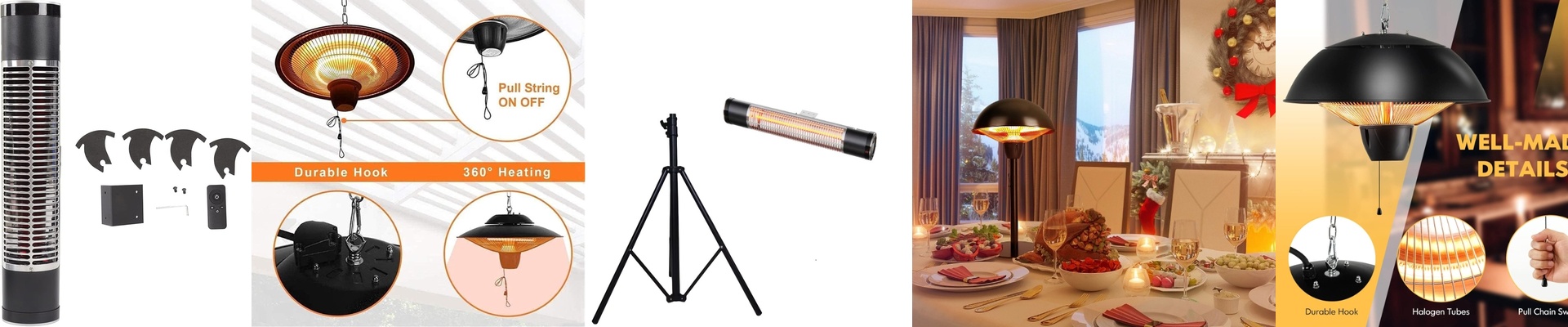
Why Most Outdoor Heaters Die (And How We Fixed Ours)
If you’ve ever run a patio or a bar, you know the deal. The outdoors is basically a war zone for electronics. Between the salt air, the random rain showers, and those wild temperature swings, most heating elements just can’t keep up. They corrode, they flicker, and then they just quit. We got tired of seeing heaters burn out way too early, so we looked at the two biggest killers: fog and water.
The Battle Against the Fog
Here is the thing about infrared lamps. When they get scorching hot and then suddenly click off, they cool down fast. That rapid change creates a dew point right on the quartz tube. Water clings to the glass. Then the minerals in that water build up. Before you know it, the tube looks cloudy, and you aren’t getting nearly as much heat as you should. Even worse, those little moisture pockets can create “hot spots” that actually crack the glass. We solved this by giving the quartz a special surface treatment and redesigning the housing to actually breathe. It lets the air flow through and clears that condensation out fast. No fog, no cracks, just steady heat.
Keeping the Water Out
Water and electricity? Not a great mix. Usually, rain or a stray splash from a cleaning crew finds its way into the wiring terminals, and pop—you’ve got a short circuit. We didn’t just add a few screws. We beefed up the seals and gaskets at every single joint. We paid extra attention to the spot where the lamp holder meets the chassis. Instead of letting water pool or seep in, our design just shunts the liquid away from the electrical guts of the machine.
The Trade-off
I’ll be honest with you: this makes the units a bit heavier. It also costs a little more upfront. You’ll want to make sure your mounting brackets are bolted into something sturdy that can handle the extra weight. But here is why it’s worth it. You stop playing the “replace the lamp every season” game. It’s the difference between buying a cheap heater every year and buying one that actually lasts.