Stop Just Swapping Lamps: Let’s Talk About Your Thermal Profile
Anyone can sell you a replacement lamp. That’s the easy part. But getting the heat to spread evenly across a piece of spectacle glass? That’s where things usually go sideways. We don’t just ship you a tube and wish you luck. We want to figure out why your lenses are cracking or why the cooling is patchy, because a new bulb won’t fix a bad setup.
The Trick to Shortwave IR
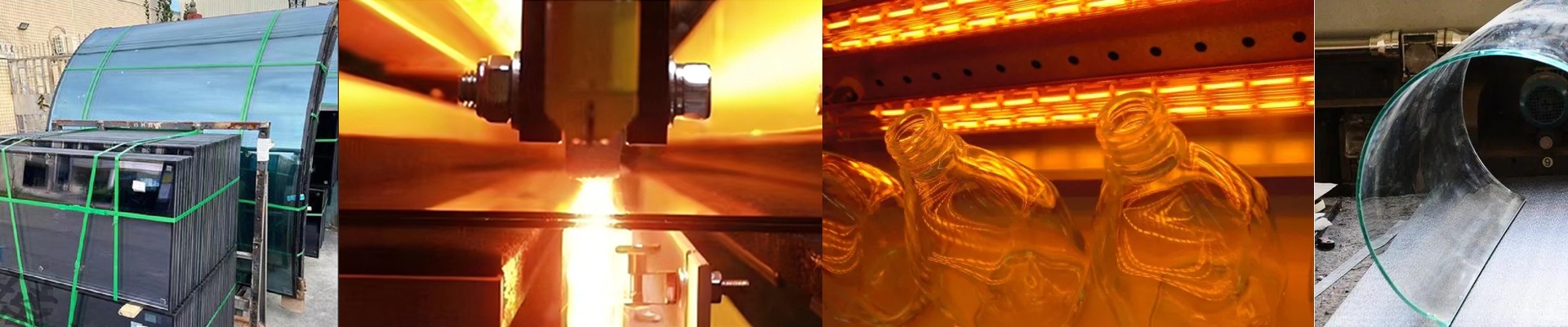
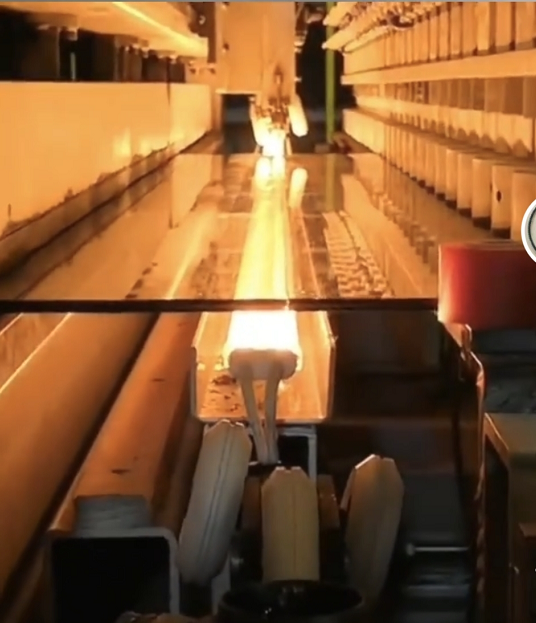
When you’re annealing spectacle glass, you’re walking a tightrope. You need to get rid of internal stress, but if you mess up the temperature, you warp the optical geometry. That’s why we lean on high-density quartz halogen lamps. They hit the glass with radiant heat instantly. It’s a completely different beast than a convection oven, which just pushes hot air around. Here, we’re targeting the glass directly. But there’s a catch. We have to obsess over the wattage-per-centimeter ratio. Sure, a high-wattage tube gets the job done fast, but if that heat is too concentrated, you get “hot spots.” And hot spots lead to warped lenses. Not a great look.
The Nitty-Gritty on Hardware
We usually go with R7s or Sk15 connectors. They aren’t fancy, but they’re sturdy. They can handle the physical expansion that happens when the lamp cranks up to operating temperature without popping out or failing. Then there’s the quartz envelope. We use high-purity quartz because impurities block the IR transmission. Sometimes, we use coated quartz to bounce the heat back toward the glass. It makes the whole process more efficient, but it also makes the lamp run much hotter. If you go this route, make sure your housing has plenty of airflow. Otherwise, you’ll just burn out your sockets.
Fixing the “Real World” Problems
Most of the time, engineers call us because they’ve found “cold spots” in their annealing tunnel. Here’s the thing: it’s almost never a broken lamp. It’s usually just a spacing issue. We look at how your heating array is laid out and how far it sits from the glass. If they’re too far apart, you’re wasting energy. Too close? You risk thermal shock. We’re here to help you fix the layout, not just sell you a drop-in replacement.