
Stop Wasting Power on Your Glass Annealing
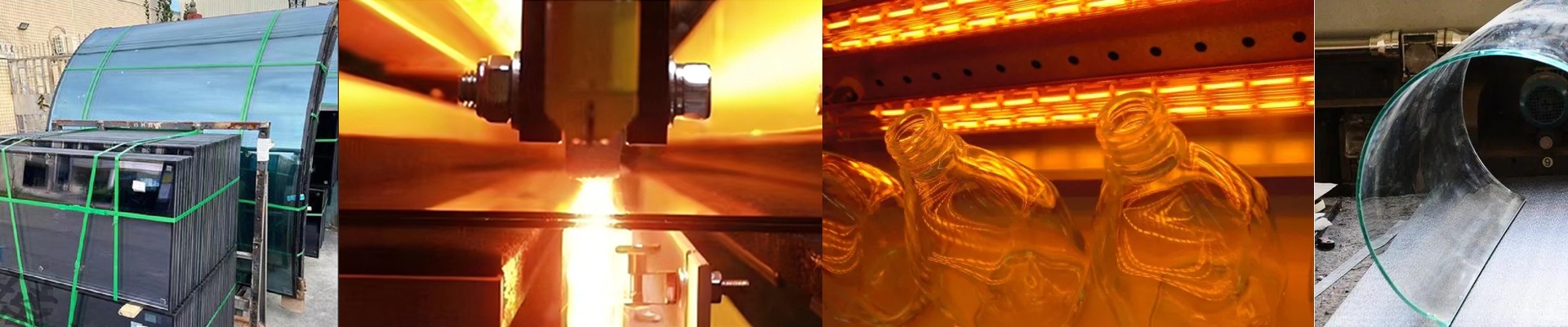
Let’s be honest: annealing is usually the biggest power hog in the entire shop. If you’re using old-school resistive heaters, you’re basically paying to heat up the air and the oven walls before the glass even feels a thing. It’s a waste. We do things differently with shortwave infrared (IR) lamps. Instead of heating the room, IR radiation goes straight into the glass molecules. It skips the middleman. Getting the heat where it belongs To hit that annealing point fast, you need heat that’s concentrated. We build our lamps to pack a lot of wattage into a small space. We also use high-voltage setups. Why? Because it lets us keep the current draw low while keeping the heat high. It means you can use thinner wiring and you won’t deal with that annoying voltage drop when you’re running long oven banks. Just a heads-up: if you’re running high-wattage tubes, double-check your cooling fans. If they aren’t up to the task, you’ll fry your sockets. The guts of the lamp We use high-purity quartz and halogen cycles. This keeps the filament from evaporating, which means the lamps actually last. Some of our units have special coatings that tweak the light spectrum. This is the secret sauce—it makes sure the wavelength matches exactly what the glass wants to absorb. Less heat bounces off the surface; more goes deep into the material. And we use standard R7s or Sk15 connectors, so you can just wire them in. No weird custom adapters needed. What this actually does for your floor The biggest difference? Your warm-up time goes from hours to minutes. You stop paying for “idle heat” while you wait for the oven to get ready. Because the response is almost instant, your PID controllers can keep the temperature window tight. That means fewer pieces cracking from thermal shock and way less scrap in the bin. If your power supply matches the lamp voltage, these are pretty much a drop-in replacement for your old heating banks. It’s just a simpler, faster way to work.