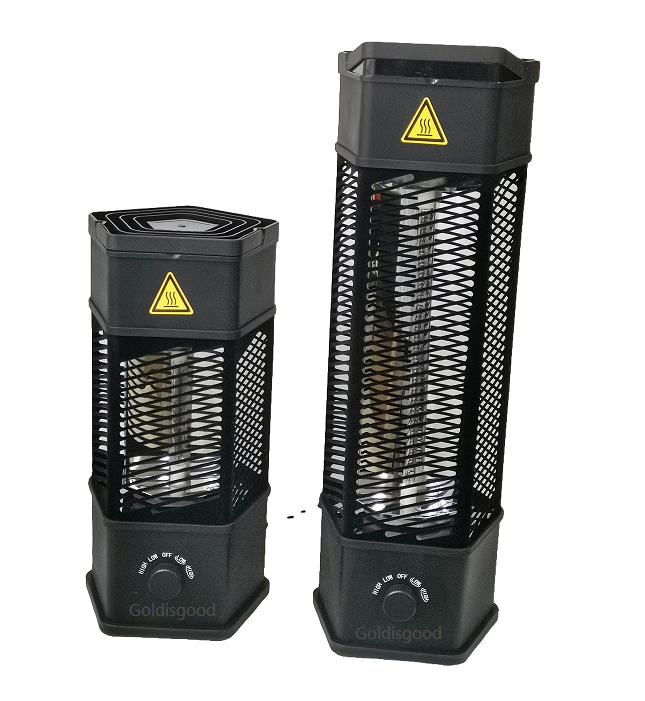
Stop Throwing Away Your Garden Heaters
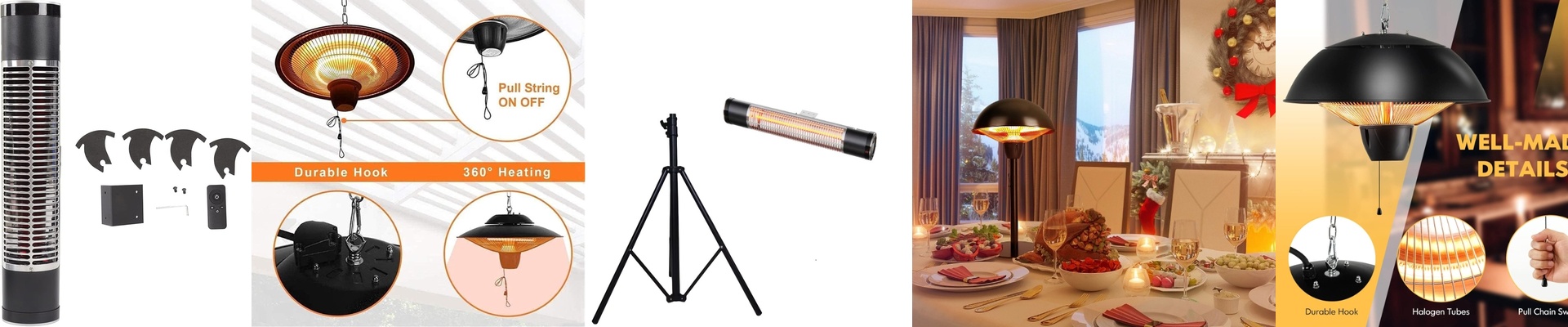
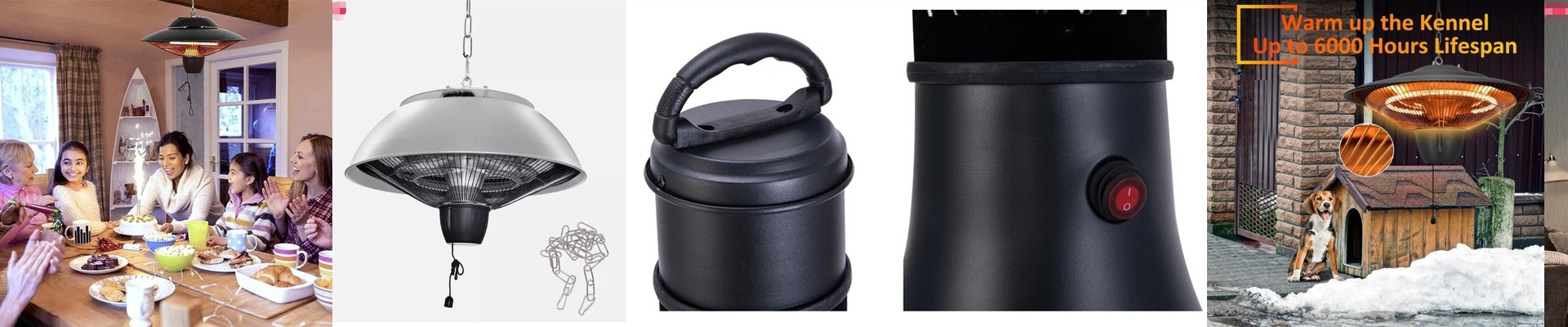
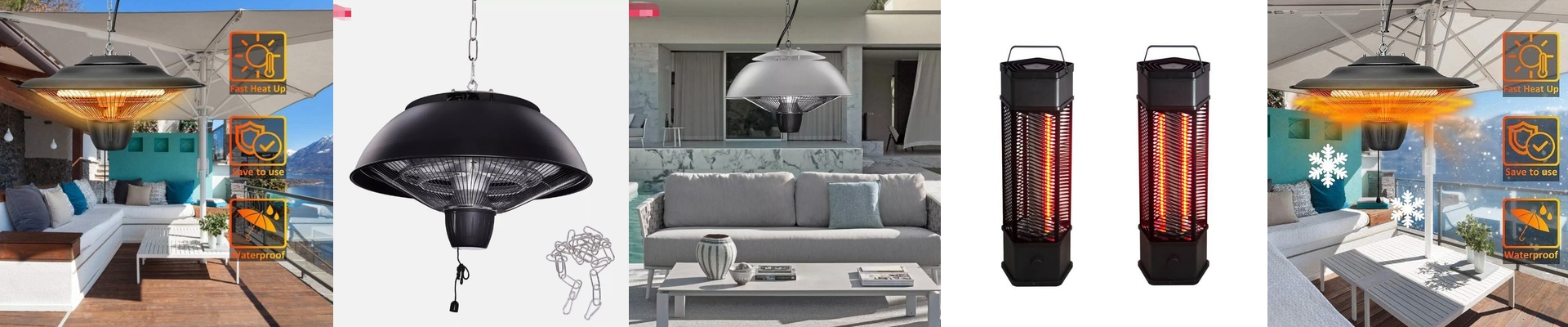
Most outdoor heaters are basically disposable. They’re built as these sealed-up blocks, and that’s a problem. After a few years of salt air and freezing winters, a heating element eventually burns out. Because the tubes are usually welded shut or buried deep inside the frame, you can’t fix it. You just toss the whole thing in the scrap heap. We thought that was ridiculous. So we changed how we build our IP65 infrared modules.
The “Plug and Play” Approach
We ditched the permanent soldering and went with a modular system. Now, we use quick-connect terminals. Think of it like swapping a battery. If a tube dies, you don’t have to spend your entire Saturday tearing the machine apart. You just pop the grill, unplug the dead module, and slide in a new one. It takes minutes, not hours. It’s a relief, honestly.
Keeping the Water Out
Now, here’s the tricky part: keeping things waterproof (IP65) while making them easy to open. Usually, those two things don’t go together. To make it work, we used compression gaskets and reinforced seals around the module interfaces. It keeps the dust and rain away from the electrics, but you don’t need a power drill just to get inside. You get the protection of a sealed box without the frustration of a permanent weld.
A Few Trade-offs
Being honest, modular designs have more connection points than a single piece of welded metal. In a high-vibration environment, that could be a risk. But for a garden heater? It doesn’t move. The vibration is basically zero, so the modular route is a no-brainer. Just one heads-up: make sure your replacement tubes match the original wattage. If you try to force a higher-wattage tube into a module that isn’t built for that heat, you’ll bake the gaskets and ruin the seal. We’re building these to last. Five years from now, you shouldn’t be shopping for a new heater. You should just be swapping a tube.