Stop Messing Around With Individual IR Tubes
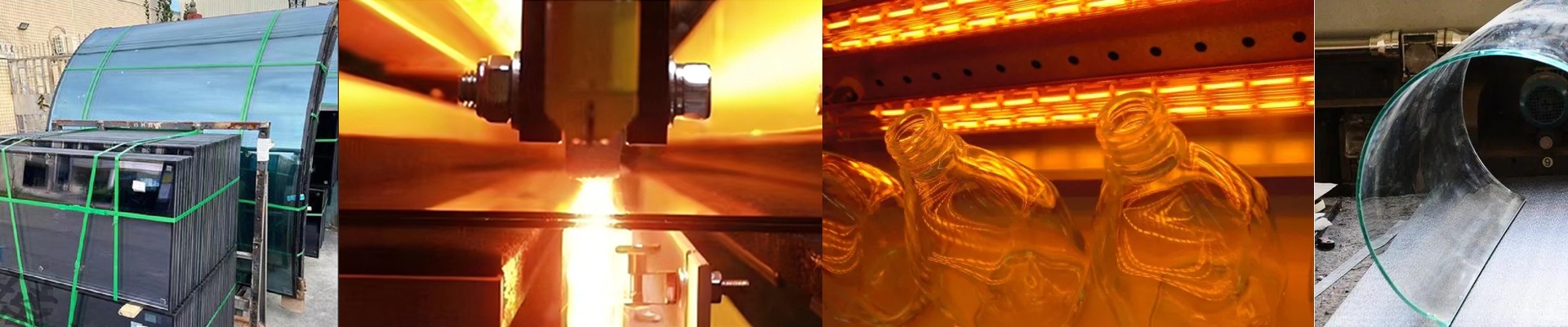
Most glass inspection lines start the same way: you buy a few basic infrared lamps, wire them up, and just hope the heat hits the right spots. It’s a gamble. The problem is that bottles aren’t flat. When you’re trying to heat a curve or a very specific zone, straight tubes just leave gaps. You end up with cold spots and inconsistent results. That’s why we stopped thinking about “lamps” and started building curved heating modules. Less tinkering, more running If you buy a single lamp, your team has to do everything. Mounting, wiring, shielding—it’s a slog. It takes forever and there are a million places to mess up. We do the hard part for you. We bend the IR elements and lock them into a chassis before they even leave our shop. You just drop the module into your line and you’re done. No more obsessing over whether the lamp is aligned perfectly. You can actually get back to focusing on your cycle times. A quick word on the heat Here’s the thing about heat density: it’s a balancing act. If you’ve got a fast line, you need high-wattage shortwave IR to get that temperature up quickly. But there’s a catch. Pushing that much power through a curved module makes the housing get hot. Just make sure your cooling fans or water jackets can keep up. If you ignore the ambient heat, you’re going to fry your connectors, and nobody wants to deal with that on a Tuesday morning. Cutting out the guesswork The best part? You stop playing the guessing game. Instead of spending hours calibrating ten different lamps, you install one module and walk away. We handle the bending radius and the electrical load balancing on our end. It takes up less space on your floor and kills the risk of manual installation errors. You get a steady, consistent heat profile across the whole curve of the container. It’s the only real way to get reliable inspection results without accidentally overheating the glass.