Why We Build Our Pergola Heaters Differently
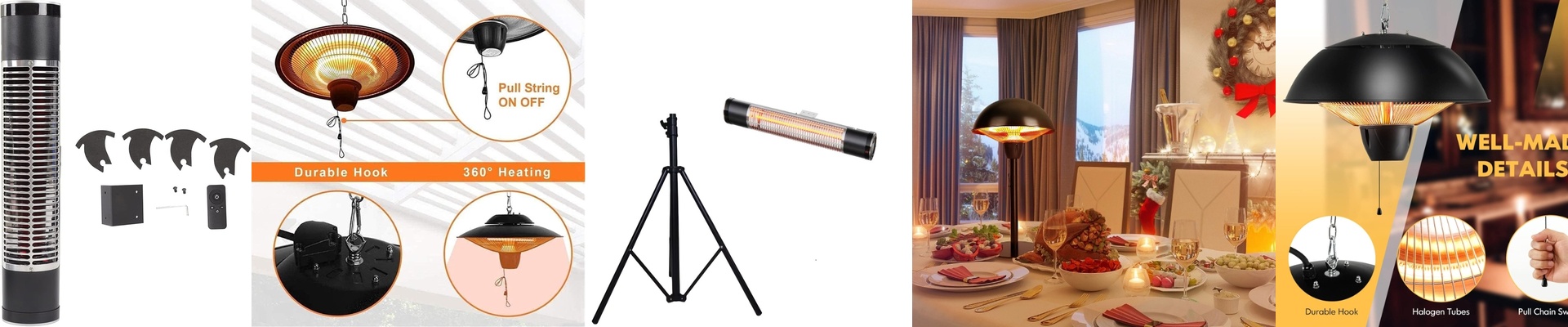
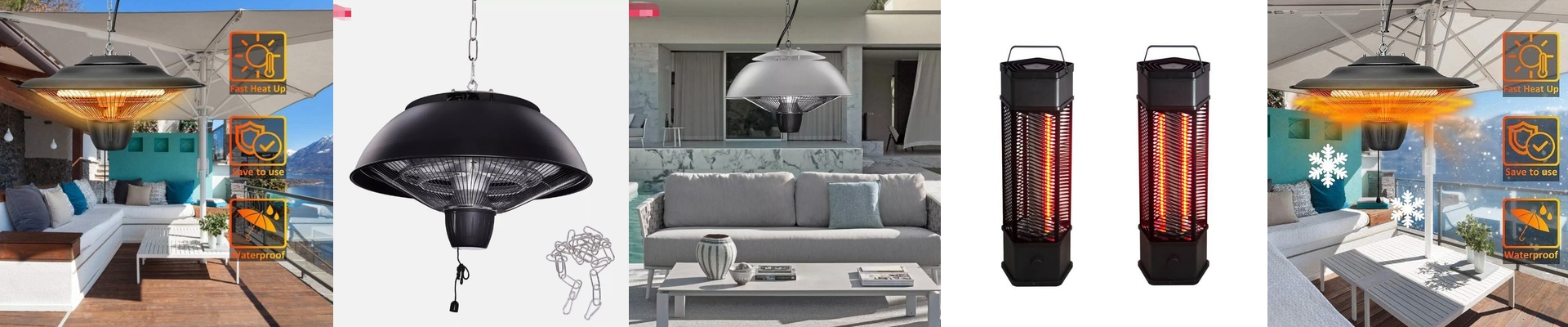
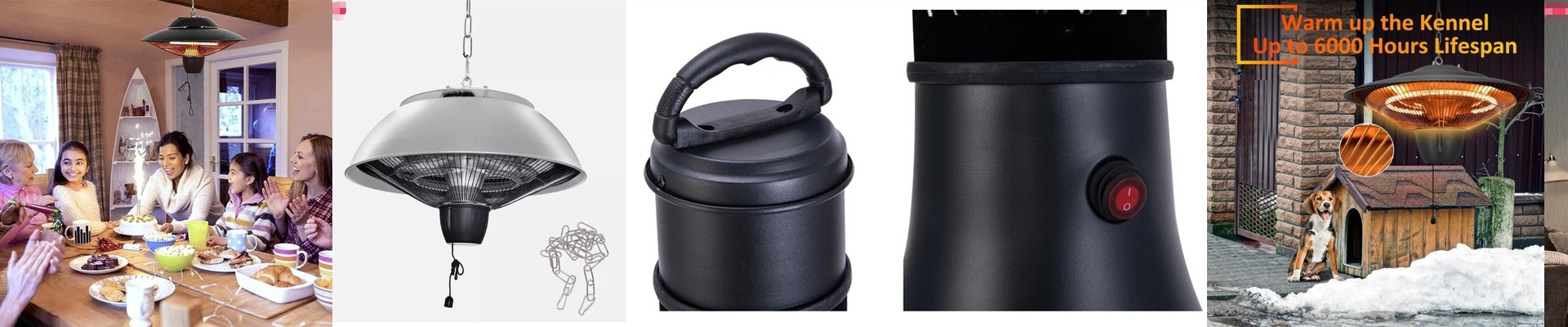
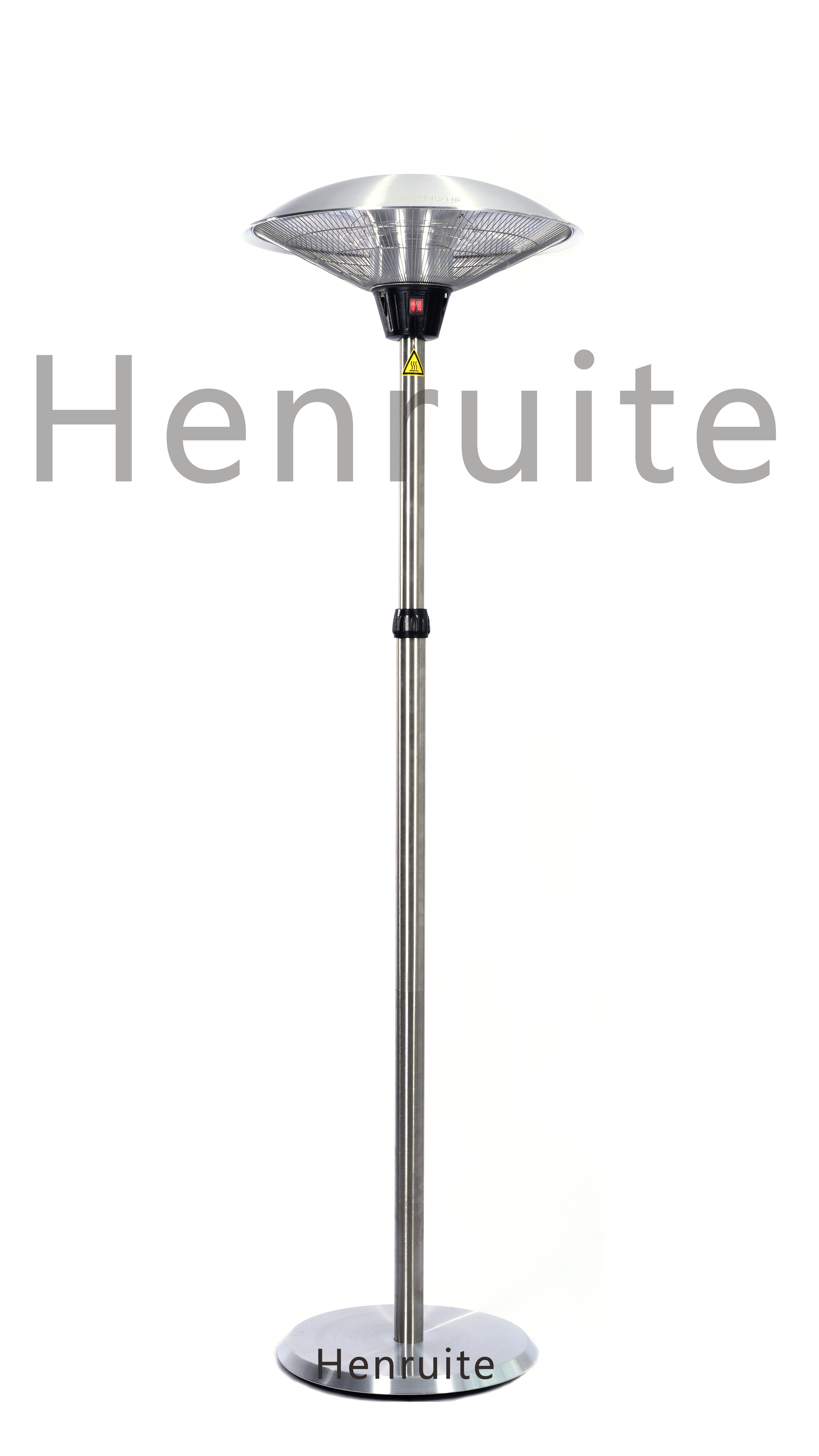
If you’ve ever put a heater in a pergola, you know the struggle. It’s a constant fight against rain, dust, and just general outdoor grime. Now, making a heater waterproof is one thing—any decent engineer can do that. But the real headache starts five years later when a heating element finally gives out. That’s where most companies get it wrong. Usually, these things are welded together in one big chunk. If one tube pops, the whole unit is basically trash. You’re staring at a pricey piece of scrap metal. We decided to do something different. We built a modular chassis. Think of it like a set of cassettes. The heating elements sit in their own little pods that just snap into the main waterproof shell. If a lamp goes out, you don’t have to tear down the whole mounting system or spend your afternoon swearing at a manual. You just pop the module out, swap the tube, and drop it back in. It takes minutes. Not hours. Of course, you still need the technical stuff to be airtight. We use silicone gaskets and sealed cable entries because, well, water is stubborn. For the heat itself, we use short-wave quartz. It doesn’t waste time trying to warm up the wind; it hits you instantly. One quick tip: these units pack a lot of power to fight off that biting wind chill. But that means your wiring has to be up to the task. If you use thin wires, you’ll get a voltage drop, and your heater will feel like a lukewarm lightbulb instead of a furnace.Don’t skimp on the gauge. At the end of the day, nothing lasts forever. Quartz tubes eventually wear out. It’s just physics. By keeping everything modular, we’ve killed the need for onsite soldering or nightmare rewiring jobs. It’s basically plug-and-play. You just hook the new module into the existing block and you’re back in business. It means your maintenance person doesn’t need to be a master electrician to keep the patio warm. They just need a few minutes and a replacement part. Simple.