


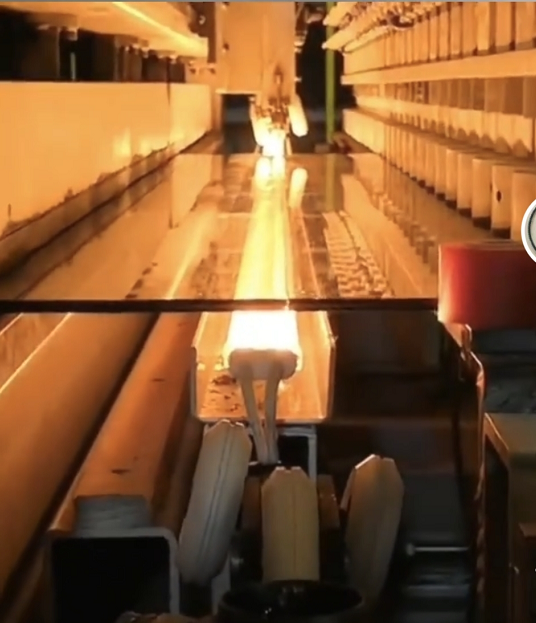
Fitting High-Power IR Lamps Into Mobile Glass Kits
When you’re trying to squeeze a glass annealing lamp into a mobile repair bracket, you’re basically fighting for every single millimeter. It’s a different world than working with a stationary furnace. You don’t have the luxury of giant power supplies or massive heat sinks taking up half the room. You’re working in a tight spot. To make it work, we had to stop thinking about “big heat” and start focusing on heat density. The power struggle Here’s the thing: mobile setups usually have limited onboard power. If you want to hit the temperatures needed to anneal glass without lugging around a massive transformer, you’ve got to be smart. We use shortwave infrared (SWIR) elements. These lamps pack a ton of energy into a tiny physical space. By tightening the dimensions and dialing in the wattage-to-length ratio, we managed to cram industrial-grade heat into something you can actually hold or mount on a bracket. It gives you that thermal punch you need to soften the glass, but without the bulk. Why it doesn’t just burn out Since mobile repair means clicking that switch on and off all day, a standard bulb wouldn’t last a week. We went with quartz-halogen tech. The halogen cycle keeps the tungsten filament from evaporating too fast, which means the lamp actually lasts. Plus, these things ramp up fast. Really fast. Your glass hits annealing temperature in seconds, not minutes. That’s a huge win for your workflow. The catch (and how to fix it) Now, there’s a trade-off. When you pack that much heat into a tiny footprint, you deal with “heat soak.” Because the lamp is tucked into a tight bracket, the housing takes a beating. You can’t just wire this up and walk away. If you don’t have proper ventilation or some solid heat-resistant shielding, the lamp’s own heat will start melting your mounting hardware or frying your electronics. If the cooling isn’t right for the environment, the lamp is going to overheat and die. Simple as that. Get the airflow right, and you’re golden.