


Getting the Heat Right for Mobile Glass Annealing
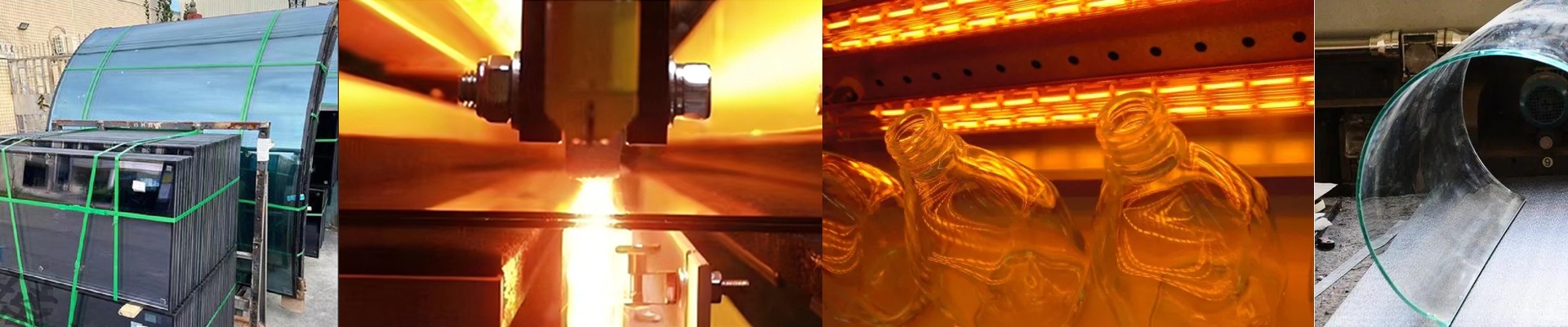
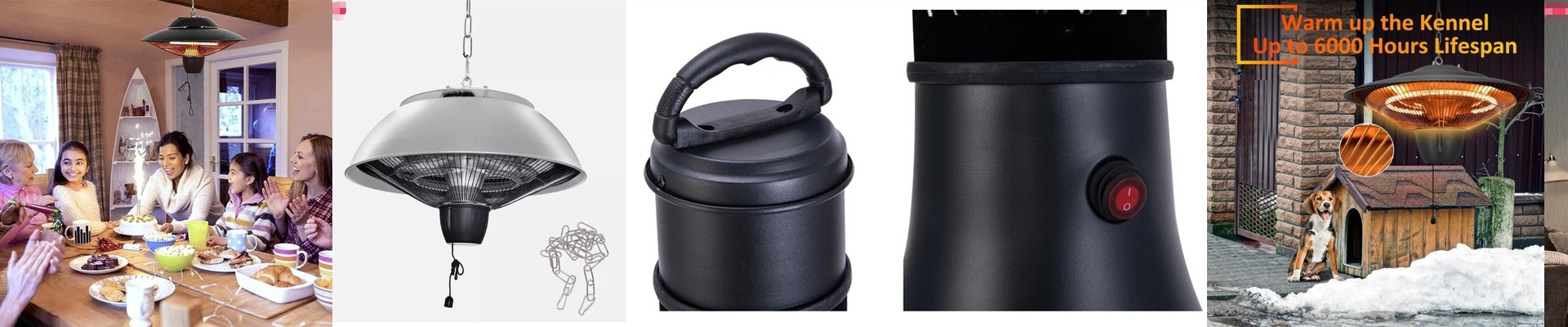
Trying to cram an industrial-grade annealing setup into a mobile repair bracket is a nightmare. You’re fighting for every single millimeter of space and every single volt of power. You can’t just shrink a factory oven and hope for the best. To make it work, you have to pack a ton of heat into a tiny area to get that glass up to temperature without the rig becoming a giant eyesore. Dealing with power and space Most mobile rigs are held back by portable power supplies. To get around this, we use short-wave infrared (SWIR) quartz lamps. These are great because they actually penetrate deep into the glass. Since they’re so efficient, we can use shorter tubes. This keeps the whole footprint small but still gives you enough thermal energy to relieve the stress in the glass. We use lamps with high-wattage density filaments. Basically, we’re squeezing more power into a smaller quartz tube so you hit your target temperature way faster. But here’s the catch: these little powerhouses get incredibly hot. If you don’t vent your housing or use a proper heat shield, you’re going to fry your electronics. Choosing the right parts We go with halogen-filled quartz tubes because they ramp up almost instantly. For the electrical side, we stick to standard connectors like R7s or Sk15. Why? Because when a lamp eventually blows, you want to be able to swap it out in seconds. You don’t want to spend your afternoon rewiring the entire rig. To make things even more efficient, we often add a selective coating to the quartz. This tweaks the light spectrum so it matches the glass perfectly. Instead of wasting energy heating up the air around the part, the heat goes straight into the workpiece. A few tips for the build When you’re wiring this thing up, do yourself a favor: use high-temperature silicone lead wires. If you use standard PVC, it’ll melt the first time you flip the switch. And since these compact units run so hot, I highly recommend a PID controller paired with a fast-response thermocouple. It keeps everything stable. Without it, you risk overshooting the temperature, and that’s how you end up with cracked glass during the cooling phase.