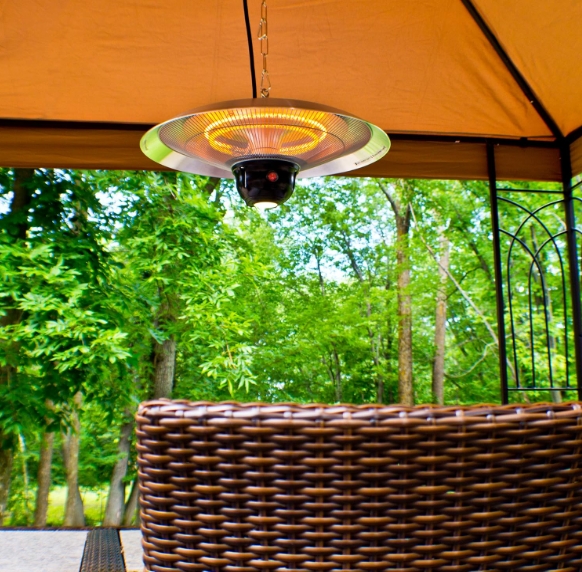
What’s Really Behind Commercial Bathroom Radiant Heat
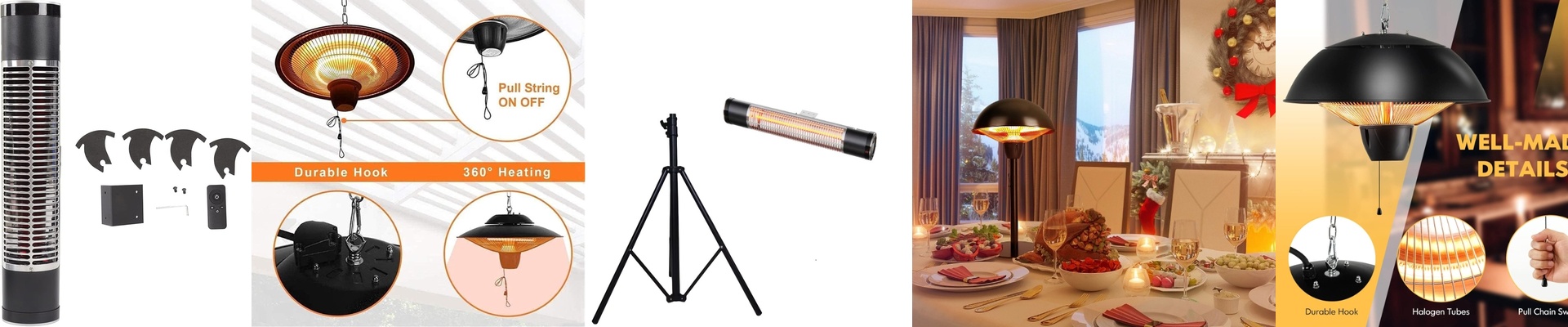
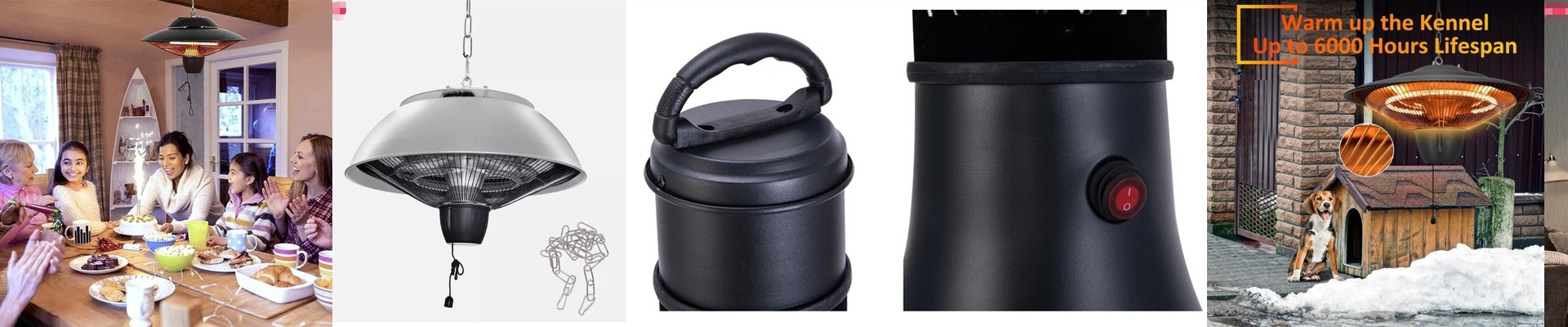
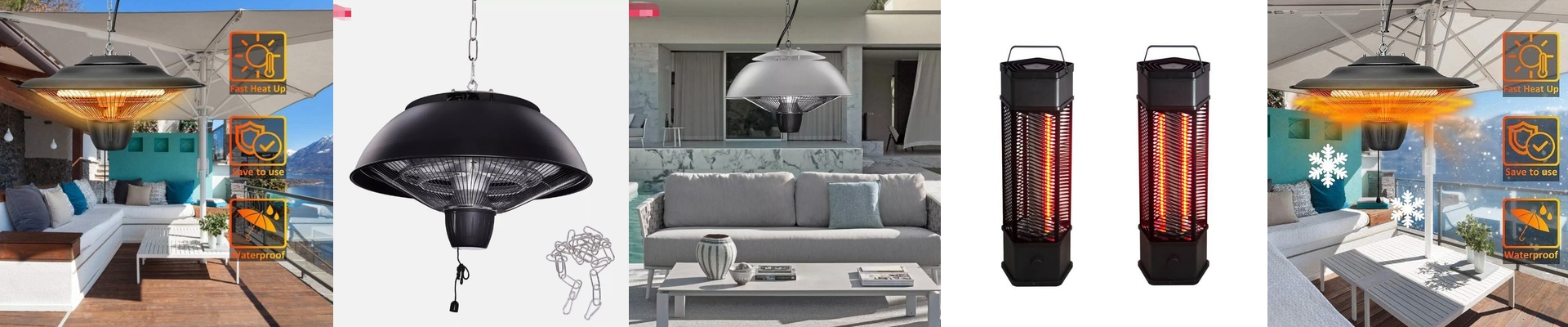
Commercial bathroom infrared heaters aren’t just bulbs. They’re built systems, designed to throw out fast, focused warmth in places that get hammered by moisture and wild temperature swings. We build these to live in high-traffic washrooms—places where failure isn’t just annoying, it can shut things down. At the heart of it all is a pretty straightforward idea: the lamp has to survive the room it’s in.
Why We Burn Them Before You Install Them
Here’s the thing about bathrooms: they’re basically a permanent sauna. So we run every unit through serious damp-heat aging tests. No checklists. No shortcuts. We cook them for hundreds of hours in a chamber that mimics 95% humidity at high heat. We’re trying to break them before they ever leave our shop. This exposes weak spots in the quartz envelope and the filament support that standard lab tests miss. So when you put our heater in, it’s already proven it can handle the steam and heat—day after day, after day.
The Materials That Make It Tough
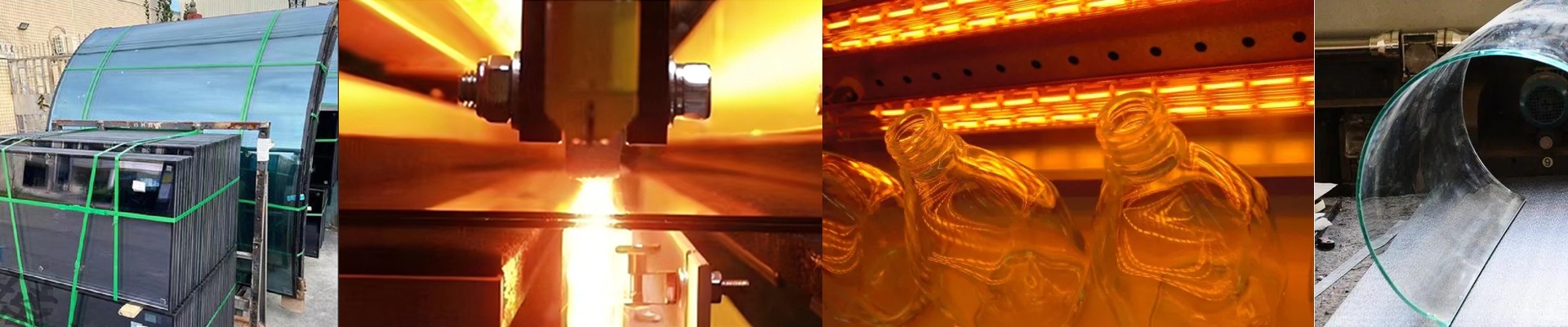
The quartz glass in our infrared lamps is chosen specifically for one reason: it can handle rapid temperature shock. That means it can go from cold to full output fast—without cracking. Inside, the halogen cycle keeps the filament strong, so you don’t get that blackening that kills cheaper lamps. But—and this matters—high output means serious heat. The fixture’s wiring and housing have to be rated for sustained high temperatures. Make sure your installation matches the lamp’s thermal output.
Surviving the Real Bathroom Battlefield
In a commercial bathroom, moisture is the enemy. It gets everywhere. Our aging tests prove the lamp’s seals and connections stay watertight and corrosion-free. That means reliable ignition and steady heat, even after years of steam. We know a failure here isn’t a small inconvenience. It can stop a facility. So we push performance to the limit up front, so you don’t have to deal with downtime and service calls.
This Isn’t Theater. It’s How We Keep Our Promise.
We don’t test for show. We test because it’s practical engineering. We put the unit through hell on the bench so it doesn’t have to in your building. When you wire it up, it performs the way it should—every time. That’s how trust gets earned. That’s how reliability gets real.
The Trade-Off You Should Know
A commercial infrared heater gives you fast, focused heat—but it runs hot. So plan the install accordingly. The fixture needs to be rated for the thermal load, and the power supply needs proper insulation and protection from ambient heat. We give you the data. You make the call.