


Why Your IR Tubes Are Probably Ruining Your Glass
Ever feel like you’re fighting your oven? You’ve got the controllers dialed in, but you’re still seeing internal stress or random breakage across a batch. It’s frustrating. You spend hours tweaking the settings, only for the next load to come out wonky. Here’s the thing: the problem usually isn’t your controller. It’s the tubes.
The “Hidden” Power Gap
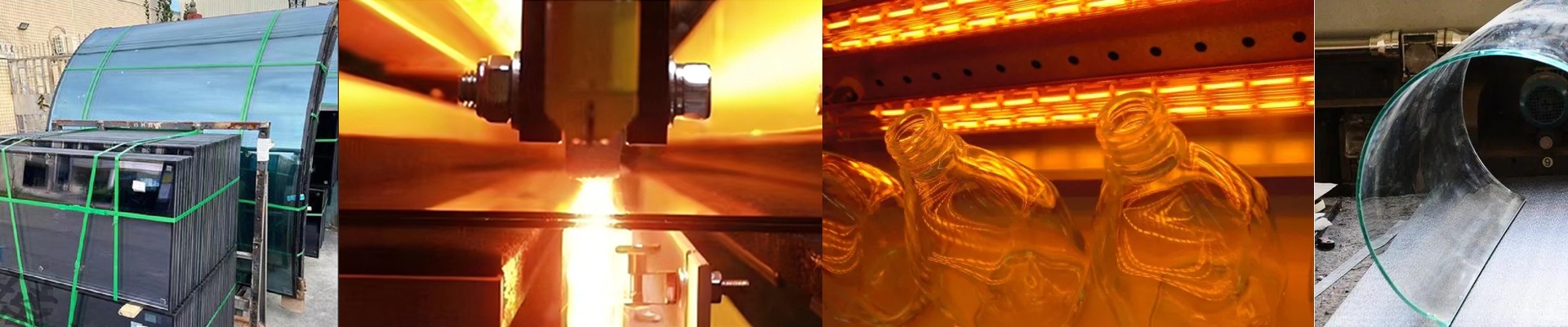
Most standard IR lamps come with a power tolerance of ±5% or even 10%. That sounds small on a spec sheet, but in a big annealing lehr, it’s a nightmare. You end up with two tubes that look exactly the same, but one is pushing way more heat than the other. That creates “hot spots.” When your heat isn’t perfectly even, your glass pays the price. We fix this by tightening those wattage tolerances. When every single tube is pulling the same weight, the hot spots disappear.
Stop Chasing Your Tail
Then there’s the quartz. If the envelope warps because it’s low-quality, your focal point shifts. Suddenly, your heat profile is all over the place. It’s even worse when lamps start to “drift” as they age. If you find yourself messing with your PID settings every few weeks just to keep things stable, your lamps are failing you. High-purity quartz stays put. It keeps the same emissivity for thousands of hours, so you can actually trust your settings and stop babysitting the machine.
A Quick Word of Warning
There is a catch. These high-consistency tubes are powerful and focused. That’s great for the glass, but it’s a bit tougher on your hardware. If your wiring is old or your insulation is shot, you can’t just swap the tubes and call it a day. You need a clean electrical footprint. Even a tiny 2% drop in line voltage can wipe out all the gains you get from the better tubes. If you want consistent glass, you need a consistent heat source. Stop fighting the oven and just fix the lamps.